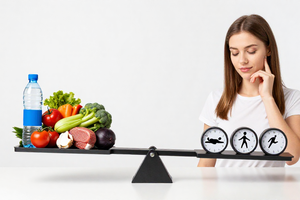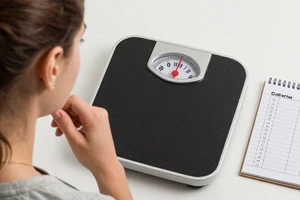
You’ve been diligent. The scale was moving, your clothes were fitting better, and then… it stopped. A weight loss stall can feel incredibly frustrating, like hitting an invisible wall after all your hard work. While it’s a normal part of the journey, it’s also a signal that your body may need a slight nudge in a new direction.
Often, the most effective way to jumpstart progress isn’t a drastic overhaul, but a series of smart, sustainable tweaks. By focusing on strategic food swaps, you can subtly improve nutrient density, manage hunger, and support your metabolism without feeling deprived. Here are five targeted swaps designed to help you move past the plateau.
Swap Sugary Drinks for Infused Water or Herbal Tea
Liquid calories, especially from sugar-sweetened beverages, can add up quickly without contributing to satiety. They provide a rapid influx of energy that your body may preferentially store. Replacing them is one of the most straightforward ways to reduce empty calories.
Instead of reaching for soda, sweetened coffee drinks, or even many fruit juices, try carrying a bottle of water infused with slices of citrus, cucumber, or fresh mint. Herbal teas, served hot or iced, offer satisfying flavor without the sugar spike. This simple swap supports hydration, which is crucial for metabolic processes, and eliminates a stealth source of calories that might be hindering your deficit.
Your taste buds adapt quickly. After a week or two, you may find sugary drinks taste overly sweet, and you’ll crave them less.
Swap Refined Grains for Whole Grains
This isn’t about eliminating carbohydrates, but about upgrading their quality. Refined grains like white bread, white rice, and regular pasta have been stripped of their fiber and many nutrients during processing. This means they digest quickly, leading to sharper rises and falls in blood sugar that can trigger hunger and cravings.
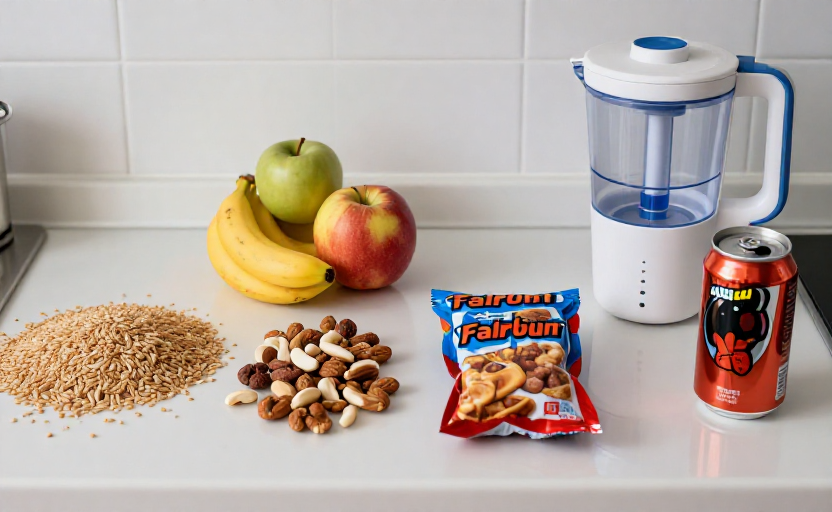
Whole grains—such as quinoa, brown rice, oats, barley, and whole-wheat bread—retain their fiber. This fiber slows digestion, helps you feel fuller longer, and provides a steadier release of energy. The goal is consistency, not perfection. Start by swapping your usual side of white rice for quinoa or choosing whole-grain bread for your sandwich.
Swap Processed Snacks for Whole-Food Combos
When hunger strikes between meals, it’s easy to grab a bag of chips or a packaged bar. These are often engineered for hyper-palatability, making it easy to overconsume calories, salt, and added sugars. A more satisfying approach pairs a protein or healthy fat with fiber.
Think of combinations like an apple with a tablespoon of almond butter, a handful of carrots with hummus, a small cup of plain Greek yogurt with berries, or a hard-boiled egg. These snacks provide a balance of nutrients that truly curb hunger and prevent the energy crash that can follow a processed snack, making it easier to stick to your goals at your next meal.
Swap Some Red Meat for Plant-Based Proteins
While lean red meat can be part of a healthy diet, diversifying your protein sources can introduce a wider array of nutrients and often a healthier fat profile. Many plant-based proteins are rich in fiber and phytonutrients, which support overall health and satiety.
Try incorporating lentils into a soup or chili, using black beans as a taco filling, or adding chickpeas to a salad. Even swapping one or two meat-centric meals per week for a plant-based option can make a difference. This isn’t about going fully vegetarian unless you choose to; it’s about adding more variety and nutrient density to your plate.
Swap High-Calorie Condiments for Flavorful Alternatives
Salad dressings, creamy sauces, ketchup, and barbecue sauce can be hidden sources of sugar, unhealthy fats, and calories that transform a healthy meal. You don’t have to eat bland food—just get creative with your flavorings.
Instead of creamy ranch, try a vinaigrette made with olive oil, vinegar, and mustard. Swap sugary barbecue sauce for a spice rub on grilled chicken. Use mashed avocado or Greek yogurt as a creamy base for dips and spreads instead of mayonnaise or sour cream. Fresh herbs, citrus zest, garlic, ginger, and spices like smoked paprika or cumin add immense flavor for virtually no calories.
Remember, a plateau is a pause, not a permanent stop. These swaps are designed to be integrated gradually, not all at once. Pay attention to how each change makes you feel—more energized, less hungry, more satisfied. That feedback is more valuable than the number on the scale. Consistency with these small, smart choices is what will gently guide your progress forward again.