
Many people overcomplicate the relationship between food and metabolism. They look for a single magic ingredient or a strict elimination plan. In reality, a well-supported metabolism responds best to consistent, smart substitutions—not deprivation. Small daily swaps can shift how your body processes energy, manages blood sugar, and burns fat. Here are five food swaps that directly support a healthy metabolism for weight loss, explained with real-world logic.
1. Swap Sugary Cereal for Oats with Protein
A bowl of sugary cereal spikes blood sugar fast, triggering a surge of insulin. Insulin tells your body to store energy as fat and blocks the release of stored fat. The crash that follows leaves you tired and hungry an hour later.
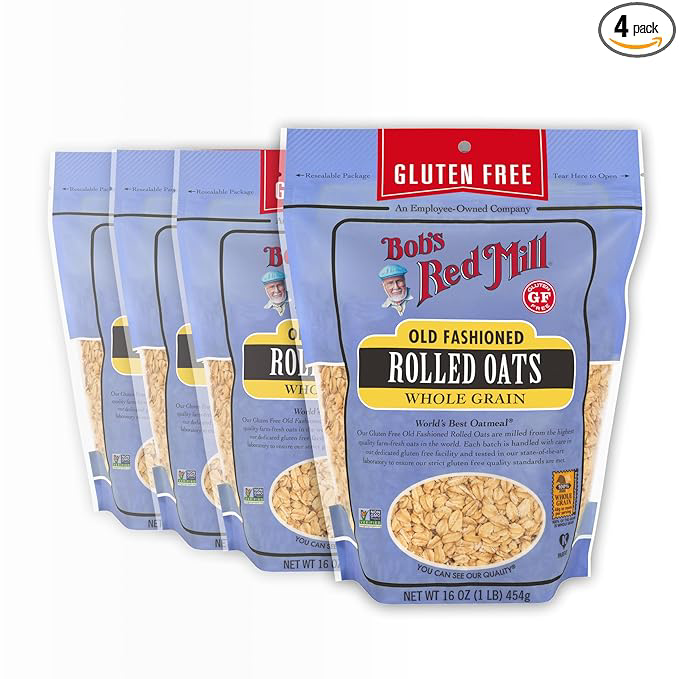
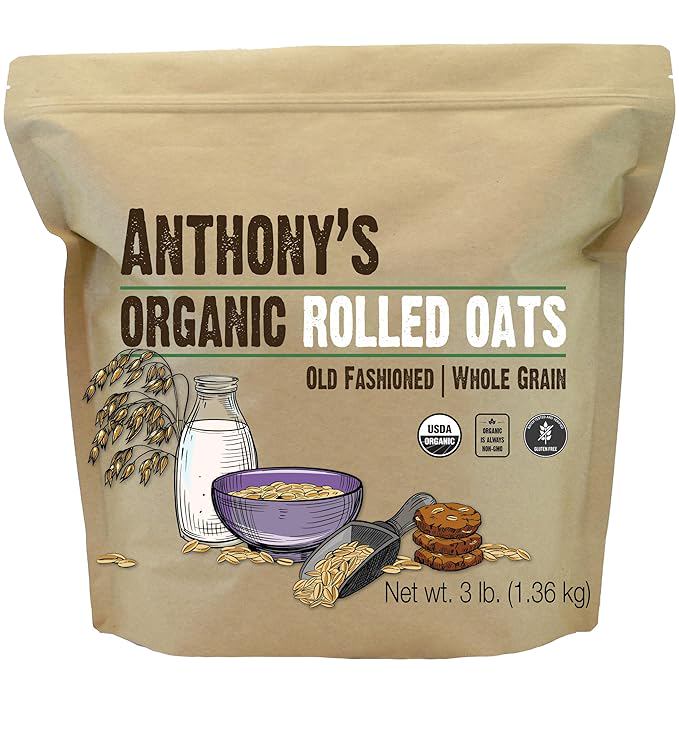
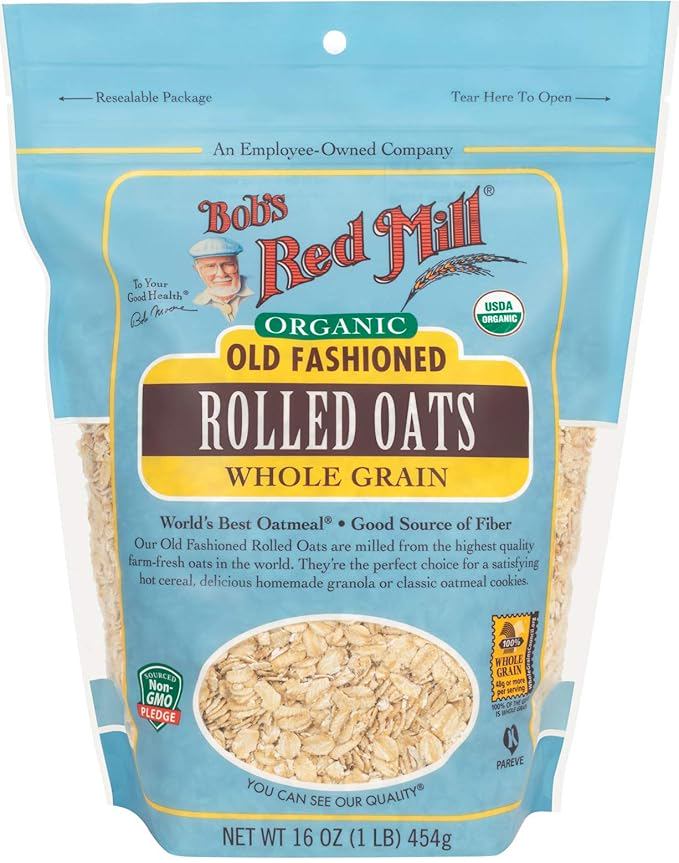
The better move: choose rolled oats or steel-cut oats. Oats provide soluble fiber (beta-glucan), which slows digestion and keeps blood sugar steady. But oats alone can be carb-heavy. Add a scoop of plain Greek yogurt, a spoonful of nut butter, or a handful of chopped almonds. Protein and fiber together blunt the insulin response and keep your body in a fat-burning state longer.
Consistent blood sugar is the foundation of a steady metabolism. Every meal is a chance to avoid a spike.
2. Drink Black Coffee or Plain Green Tea Instead of Sugar-Laden Lattes
A medium flavored latte can carry 30–50 grams of sugar—pretty much your entire day’s added sugar allowance in one drink. Liquid sugar hits your system fast, creates an insulin spike, and provides zero satiety.
The swap: black coffee or unsweetened green tea. Both offer natural compounds that support metabolic rate. Caffeine temporarily increases thermogenesis (calorie burning). Green tea adds catechins, particularly EGCG, which research suggests may modestly enhance fat oxidation during exercise. If you need sweetness, try a dash of cinnamon or a splash of unsweetened almond milk—not the syrup pump.
3. Replace White Bread with Whole Grain or Legume-Based Bread
White bread is a refined carbohydrate. It digests quickly, spikes blood sugar, and offers almost no fiber. That fast digestion means your body burns it rapidly, then runs out of fuel—leading to cravings and overeating later.
The alternative: 100% whole grain bread, sprouted grain bread, or a bread made with chickpea or lentil flour. These options have more fiber, protein, and resistant starch. Resistant starch resists digestion in the small intestine and feeds gut bacteria, which produces short-chain fatty acids that may improve metabolic health. The result is a slower, steadier energy release and reduced fat storage signals.
4. Swap Creamy Dressings for Olive Oil and Vinegar
Bottled creamy dressings are often a hidden source of added sugar, inflammatory seed oils, and empty calories. A couple of tablespoons can add 150–200 calories and up to 6 grams of sugar—before you even eat the salad.
The better dressing: extra-virgin olive oil and balsamic or apple cider vinegar. Olive oil is rich in monounsaturated fats and polyphenols, both linked to improved insulin sensitivity. Vinegar (especially apple cider vinegar) has been shown in studies to blunt post-meal blood sugar spikes by delaying gastric emptying. The combination gives you healthy fats that support hormone function plus a metabolic edge at the same meal.
If you crave creaminess, blend a tablespoon of tahini or plain Greek yogurt into the vinaigrette. That adds protein and healthy fat without the sugar.
5. Fresh Fruit Instead of Dried Fruit or Fruit Juice
Dried fruit and fruit juice concentrate sugar. A cup of orange juice requires three or four oranges, discards the fiber, and delivers sugar as quickly as soda. Dried fruit packs sugar into a tiny volume—easy to overeat without noticing.
The swap: eat the whole fruit. An apple, orange, or a cup of berries provides fiber, water, and volume. The fiber slows the absorption of fruit sugar, preventing insulin spikes. Berries are particularly helpful—they’re low on the glycemic index and rich in anthocyanins, which may protect against metabolic dysfunction. Whole fruit satisfies hunger better than any juice or sugary snack bar.
Metabolism is not a switch you flip; it is a system you support meal by meal. These five swaps focus on the core principles: steady blood sugar, fiber from real foods, healthy fats, and avoiding hidden sugars. None require extreme restriction. They simply replace processed, high-sugar options with foods that work with your body’s natural energy regulation. Over time, these small changes can meaningfully support weight loss without the misery of a crash diet.