
Intermittent fasting is often pitched as a simple setup: eat in a window, fast outside of it, and let the body do the rest. For many people, that structure feels freeing. But for others, the same rules can backfire in a way that feels completely out of control. What starts as a well-intentioned eating schedule can quietly turn into a binge trigger, leaving you feeling stuck in a cycle of restriction and loss of control.
It isn’t about willpower. It’s about how the brain and body respond to prolonged periods of deprivation, followed by the signal that food is finally allowed. If that sounds familiar, here are the five most common mistakes that can turn intermittent fasting into a setup for bingeing — and what to do instead.
1. Pushing the fasting window too far, too fast
A 16-hour fast might work for someone who has gradually built up to it, but jumping straight into a long eating window after years of regular meals can send the body into emergency mode. When fasting hours run long without preparation, hunger hormones like ghrelin spike, blood sugar drops, and the brain starts scanning for high-calorie fuel. By the time the fork hits your mouth, you’re not just hungry — you’re ravenous.
This physiological state makes it incredibly hard to stop at a reasonable portion. The brain interprets the feast as a rare event, storing every calorie as if another famine is coming. The result is a fast followed by a binge, sometimes in less than an hour.
Shortening the fast gradually — starting at 12 hours, then 13, then 14 — gives your hunger regulation system time to adapt.
2. Using the eating window as a free-for-all
Some fasters treat their eating window as a blank check. If you haven’t eaten for 18 hours, it can feel justified to eat whatever you want, in whatever quantity, because you’ve been so good. This all-or-nothing mindset erases the nutritional nuance that makes fasting sustainable.
Filling the window with processed snacks, sugary coffee concoctions, or giant portions of refined carbs floods the system with glucose, triggering a sharp insulin spike. That spike, in turn, drives blood sugar back down rapidly, leaving you hungry again within a couple of hours — often right before the next fast begins. This sets up a vicious loop of restriction, sugar rush, crash, and craving.
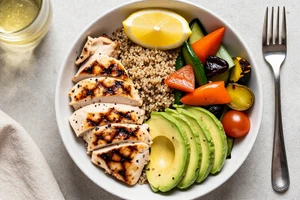
Instead of focusing only on when you eat, pay attention to what lands on the plate during your window. Protein, fiber, and healthy fats help stabilize blood sugar and keep satiety signals intact. A solid meal structure inside the window matters just as much as the empty hours outside it.
3. Ignoring emotional and situational cues
Fasting schedules can override internal hunger cues, but they don’t erase emotional triggers. Many people start fasting hoping to gain discipline, but if the urge to eat is driven by stress, boredom, or loneliness, a rigid schedule won’t fix the root cause. In some cases, it makes things worse.
When the eating window finally opens, the emotions that were suppressed during the fast come rushing in alongside the food. That box of crackers or bag of chips becomes more than fuel — it’s relief. The act of eating, in that moment, is the only permitted escape. This is how a structured fast can morph into a binge: not because you were hungry, but because you were holding something in all day and food was the release valve.
Noticing why you want to eat — not just when — is essential. If fasting becomes a way to avoid feelings rather than nourish your body, it may be time to step back and explore what’s really going on.
4. Under-eating during the feeding window
It sounds counterintuitive, but some fasters restrict themselves even during the eating window. Maybe it’s fear of gaining weight, or a lingering sense that eating is a reward that needs to be earned. Whatever the reason, chronic under-eating within the feeding period puts the body in a low-energy state that eventually rebels.
Your metabolism doesn’t just sit idle. When calorie intake is too low for too long, the body increases hunger signals, decreases energy expenditure, and cranks up cravings — especially for sugar and fat. This biological pushback is not a weakness. It’s survival. And for many people, it eventually breaks the fasting discipline completely, leading to an evening or weekend spent eating well past fullness.
A good rule of thumb is to eat at least your maintenance calories during the feeding window on most days. This doesn’t mean counting every gram, but it does mean never treating the eating window as an extension of the fast. The window is for fuel, not for penance.
5. Relying on fasting without addressing the binge trigger itself
This is the biggest blind spot. Intermittent fasting is an eating pattern, not a treatment for binge eating or disordered eating patterns. If you already have a history of bingeing, restriction-based schedules can actually reinforce the cycle. The structure can feel safe at first, but the hunger-driven rebound can be more intense than the original pattern.
Fasting assumes your relationship with food is neutral. If it isn’t — if you often feel out of control around certain foods, hide eating, or feel shame after meals — the fasting schedule may simply become a new frame for the same struggle. In that case, a flexible, intuitive approach guided by a registered dietitian or therapist trained in eating disorders is a far safer path than trying to fast your way out of it.
Binge triggers are not a sign of failure. They are information. The goal isn’t to white-knuckle through a schedule that doesn’t work. It’s to find a rhythm that supports your body, your mind, and your long-term health — without the crash-and-burn cycle.