Visceral fat isn't just about how your clothes fit. It's the deep abdominal fat that wraps around your organs, and it's metabolically active in ways that can significantly impact your health. While some lifestyle factors that contribute to it are well-known, others are subtle habits that quietly stack the odds against you. The good news is that by recognizing these common missteps, you can adjust your approach to not only manage this type of fat but also support your overall well-being.
Here are five frequent mistakes that can increase visceral fat accumulation, along with practical, sustainable ways to avoid them.
Mistake 1: Focusing Only on Scale Weight
It's easy to get fixated on the number on the scale, but this can be a misleading guide when it comes to visceral fat. You might maintain or even lose weight, yet still experience a shift in your body composition—losing muscle while gaining fat, particularly around your midsection. This process, sometimes called "skinny fat," can happen with extreme calorie restriction or a lack of strength training.
Muscle is metabolically active tissue; it helps your body burn calories more efficiently even at rest. When you lose muscle, your metabolism can slow down, making it easier to store fat, including visceral fat.
Pay more attention to how your clothes fit and your waist circumference than the daily fluctuations on the scale.
Mistake 2: Relying Solely on Cardio
Long, steady-state cardio sessions have their place for heart health, but if they're your only form of exercise, you might be missing a key piece of the puzzle. This type of exercise alone may not be the most effective strategy for targeting visceral fat.
Incorporating strength training is crucial. Building muscle increases your resting metabolic rate, meaning you burn more calories throughout the day. Furthermore, high-intensity interval training (HIIT) has been shown to be particularly effective at reducing abdominal fat. The metabolic boost from these forms of exercise continues long after your workout is over.
Mistake 3: Overlooking Sleep and Stress
Diet and exercise get most of the attention, but sleep and stress management are silent partners in managing visceral fat. Chronic stress elevates cortisol, a hormone that can promote fat storage in the abdominal area. Similarly, consistently poor sleep disrupts hormones like leptin and ghrelin, which regulate hunger and satiety, leading to increased cravings and potential overeating.
When you're tired or stressed, you're also more likely to reach for convenient, highly processed foods for a quick energy boost, creating a cycle that favors fat storage.
- Prioritize sleep: Aim for 7-9 hours of quality sleep per night. Establish a consistent bedtime routine.
- Manage stress: Find daily practices that help you unwind, such as walking, meditation, deep breathing, or spending time on a hobby.
Mistake 4: Consuming Too Many Ultra-Processed Foods and Sugary Drinks
This is a major driver of visceral fat accumulation. Ultra-processed foods—think packaged snacks, sugary cereals, fast food, and ready-made meals—are often high in refined carbohydrates, added sugars, and unhealthy fats while being low in fiber and protein. They are engineered to be overeaten, spiking your blood sugar and insulin, a hormone that directs excess calories to be stored as fat.
Sugary drinks are especially problematic. Liquid calories don't trigger the same feelings of fullness as solid food, making it easy to consume a large amount of sugar and calories quickly, which the liver readily converts into fat.
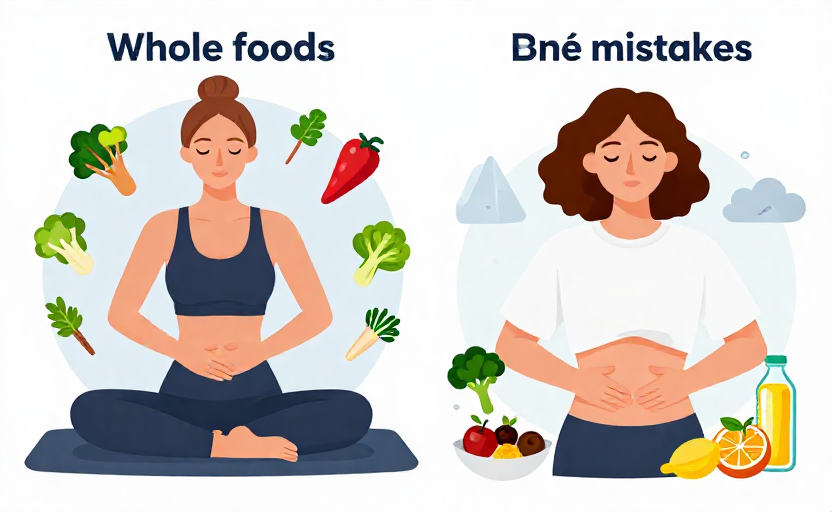
Shift your focus to whole, minimally processed foods: vegetables, fruits, lean proteins, whole grains, and healthy fats.
Mistake 5: Drinking Alcohol Excessively
While moderate alcohol consumption may fit into some lifestyles, excessive intake is directly linked to increased abdominal fat. Alcohol provides "empty" calories that the body prioritizes metabolizing. Meanwhile, the digestion of other nutrients you've eaten is put on hold, making it more likely that those calories will be stored as fat.
Alcohol can also lower inhibitions, leading to poorer food choices later, and may disrupt sleep quality, compounding the problem.
How to Build a Visceral Fat-Friendly Lifestyle
Avoiding these mistakes isn't about perfection; it's about building consistent, supportive habits. Start by assessing which one or two areas you could adjust most easily. Perhaps it's adding two strength training sessions a week, or swapping a sugary afternoon snack for a piece of fruit and a handful of nuts.
The goal is a holistic approach: nourish your body with whole foods, engage in both strength and cardiovascular exercise, protect your sleep, and find healthy outlets for stress. These changes work synergistically to improve your metabolic health and create an internal environment less conducive to storing visceral fat.
Remember, the path to reducing visceral fat is a marathon, not a sprint. Be patient with yourself, celebrate small victories, and focus on the lasting health benefits that come from these sustainable shifts.