
You have been diligent with your meals, consistent with your workouts, and the scale was finally moving in the right direction. Then, without warning, the numbers stop budging. Days turn into weeks, and that initial momentum feels like a distant memory. This is the dreaded weight loss plateau, and while it is frustrating, it is also a clear signal that your body has adapted to your current routine.
Hitting a plateau is actually a sign of progress. Your body has become more efficient, but that efficiency can work against your goals if you do not adjust your strategy. The key is to identify which of these five common mistakes might be quietly stalling your results.
Mistake #1: Your calorie intake has drifted back up
What worked for you at 180 pounds will not work at 160 pounds. As you lose weight, your body requires fewer calories to function. This is not a punishment; it is basic metabolic math. A lighter body burns fewer calories at rest than a heavier one. If you are still eating exactly what you ate when you started, you may now be eating at maintenance, not in a deficit.
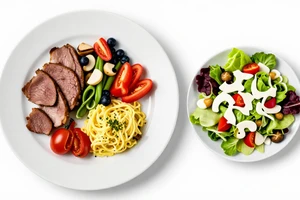
Portions have a way of creeping back up, too. A handful of almonds becomes two. A splash of olive oil becomes a generous pour. Snacking becomes more casual. The fix here is not to starve yourself, but to re-evaluate your current intake. Try logging your food for a few days without judgment. You might discover that your portions have silently expanded, and a small recalibration is all you need.
Mistake #2: You have stopped focusing on protein
When you are eating fewer calories, every bite matters. Protein is critical during weight loss because it helps preserve lean muscle mass. More muscle means a higher resting metabolic rate. If your protein intake has slipped, your body may start breaking down muscle tissue for energy, which lowers your metabolism over time.
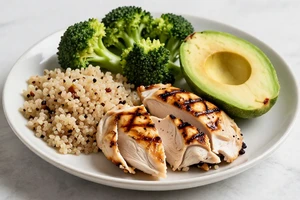
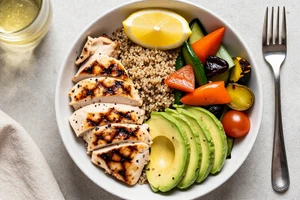
Many people cut back on protein-rich foods unintentionally when they reduce portions. Aim to include a source of protein at every meal. Eggs, Greek yogurt, chicken breast, tofu, lentils, and fish are all solid choices. Beyond metabolism, protein increases satiety, which helps you avoid those extra snacks that contribute to Mistake #1.
Mistake #3: Your stress levels are sabotaging your efforts
Weight loss is not just about calories in and calories out. Chronic stress elevates cortisol, a hormone that encourages your body to hold onto fat, particularly around the midsection. High cortisol can also increase cravings for high-sugar, high-fat foods, making it harder to stick to your plan.
If you are feeling overwhelmed, stressed, or sleep-deprived, your body is in a survival state. It does not want to let go of energy stores. This is not a character flaw; it is biology. The solution is not to white-knuckle through it, but to address the root cause. Prioritize sleep, add gentle movement like walking instead of high-intensity training on tough days, and build in brief moments of genuine rest. Sometimes the missing piece in your weight loss plan is a full night of sleep, not a new exercise routine.
Mistake #4: Your workouts have become predictable
The body is remarkably good at adapting to repeated stress. If you have been doing the same three workouts every week for months, your body no longer finds them challenging. You burn fewer calories doing them, and you build less new muscle. This is often called the law of diminishing returns: the more you do the same activity, the less benefit you get from it.
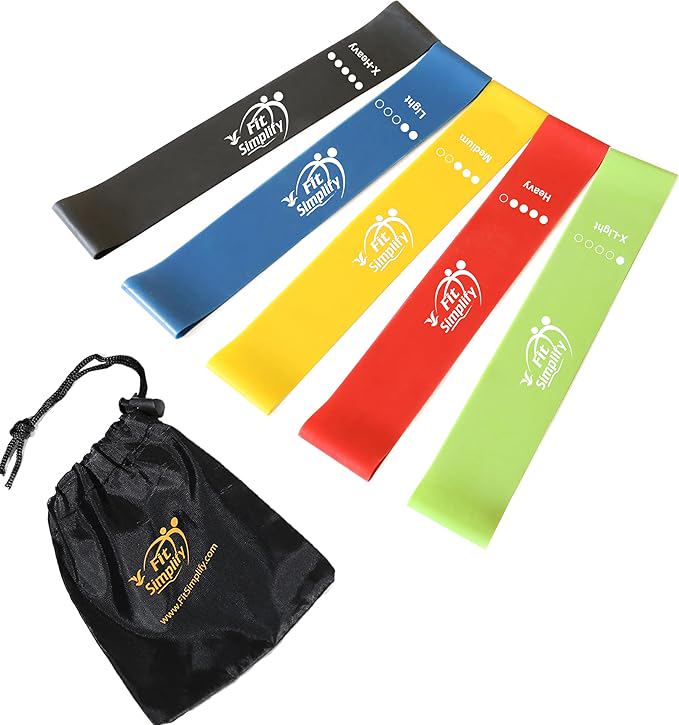
You do not need to overhaul your entire routine, but introducing a new stimulus can reignite progress. Add a few more reps, increase the weight, shorten your rest periods, or try a new form of exercise entirely. If you have been only doing steady-state cardio, add two days of resistance training. If you have been lifting heavy, add some plyometric movements. The goal is to challenge your muscles and cardiovascular system in a way they have not experienced lately.
Mistake #5: You are not tracking your food, but you think you are
This is the most common blind spot in weight loss plateaus. People vastly underestimate their calorie intake and overestimate their calorie burn. Studies consistently show that individuals report eating fewer calories than they actually do, sometimes by as much as 30 to 50 percent. The discrepancy usually comes from the small items: the splash of creamer in coffee, the handful of chips from a shared bag, the dressing on a salad, or the “healthy” snack bar that is essentially a candy bar in disguise.
You do not have to count every calorie for the rest of your life. But for one week, consider measuring and logging everything that passes your lips. Use a kitchen scale for accuracy. This is not about restriction; it is about awareness. You may find that a few small, overlooked items are adding up to a meaningful calorie surplus.
A plateau is not a wall. It is a crossroads. A small, strategic adjustment is often enough to get things moving again.
Weight loss is rarely a straight line. It is a meandering path with dips, flat stretches, and occasional climbs. The plateau is not the end of your journey; it is a sign that the path has shifted, and you need to adjust your approach. Stick with the fundamentals, stay patient, and trust that progress is still possible.