
You track your meals. You crush your workouts. Yet the stubborn changes you want in your body composition — less body fat, more lean muscle — feel frustratingly out of reach. It might be tempting to blame your diet or your training split, but the real culprit could be happening while you’re asleep.
Sleep is a cornerstone of body composition that many overlook. Even small, consistent mistakes in your sleep routine can quietly sabotage your progress. Here are five common sleep errors that may be undermining your hard work, and what to do instead.
Mistake #1: Skimping on Sleep on Weeknights (Then Sleeping In)
You’ve heard it before: aim for seven to nine hours. But if you consistently cut sleep short Monday through Thursday, thinking you’ll catch up on the weekend, you’re likely hurting your metabolism. Sleep deprivation raises cortisol, a stress hormone that encourages fat storage — particularly in the abdominal area. It also drops leptin (which signals fullness) and raises ghrelin (which triggers hunger). This hormonal cocktail makes you hungrier, especially for high-calorie, high-carb foods, and less satisfied after meals. Over time, this pattern directly opposes the calorie deficit you might be aiming for.
Try this instead: Prioritize a consistent bedtime and wake-up window every day, even on days off. Steady sleep schedules help regulate your circadian rhythm, which optimizes how your body uses energy and stores fat.
Mistake #2: Eating a Heavy Meal Right Before Bed
Eating a large or spicy meal within an hour or two of lights-out disrupts sleep quality. Your digestive system is active, your body temperature stays elevated, and you’re more prone to acid reflux. Poor sleep quality means less time in restorative deep sleep and REM sleep. These stages are critical for muscle repair, growth hormone release, and cognitive recovery. Without enough high-quality sleep, your muscles don't recover as well, and your body may hold onto fat stores more stubbornly.
Try this instead: Finish your last substantial meal at least two to three hours before you go to bed. If you need a small snack, stick to something light, like a small piece of fruit or a handful of nuts.
Mistake #3: Using Electronics Right Up Until Bedtime
The blue light from phones, tablets, and laptops suppresses your brain’s production of melatonin, the hormone that tells your body it's time to sleep. When melatonin production is low, you take longer to fall asleep, and your sleep is lighter and less restorative. This directly impacts your body composition: lower melatonin has been linked to reduced metabolic rate and increased insulin resistance. Your body simply doesn't process nutrients as efficiently, making it harder to build muscle and lose fat.
Try this instead: Create a screen-free wind-down routine for the last 30 to 60 minutes before bed. Read a physical book, take a warm bath, or do gentle stretching. Consider dimming the lights in your home an hour before sleep.
Mistake #4: Ignoring Your Sleep Environment
Your bedroom temperature, light, and noise levels matter more than you think. A room that is too warm can interfere with the natural drop in core body temperature needed for deep sleep. Even faint light, like a streetlamp through the curtains or a glowing alarm clock, can suppress melatonin. A noisy environment can pull you out of deep sleep cycles without you even realizing it. The result is fragmented, poor-quality sleep that leaves you feeling tired and increases your body's stress response, which encourages fat retention.
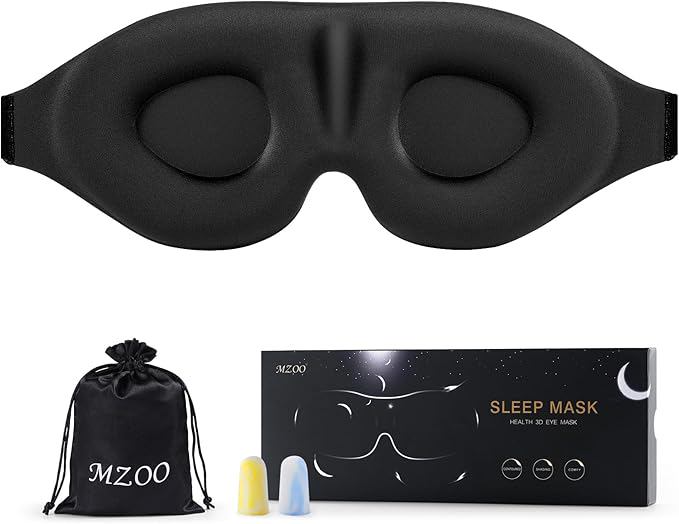
Try this instead: Aim for a cool, dark, and quiet room (ideally around 65°F or 18°C). Use blackout curtains, a white noise machine, or a sleep mask if needed.
Mistake #5: Treating Sleep as a Non-Essential Priority
Perhaps the biggest mistake of all is viewing sleep as a luxury you can sacrifice for work, workouts, or social time. Sleep is not “dead time.” It’s when muscle protein synthesis occurs, when your central nervous system recovers from exercise, and when your body regulates hunger and stress hormones. When you consistently shortchange sleep, you are actively working against every minute you spend in the gym and every healthy meal you eat. Your performance in the gym drops, your recovery slows, and your metabolic rate can decrease.
Try this instead: Reframe sleep as a non-negotiable pillar of your fitness and body composition goals. Treat it with the same respect you give your workout schedule and your meal prep. Your body needs rest to transform.
The relationship between sleep and body composition is powerful. By fixing these common sleep mistakes, you allow your body to do what it's designed to do: burn fat efficiently, build and repair muscle, and regulate appetite. Prioritize your sleep, and you might be surprised at the changes that start to appear — not just on the scale, but in how your clothes fit, how strong you feel, and how much easier it is to stick to your nutrition plan.