
The final savasana is over. You roll up your mat, feeling that familiar blend of calm and gentle fatigue. But for many of us, the quiet that follows a yoga practice can be a double-edged sword: the stillness invites peace, yes, but it can also invite a wandering mind, lingering tension, or a sudden spike in anxious thoughts. What you reach for in that post-practice window matters more than you might think.
As a dietitian, I often talk with clients about how certain nutrients and compounds directly influence the nervous system. The drinks you sip after yoga can either support the calm you just cultivated, or they can undercut it. Here are five science-backed, soothing beverages that pair beautifully with the post-yoga state of mind—without the jitters or sugar crash.
1. Warm tart cherry juice
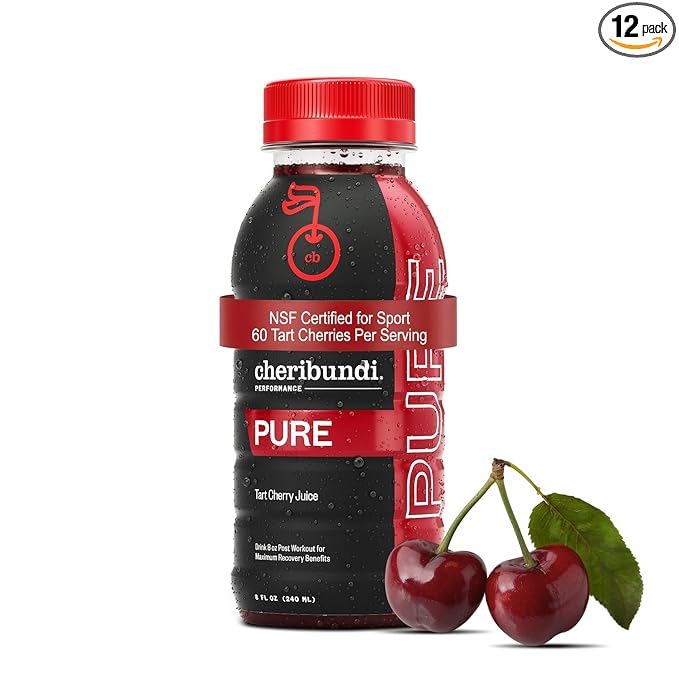
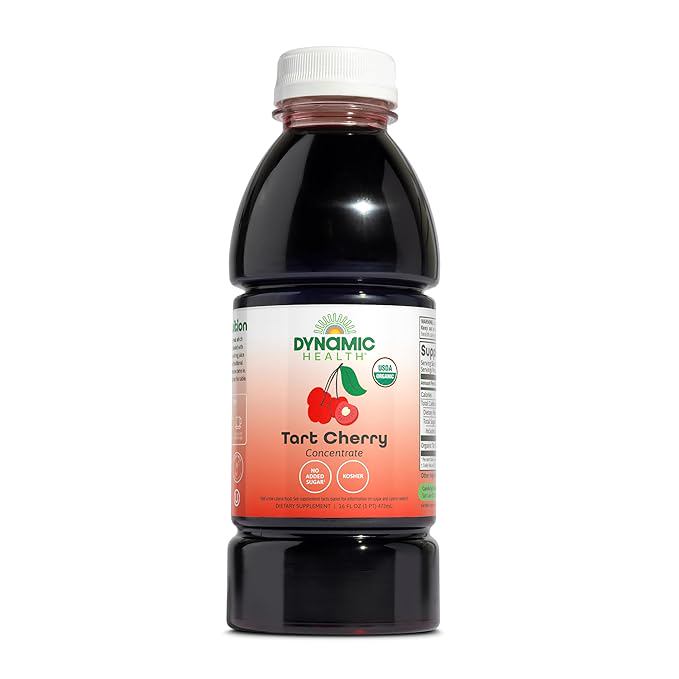
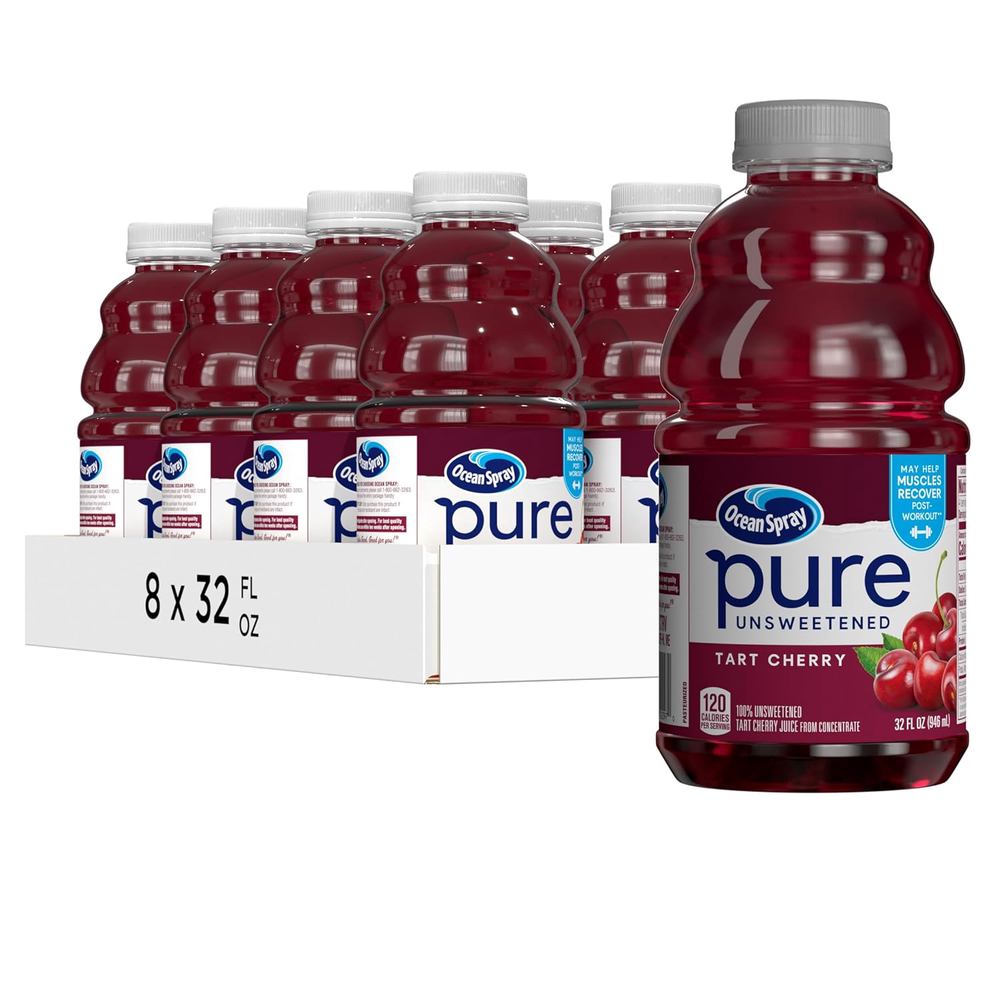
Tart cherry juice is one of the best-kept secrets in the nutrition world when it comes to sleep and relaxation. It’s a natural source of melatonin and tryptophan, both of which help regulate your sleep-wake cycle and promote a sense of drowsiness. But its anti-anxiety edge goes deeper: tart cherries are rich in anthocyanins, potent anti-inflammatory compounds that may help reduce oxidative stress in the brain. Chronic inflammation has been linked to mood disorders, so dulling that background noise can help your nervous system settle.
Try this: Warm a small glass (about 4 to 6 ounces) of unsweetened tart cherry juice on the stove or in the microwave. Sip it slowly while you stretch or journal. The warmth alone signals safety to your body.
2. Matcha latte (made with oat or almond milk)
Yes, matcha contains caffeine—but it’s a very different experience from coffee. Matcha delivers L-theanine, an amino acid that promotes alpha brain waves, which are associated with a state of relaxed alertness. L-theanine also blunts the jittery edge of caffeine, so you get gentle focus without the crash. After yoga, when your nervous system is primed for receptivity, matcha can help you transition into the rest of your day with clarity rather than restlessness.
The key is to avoid sugary syrup-laden versions. Whisk a teaspoon of high-quality ceremonial matcha powder with a splash of hot water, then top it off with warm unsweetened oat or almond milk. A dash of cinnamon adds blood-sugar-stabilizing benefits and a cozy flavor.
3. Chamomile and lavender tea blend
Chamomile is a classic bedtime tea for good reason: it contains apigenin, an antioxidant that binds to benzodiazepine receptors in the brain, producing a mild sedative effect. Lavender adds its own layer of anxiolytic power; studies suggest that the scent and compounds in lavender can lower cortisol levels and reduce subjective feelings of anxiety. When you combine the two, you get a floral, gentle brew that seems purpose-built for the post-yoga wind-down.
Steep a chamomile-lavender tea bag (or loose-leaf blend) for a full five minutes—don’t rush it. Drink it while you sit on the floor, legs crossed, letting the warmth travel through your chest and belly. This is less about hydrating and more about ritual.
4. Golden milk (turmeric latte)
Golden milk—a warm mixture of turmeric, black pepper, ginger, and a milk of your choice—has anti-inflammatory properties that reach beyond your joints. Turmeric’s active compound, curcumin, has been shown in preliminary research to support mood regulation by reducing inflammation in the brain and boosting levels of brain-derived neurotrophic factor (BDNF), a protein linked to lower rates of depression and anxiety.
To make it truly effective, always include black pepper (it boosts curcumin absorption by up to 2,000%) and a small amount of a healthy fat, like coconut oil or full-fat oat milk. If you prefer sweetness, a half-teaspoon of maple syrup is fine—but taste it plain first. The earthy, spicy warmth is grounding in a way that sugar can’t replicate.
5. Coconut water with magnesium powder
This is the simplest option—almost no preparation required—but it’s surprisingly potent for anxiety. Coconut water is naturally rich in potassium and electrolytes, which support cellular hydration and nerve transmission. But the real star here is added magnesium. Many of us are running low on magnesium, and deficiency has been directly linked to increased anxiety and difficulty relaxing. Magnesium helps regulate the HPA axis (your central stress-response system) and promotes GABA activity, the brain’s primary inhibitory neurotransmitter.
Look for a plain, unsweetened coconut water and add a scoop of unflavored magnesium powder (magnesium glycinate is best for anxiety because it’s highly absorbable and gentle on the stomach). Shake or stir well and sip it while you reflect on your practice.
A quick caveat from a dietitian: None of these drinks are a substitute for professional mental health support. They are supportive tools—not treatments. If anxiety is significantly affecting your daily life, please seek guidance from a therapist or physician. In the meantime, let your post-yoga beverage be a small, intentional act of self-care. The ritual matters as much as the ingredients.