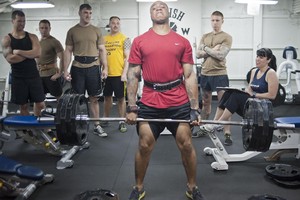
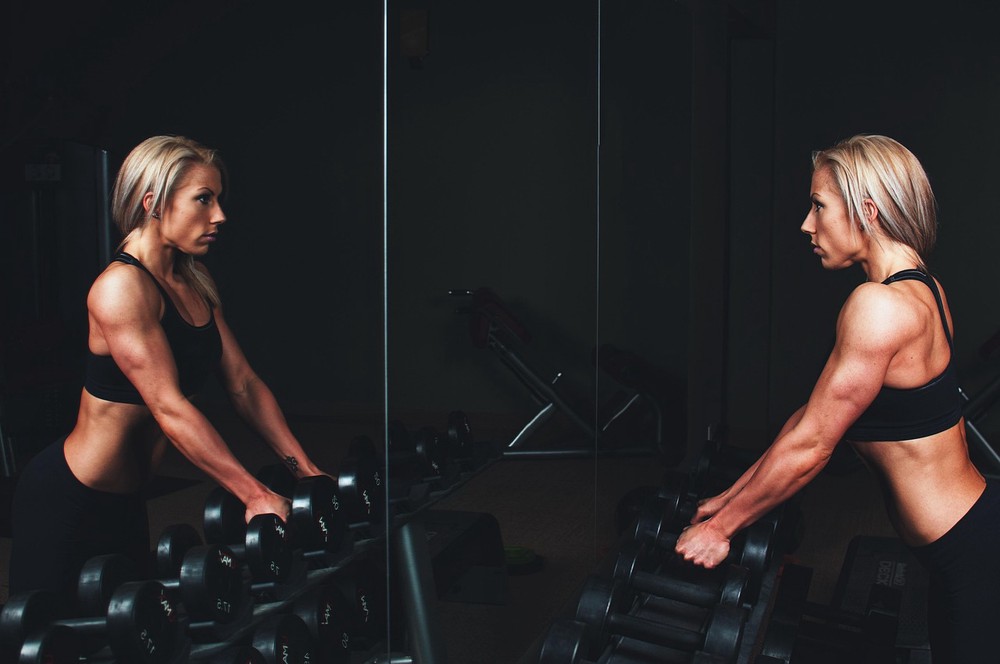
That familiar ache in your legs after a tough leg day or the tenderness in your shoulders from a new overhead press—delayed onset muscle soreness (DOMS) is a signal that your muscles have been challenged and are adapting. While reaching for an over-the-counter pain reliever might seem like the quickest fix, many fitness experts recommend gentler, more sustainable methods to manage that stiffness. Here are four strategies that trainers actually use to recover, so you can move better and feel less beat up, all without opening a pill bottle.
1. Keep Moving, But Gently (Active Recovery)
It sounds counterintuitive: your muscles hurt, so why would you move them more? The science behind this is based on blood flow. When you exercise, tiny micro-tears occur in your muscle fibers. The resulting soreness is partly due to fluid buildup and inflammation. Light, low-intensity movement helps pump nutrient-rich blood into those sore tissues while flushing out metabolic waste products.
What does this look like in practice? It's not a full workout. Instead of a rest day spent entirely on the couch, trainers suggest a 15–20 minute walk, a leisurely bike ride, or some gentle swimming. Yoga or a dedicated cooldown stretch session—think holding for 30 seconds rather than bouncing—can also work wonders. The goal is to get the blood flowing, not to exhaust yourself further.
2. Hydrate, Especially with Electrolytes
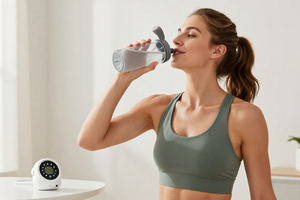
Muscle soreness is often exacerbated by dehydration. When you sweat, you lose not just water but also key minerals like sodium, potassium, and magnesium. These are critical for muscle contraction and relaxation. If you are low on these electrolytes, your muscles are more prone to cramping and can feel tighter and more painful.
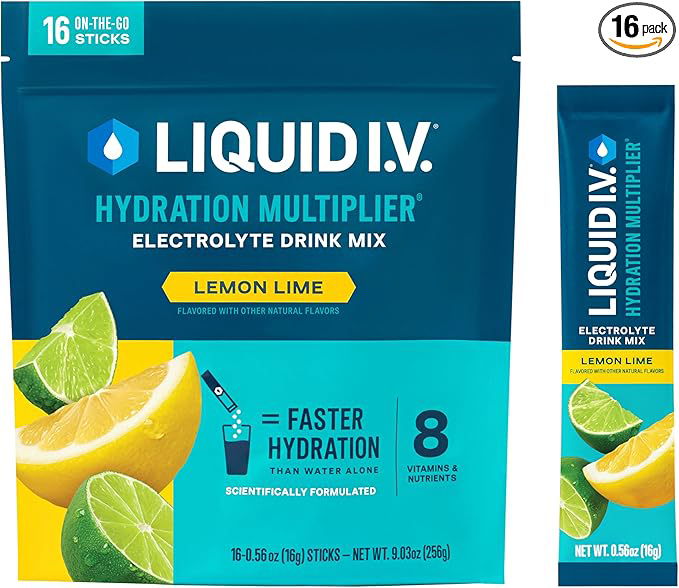
Trainers emphasize drinking water consistently throughout the day, but they also point to a targeted approach: add a pinch of sea salt to your water or drink a low-sugar electrolyte drink after an especially sweaty workout. This rebalancing act can reduce the duration and intensity of soreness. As a general guideline, drink enough so that your urine is pale yellow—a simple but effective health hack for recovery.
3. Use Temperature: Heat, Not Ice (For Post-Workout)
The long-held tradition of icing sore muscles is starting to be questioned by some sports scientists. Ice is excellent for acute injuries—a sprained ankle or a sudden pull. But for the general, diffuse soreness of DOMS, heat may be a better friend. Heat encourages blood vessel dilation (vasodilation), which increases circulation and relaxes tight, stiff muscles.
A warm bath with Epsom salts, a hot shower, or a heating pad applied to the tightest area for 15–20 minutes can significantly relieve discomfort. Some trainers also recommend contrast therapy (alternating hot and cold) for a different sensation, but plain heat is the most accessible and effective tool for easing the ache after the workout is done. Just avoid applying heat to an area that feels swollen or if you sustained a clear injury.
4. Prioritize Quality Sleep
This might be the most underrated recovery tool of all. While you sleep, your body releases growth hormone, which is essential for repairing muscle tissue. Skimping on sleep—especially in the deep stages—directly impairs your body's ability to fix the micro-damage that causes soreness.
Trainers recommend aiming for seven to nine hours of uninterrupted sleep per night, especially in the 36–72 hour window after a tough workout, when soreness peaks. Creating a cool, dark room and sticking to a consistent bed time are simple interventions that can drastically reduce how sore you feel the next day. If you find it hard to fall asleep due to soreness, try a light stretching routine before bed or a foam roller session an hour earlier. The key is to let your body do what it does best: heal.
To sum it up, easing post-workout soreness without medication comes down to a few core principles: promote blood flow with light movement, stay hydrated and replenish electrolytes, use warmth to relax muscles, and never underestimate the power of deep sleep. Give these approaches a try after your next hard session, and let your body tell you what works best.