You might think of your core as just your abs—the six-pack muscles you see in a mirror. But in functional terms, your core is a complex cylinder of muscles that wraps around your entire torso, from your ribcage to your hips. When this system is strong, it stabilizes your spine, supports your posture, and transfers force between your upper and lower body. When it’s weak, your body starts sending quiet signals—aches, compensations, and subtle movement flaws.
These four warning signs suggest your core may be lagging behind what your daily life or workouts demand. None of them mean you’re in danger, but they are useful cues to start paying more attention to foundational stability.
1. Your lower back aches after standing or walking
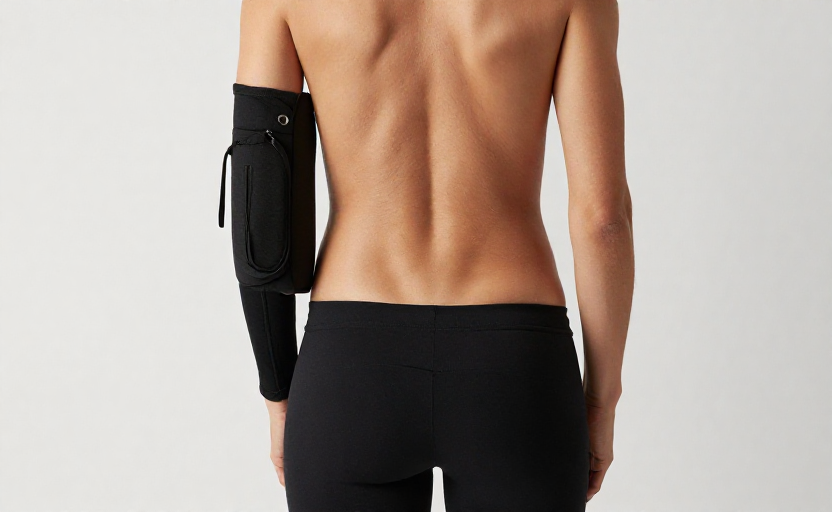
One of the most common complaints in a yoga or fitness setting is a dull ache in the lower back that doesn't stem from a specific injury. If your back starts to hurt after a short walk, while washing dishes, or during a quiet standing pose like Mountain Pose (Tadasana), your core may be the culprit.
When the deep abdominal and spinal stabilizers are weak, the erector spinae muscles in your lower back have to take on extra work to keep you upright. They weren’t designed for that sustained, low-grade job. Over time, they tighten up and rebel. The fix isn't to rest your back more—it's to re-engage your core so it carries its share of the load.
2. You can’t prevent your lower back from arching in a plank
A Plank Pose is a simple test of core integrity. If you drop into a plank on your hands or forearms and your lower back sags toward the floor, it’s a clear sign your deep stabilizers aren't firing properly. This “banana back” or swayback position places excessive pressure on the lumbar vertebrae.
Instead of trying to hold the pose longer, focus on actively drawing your navel toward your spine and tucking your tailbone slightly forward. If you can’t maintain a flat line from shoulders to heels for more than a few seconds without your back caving, it’s a strong indicator that your core needs conditioning before you add more planks or push-ups to your routine.
3. Your posture looks like a C-curve when you sit
We all slouch sometimes, but if you consistently sit with a rounded lower back and your shoulders rolled forward—what chiropractor call a “C-curve” posture—your core is likely too weak to hold your torso upright against gravity. Without sufficient abdominal tone, your pelvis tilts backward, and your upper spine compensates by rounding.
This isn't just about looks. Chronic slumped sitting compresses the front of your discs and stretches the muscles of your lower back. Over years, it can accelerate disc wear. The first step is awareness: when you catch your chest sinking toward your desk, pause and try to gently lift through your sternum while lightly engaging your lower belly.
4. You wobble when standing on one leg
Single-leg balance requires more than just good ankles and knees. Your core must stabilize your pelvis so it doesn't tilt or sway to one side. If you stand on one foot to put on a sock and feel like you’re going to tip over, your lateral core muscles — especially the gluteus medius and quadratus lumborum — may be underactive.
Yoga poses like Tree Pose (Vrksasana) or Warrior III are excellent testing grounds. If you find yourself gripping with your toes or constantly touching a wall, consider it feedback. A few weeks of focused core and hip stabilization work often transforms that wobble into steadiness.
A gentle reality check: Core weakness is extremely common, especially for people who sit for most of their day. It’s not a failure—it’s a signal that your body needs a slightly different type of movement attention. Consistency with simple exercises like dead bugs, bird dogs, and supine pelvic tilts usually makes a noticeable difference within 3 to 4 weeks.