
You did it. You reached your goal weight, stuck to the plan, and finally saw the number on the scale drop. But now, weeks or months later, the needle is creeping back up. If you’ve noticed your clothes fitting tighter and the progress slipping away, you’re not alone. The period after a diet—the maintenance phase—is often where real habits are tested. Weight regain happens gradually, not all at once, and it rarely comes out of nowhere.
Here are four clear signs that your post-diet habits might be quietly steering you back toward old patterns—and what you can do to get back on track without starting a crash diet again.
You’ve Stopped Paying Attention to Portions
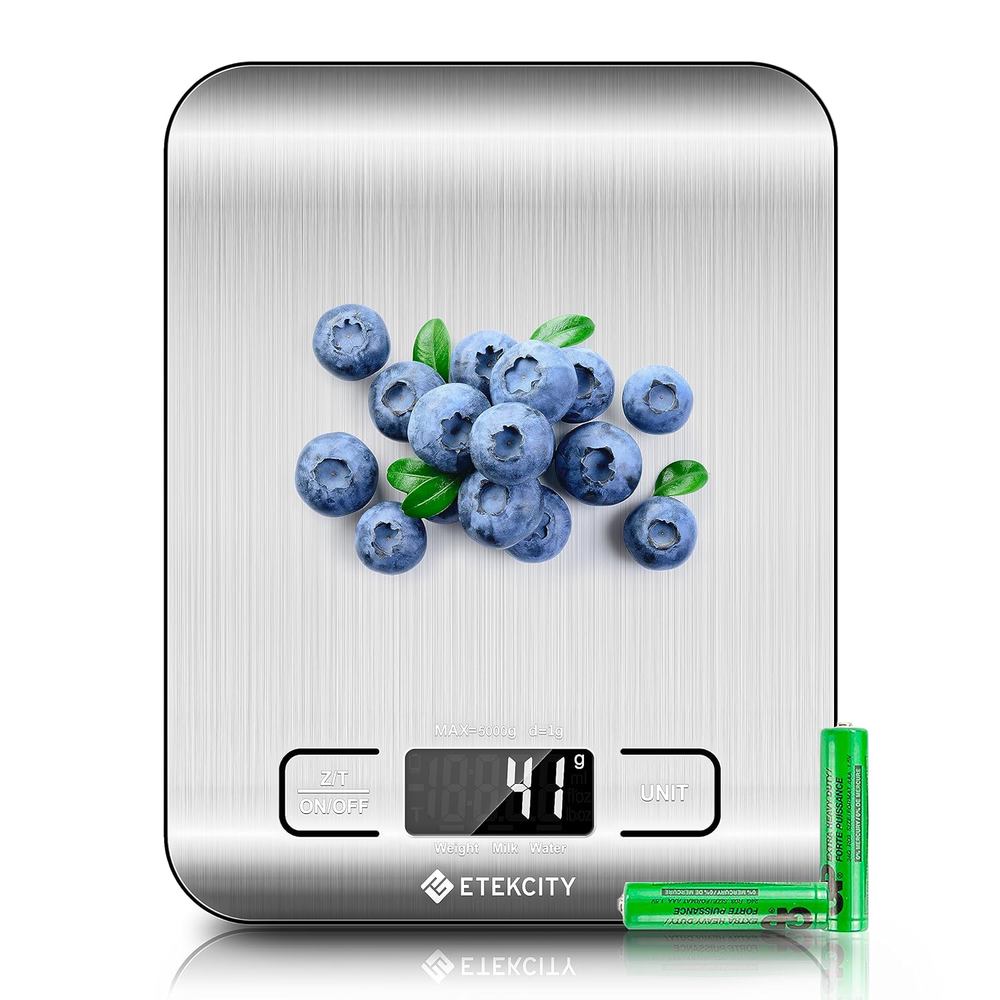
During a diet, every gram and cup is measured. Once the strict phase ends, many people start eyeballing their food again. This is one of the most common reasons for weight regain. The truth is, your body’s calorie needs after weight loss are lower than they were before you started. A portion that once kept you at a stable weight may now be too generous for your new, leaner body.
What to do: You don’t need to count every calorie forever, but occasionally checking in with portion sizes—especially for calorie-dense foods like oils, nuts, grains, and snacks—can help you stay aware. Try using smaller plates, measuring high-fat ingredients once a week, or practicing the “half-plate vegetables” rule to keep portions natural without obsessing.
Your Exercise Routine Has Become One-Dimensional
If your weekly movement only includes long, steady-state cardio—like jogging, cycling, or the elliptical—you may be missing a key component. Cardio burns calories in the moment, but it doesn’t build much muscle. Since muscle tissue burns more calories at rest, losing muscle can lower your resting metabolic rate. A slower metabolism makes it easier to regain weight even if you feel like you’re still exercising.
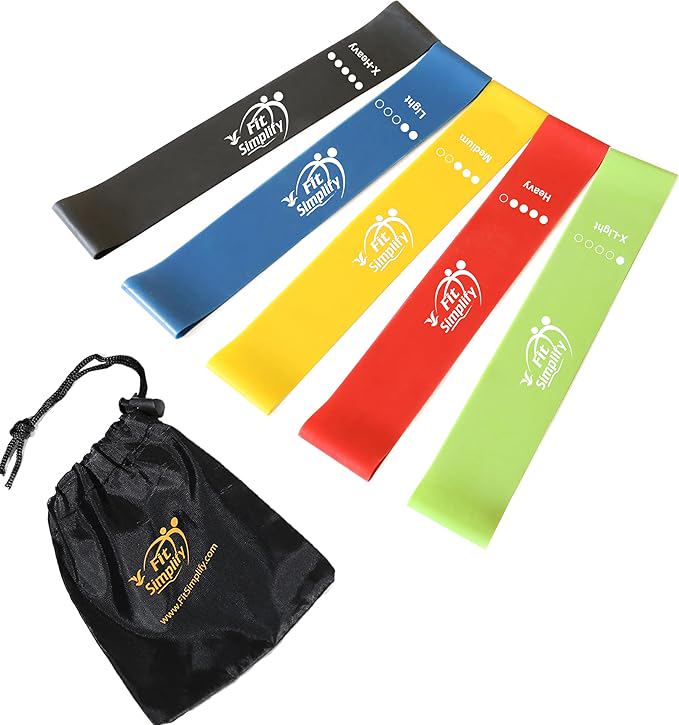
The fix: Strength training is your maintenance friend. Two to three sessions per week of resistance exercises—whether that’s bodyweight moves, free weights, or resistance bands—can help preserve muscle. A balanced approach combining cardio and strength is more sustainable for long-term weight stability than cardio alone.
You’ve Let Non-Hunger Eating Slip Back In
During a structured diet, you probably ate at set times and planned meals ahead. Afterward, emotional and environmental eating can easily return. Boredom, stress, social pressure, or the habit of eating while watching TV can all lead to extra calories that you didn’t consciously choose.
Try this: Before you eat, pause for a moment. Ask yourself: “Am I hungry, or am I just used to eating right now?” If you’re not truly hungry, redirect with a short walk, a glass of water, or a non-food break. Keeping a simple weekly log of when and why you eat can also reveal hidden patterns you didn’t notice.
You’ve Adopted a “Now I’m Normal” Food Mentality
When your diet ends, it’s tempting to think you can return to the way you used to eat. But the “normal” eating that led to weight gain in the first place is no longer a neutral baseline. Many people fall into the trap of rewarding themselves with treats daily or underestimating how often they eat out. Small indulgences add up faster than you’d think, especially if portions and frequency gradually increase.
A sustainable shift: Instead of going back to an old normal, build a new one. Keep the healthy swaps you genuinely enjoyed from your diet—such as vegetables at lunch, lean proteins, or smarter snack choices—and treat the occasional dessert or restaurant meal as a planned exception, not a daily rule. This isn’t about being perfect; it’s about being aware.
Small changes, big impact: Weight regain is rarely one big mistake—it’s a collection of tiny, unnoticed turns. Recognizing these four signs early can help you course-correct without punishing yourself or starting over.
Your mindset after a diet matters as much as your actions. Weight maintenance is a different skill than weight loss. It requires flexibility, self-compassion, and a long-term view. If you see one or more of these signs in your current habits, you have the power to adjust before the numbers climb higher. Focus on consistency over perfection, and you’ll find a stable, healthy weight that sticks.