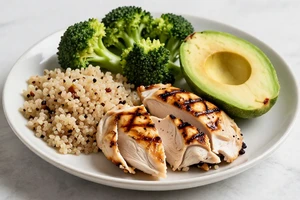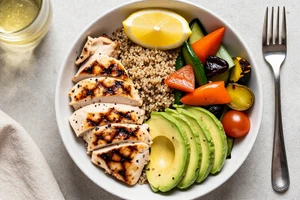

You track everything. You weigh your chicken, measure your rice, and log every snack. Yet the scale barely budges — or worse, it creeps up. If this sounds familiar, the problem may not be your meals. It’s likely the almost-foods you don’t think to log: the invisible calories that slip past your deficit like ghosts.
These aren’t just “little extras.” For many people, hidden calories can add 300 to 600 calories per day — enough to turn a carefully planned deficit into maintenance or gain. Below are the four most common culprits, with practical, immediate changes you can make.
The four biggest hidden calorie sources
1. Liquid calories — the silent stream
We drink them without chewing, so our brains barely register them. A “healthy” morning latte with oat milk and a pump of syrup can easily hit 250–400 calories. A single 12-ounce can of soda adds 140 calories. A glass of orange juice — often considered a health food — packs about 110 calories for a small cup. If you drink two coffees, a soda, and a juice over the day, you may have consumed 500–700 liquid calories without altering your appetite.
The fix: Stick to water, black coffee, or unsweetened tea for two weeks. Watch the scale respond without any other diet changes.
2. Cooking oils and fats — the invisible pour
Olive oil is a health food, but it’s still 120 calories per tablespoon. If you drizzle “a little” into a hot pan (two tablespoons is shockingly easy), that’s 240 calories before any food touches your plate. Butter, coconut oil, and nut oils behave identically. Many people subtract these from their mental counts because “it’s just oil.”
The same logic applies to salad dressing (store-bought versions often contain 120–180 calories per two-tablespoon serving), mayonnaise, and even “cooking spray” if you spray for 5–10 seconds instead of a quick spritz.
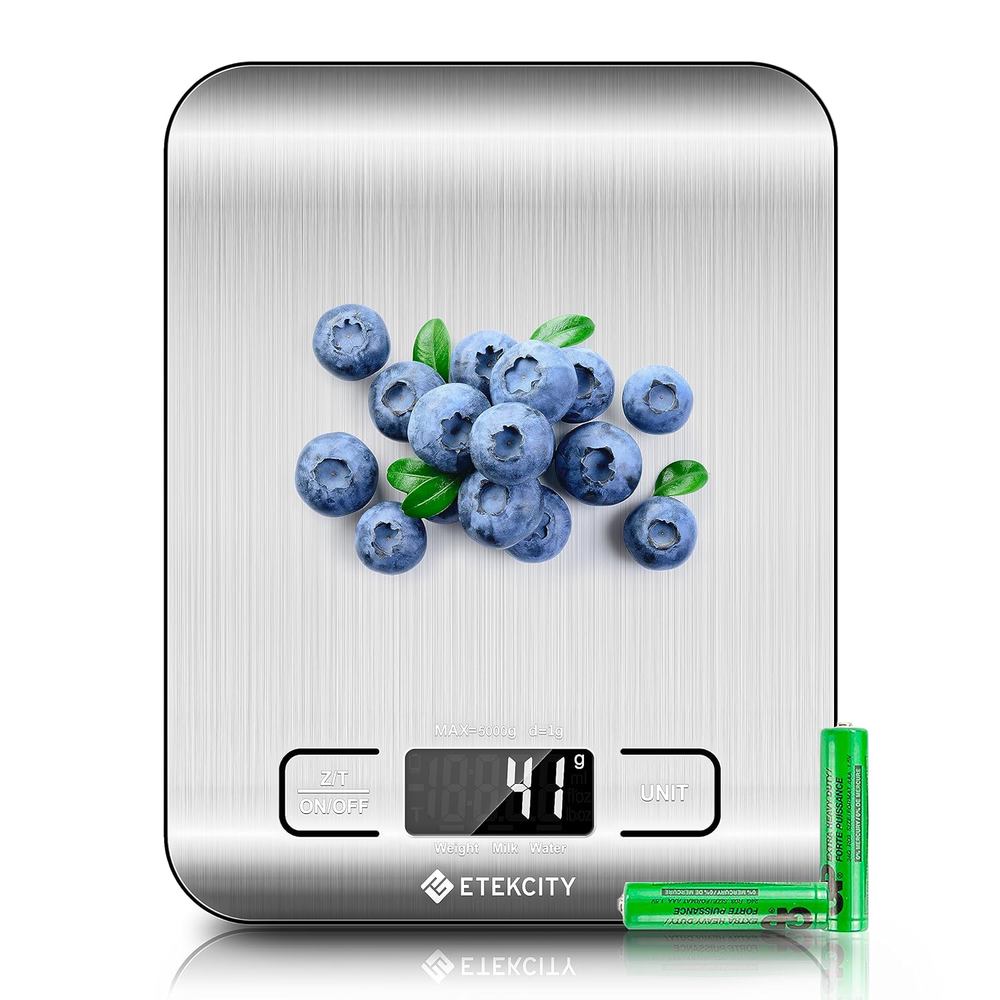
Measure your fats for one week. Use a teaspoon or a kitchen scale. You will likely discover you are adding 200–400 calories per day you were unaware of.
3. “Healthy” snack bars and packaged bites
Granola, protein bars, trail mix, and “raw” energy balls feel virtuous. But many of these are calorie-dense, sugar-packed bars disguised as health food. A standard granola bar contains 150–200 calories, but each bite-size “energy ball” may hold 80–100 calories — and who eats just one? Trail mix is notoriously tricky: a quarter-cup (about a handful) of a standard mix can deliver 180 calories, with much of it from chocolate chips and oil-roasted nuts. Eat three handfuls across a day and you’ve added 500 calories without a proper meal.
The fix: If you eat bars or mixes, treat them as a meal component, not a free snack. Read the label for serving size — and stick to it. Better yet, replace them with whole fruit or raw, unsalted nuts in a pre-portioned bag.
4. Bites, tastes, and “just one” treats
This is the most insidious category because these calories rarely appear in a food diary. The bite of your child’s grilled cheese, the three chips you grab while packing lunch, the spoonful of pasta sauce you taste, the last inch of a smoothie you finish — each bite is 15–50 calories. Over a full day, these micro-bites can accumulate to 300–500 calories, easily erasing your deficit.
One study from the Journal of the American Dietetic Association found that underestimating these “incidentals” is the most common error in self-reported eating. Our brains simply filter them out because they seem too small to matter.
The fix: For one week, commit to not eating anything you didn’t plate or portion yourself. If you do taste while cooking, log it immediately — a single tablespoon of sauce is 15–20 calories.
How to spot them in your own routine
Start a three-day honest audit. Write down everything that passes your lips — including drinks, oils, bites, and “invisible” snacks. At the end of each day, add up the calories from those four categories alone. Many people are shocked to see a total of 400–700 calories that they previously considered “nothing.”
Once you see where they hide, choose one category to address first. Usually, eliminating liquid calories is the easiest, produces the fastest results, and triggers momentum to tackle the others.
You don’t have to cut them all forever. The goal is awareness. Once you know, you can decide whether that 250-calorie latte is worth it — or if you’d rather spend those calories on a satisfying, real meal. Your deficit is only as strong as the calories you don’t forget.