
You finished your set, and something felt off. One side of your body seemed to work harder than the other, or maybe a particular muscle group felt more fatigued on your right than your left. A strength imbalance—whether it's between your left and right side, or between opposing muscle groups like your quads and hamstrings—is common. But what you eat after that workout can play a supporting role in helping your body correct that asymmetry.
Muscle imbalances aren't just about how you look. They can affect your posture, increase your risk of injury, and limit your overall strength gains. While targeted exercises are the primary way to address a strength imbalance, recovery nutrition provides the raw materials your body needs to rebuild. Dietitians point to specific foods that can help your weaker side catch up and keep your stronger side from overcompensating.
Why nutrition matters for muscle balance
When you train, especially when you're trying to correct an imbalance, you're asking your body to grow tissue in specific areas. Your weaker side needs more attention, more protein synthesis, and more recovery support. This is where food comes in.
Protein provides the amino acids that repair and build muscle fibers. But it's not just about eating a lot of protein. The timing matters. Having a protein-rich meal or snack within two hours after your workout can maximize muscle protein synthesis. For someone with a strength imbalance, this window is crucial because you want to ensure your weaker muscles get the building blocks they need to adapt and grow stronger.
Carbohydrates also play a key role. They replenish glycogen stores that your muscles used during training and help drive amino acids into muscle tissue. Without enough carbohydrates, your body may break down muscle tissue for energy, which is the opposite of what you want when trying to balance strength.
Certain micronutrients and bioactive compounds support the inflammation response, joint health, and blood flow—all factors that can influence how well your muscles recover and adapt. Here are four specific foods dietitians recommend for fixing a strength imbalance.
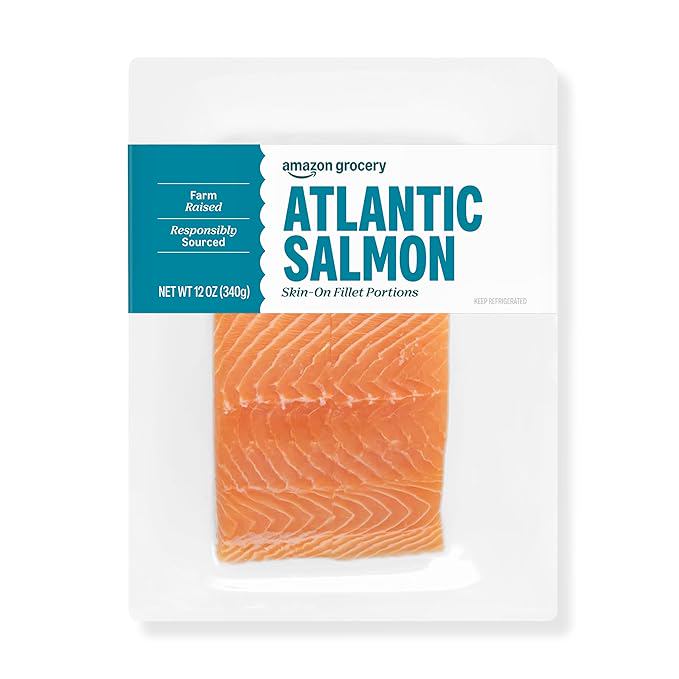
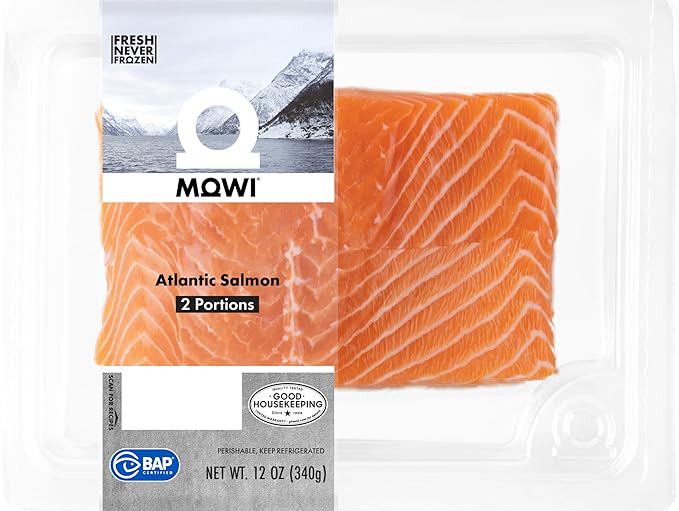
1. Fatty fish like salmon
Fatty fish such as salmon, mackerel, and sardines provide high-quality protein and a unique dose of omega-3 fatty acids. Omega-3s—specifically EPA and DHA—help reduce exercise-induced inflammation and muscle soreness. When you're working on a strength imbalance, you're often training your weaker side more intensely or with different movement patterns than usual. This can lead to disproportionate soreness.
“Omega-3s help your muscles respond better to the training stimulus by reducing systemic inflammation,” says registered dietitian nutritionist Jenna Volz, RDN. “Less inflammation means your weaker side can recover faster and be ready for the next session sooner.”
Aim for about 3 to 6 ounces of fatty fish within a couple of hours after your workout. Pairing salmon with a carbohydrate source like sweet potato or rice can enhance recovery.
2. Tart cherry juice
This isn't a random addition to the list. Tart cherry juice has a solid body of research behind it for post-exercise recovery. It contains antioxidants called anthocyanins that reduce oxidative stress and muscle damage. For someone with a strength imbalance, this can be particularly helpful because you might be fatiguing muscles that aren't used to working as hard.
One study found that tart cherry juice helped accelerate strength recovery after intense exercise. The participants who drank it had less strength loss and less muscle pain compared to those who didn't. While not a magic bullet, it can be a strategic addition to your post-workout routine. A small glass (about 8 ounces) of unsweetened tart cherry juice can be enough. Just keep an eye on added sugars.
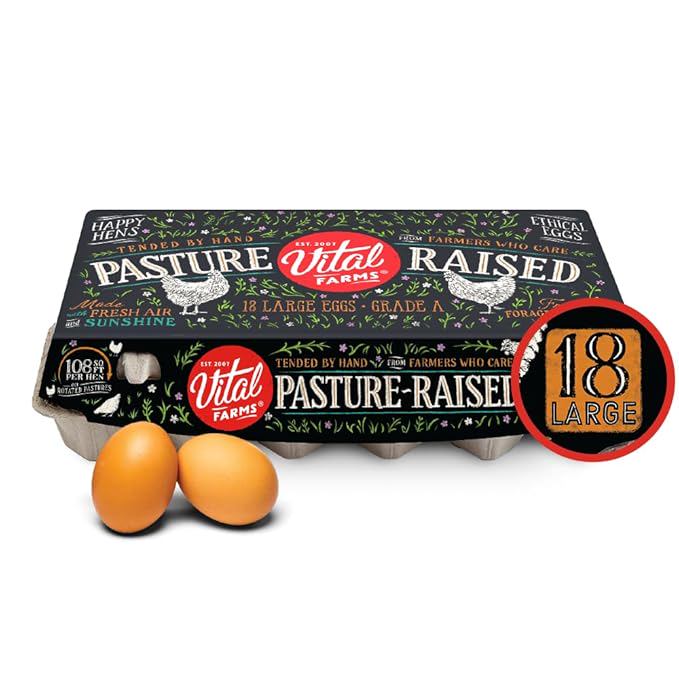
3. Eggs
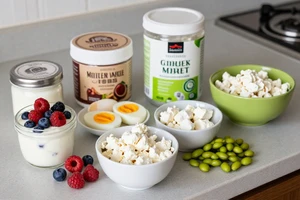
Eggs are a near-perfect protein source for post-workout recovery. They provide all nine essential amino acids in a form that your body can use efficiently. The leucine content in eggs—an amino acid that directly triggers muscle protein synthesis—is especially valuable when you're trying to grow and balance muscle tissue.
Dietitians often recommend eggs because they're versatile and digest easily. A study from the Journal of Strength and Conditioning Research showed that eating whole eggs post-workout led to greater muscle protein synthesis compared to eating the same amount of protein from egg whites alone. The macronutrients in the yolk appear to help with absorption and utilization of the protein.
Try two or three whole eggs after your training session. You can eat them alone, put them on a piece of whole-grain toast, or toss them into a bowl with vegetables and rice.
4. Spinach
Spinach might not seem like a recovery powerhouse, but it deserves a spot here. It provides magnesium, which supports muscle function and relaxation. Magnesium helps regulate muscle contractions and can reduce the likelihood of cramping—useful when you're training an imbalanced muscle group that might be compensating incorrectly.
Spinach is also rich in nitrates, which convert to nitric oxide in the body. Nitric oxide improves blood flow and oxygen delivery to muscles. Better blood flow means more nutrients reach your recovering muscles, especially the ones that need extra attention.
You don't need a huge amount. A couple of handfuls of fresh spinach in a post-workout smoothie, scrambled with your eggs, or sautéed as a side can make a meaningful difference. Pairing spinach with a source of vitamin C—like lemon juice or bell peppers—helps increase iron absorption from the spinach, which further supports oxygen transport to muscles.
Practical strategies for your post-workout meal
Building your post-workout plate around one or more of these foods doesn't have to be complicated. Here are a few combinations that dietitians suggest for someone working on a strength imbalance:
- Salmon bowl: Grilled salmon over brown rice with sautéed spinach and a side of roasted sweet potatoes
- Egg scramble: Two or three whole eggs scrambled with fresh spinach and served with a slice of whole-grain toast
- Smoothie recovery: Tart cherry juice blended with plain Greek yogurt (for extra protein), spinach, and a banana
- Simple snack: Hard-boiled eggs with a small glass of tart cherry juice
Consistency matters more than perfection. If you can nail a protein-rich meal with some carbohydrates and one of these targeted foods within two hours of your workout most days, you're giving your body what it needs to address that imbalance over time.
When to consider other factors
Food can support your recovery, but it cannot fix a strength imbalance caused by poor exercise technique, unaddressed joint issues, or a neurological problem. If you notice a significant or sudden difference in strength between sides, or if pain accompanies the imbalance, check with a physical therapist or doctor.
Also, keep your overall diet in view. Eating salmon, tart cherry juice, eggs, and spinach after your workout won't help much if the rest of your eating pattern is low in calories, protein, or key nutrients. Recovery happens over days and weeks, not just during the immediate post-workout window.
The goal is to give your muscles the fuel they need to adapt to the extra work you're asking of them. Over time, with the right training and the right nutrition, that imbalance will start to close.