
You have carved out the time for an evening yoga session after a long day of sitting. You have your mat rolled out, and you are mentally ready to transition from work mode to a mindful flow. But if your body feels sluggish, bloated, or off, the culprit might be something you did just a few hours earlier. For desk workers, the habits we fall into right after lunch can quietly sabotage the quality of our evening practice.
The goal isn't perfection—it's awareness. By adjusting four common afternoon routines, you can walk onto your mat feeling lighter, more flexible, and genuinely prepared to move. Here is how to stop fighting your own digestion and start supporting your yoga session.
1. Grazing on high-sugar snacks all afternoon
That 3:00 pm candy bar or the office birthday cake might give you a temporary lift, but the crash that follows is rough on both your energy and your joints. For yoga, stable blood sugar means steadier balance, clearer focus, and less brain fog during standing poses. High-sugar snacks also promote inflammation, which can make your muscles feel stiff when you try to stretch into a forward fold.
What to do instead: If you need an afternoon bite, choose something that includes protein or fiber. A handful of almonds, a hard-boiled egg, or an apple with peanut butter will keep your glucose steady and leave your stomach calm enough for a twist or an inversion. Keep a stash in your desk drawer so you are not tempted by the vending machine.
2. Drinking caffeine after 2:00 pm
That second or third cup of coffee might feel necessary for surviving a tedious spreadsheet, but caffeine late in the day can interfere with your evening yoga in two ways. It ramps up your nervous system, making it harder to settle into a restorative pose or a steady breathing rhythm. It also acts as a mild diuretic, which can lead to dehydration—and dehydrated muscles are less pliable and more prone to cramping.
What to do instead: Set a caffeine cutoff around early afternoon. Your 3:00 pm slump might be thirst in disguise. Switch to water or an herbal tea like peppermint or ginger, which can actually aid digestion. By the time you step onto your mat, your body will be hydrated and your mind ready for the stillness yoga requires.
3. Staying seated for hours after eating
This one hits close to home for every desk worker. You eat lunch at your desk, and then you stay glued to your chair for the next three hours. Gravity and prolonged sitting compress your digestive tract, leading to bloating, gas, and that uncomfortable feeling of fullness that makes deep breathing feel restricted. Tight hip flexors and a rounded lower back from sitting also limit your range of motion in poses like low lunge or seated forward fold.
What to do instead: Build in a short walk after lunch, even if it is just five minutes around the office or a quick lap up and down the stairs. This gentle movement helps digestion get started and wakes up your hip and glute muscles. If you cannot leave your desk, stand up, roll your shoulders back, and do a few gentle side bends while you wait for your computer to boot up. Your evening practice will thank you.
4. Eating a late, heavy lunch
When your lunch break slides to 2:00 or 3:00 pm because of back-to-back meetings, you might eat faster and choose heavier, more processed comfort foods. Your body needs several hours to digest a large meal—especially one high in fat or protein. If you are rolling onto your yoga mat with a stomach still in the thick of digesting a burger and fries, you will find yourself uncomfortable in any twist, inversion, or deep forward bend. Your diaphragm has less room to expand, making even a simple Sun Salutation feel labored.
What to do instead: Aim to finish your main lunch by 1:30 pm, giving your body at least three to four hours before you unroll your mat. If a late lunch is unavoidable due to work constraints, keep it light: think a salad with lean protein, a quinoa bowl, or a substantial soup without heavy cream. Save the heavier meal for after your practice, as a post-yoga dinner.
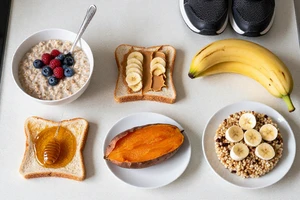
A quick note on timing: A light snack one hour before yoga—like a banana or a few dates—is fine. The goal is to avoid a full, heavy meal close to your practice. Pay attention to how your body feels, and adjust your lunch schedule accordingly.
Evening yoga is a powerful reset after a sedentary workday. By tidying up these four post-lunch habits, you give yourself the best chance to feel fluid, focused, and free during your practice. Small adjustments to your afternoon routine make a noticeable difference in your time on the mat.