Yoga offers profound benefits for strength, flexibility, and peace of mind at any age. Yet, as our bodies mature, the practice that once felt like a sanctuary can sometimes become a source of subtle strain. The goal isn't to stop, but to adapt—to listen more closely to the nuanced language of your joints so your practice can remain a supportive companion for years to come.
Recognizing the difference between healthy effort and harmful stress is key. The following signs aren't meant to alarm you, but to empower you with awareness. They are gentle prompts to check in, adjust, and perhaps seek guidance, ensuring your yoga continues to nourish rather than deplete.
1. You feel sharp or localized pain during or after practice
A dull, diffuse ache in a muscle after trying a new pose is one thing. A sharp, pinching, or stabbing sensation in a specific joint—like the knee, hip, shoulder, or wrist—is a clear signal to pause. This type of pain is your body's direct communication that a structure is being compressed, pinched, or loaded in an unsustainable way.
Healthy sensation in yoga often feels like a broad stretch or muscular engagement, not a precise, pointed pain.
Common culprits include forcing the knees into deep lotus or hero's pose without adequate hip mobility, or bearing too much weight on hyperextended elbows in poses like downward dog. The pain may subside when you come out of the pose, but if it returns consistently in the same spot, it's a pattern worth addressing. Ignoring these sharp signals can lead to inflammation or longer-term wear.
2. Your joints feel unstable or "give way"
A feeling of wobbliness, buckling, or a lack of reliable support in a joint during movement is a significant warning. You might notice it in a standing balance pose when the knee seems to jiggle side-to-side, or in a plank when the shoulder socket feels vague and unsupported. This sensation often points to the joint relying on its passive structures (ligaments, joint capsule) rather than being actively stabilized by the surrounding muscles.
With age, ligaments can become less elastic, and the proprioceptive feedback—your body's sense of where it is in space—can dull slightly. A safe practice for aging joints prioritizes building active stability. This means engaging the muscles around the joint to create a supportive "corset" before moving into a pose's full range of motion.
- For knees: Gently engage your quadriceps and feel for a subtle lift in the kneecap before straightening the leg.
- For shoulders: Draw the shoulder blades lightly down your back and broaden your collarbones to create a stable shelf for the joint.
- For wrists: Press firmly through the knuckles and fingertips to avoid dumping weight into the heel of the hand.
3. You experience persistent stiffness or swelling the next day
It's normal to feel some muscular stiffness 24-48 hours after a new or vigorous practice. However, persistent stiffness specifically in a joint that lasts for days, or noticeable swelling (like a puffy knee or ankle), indicates inflammation. This is the body's repair response to micro-trauma or irritation.
If your yoga practice regularly leaves your joints feeling more stiff and less mobile the following day, it's a sign the practice may be creating repetitive stress rather than lubricating and nourishing the joint. Common triggers include sequences with many repetitive, loaded movements (like multiple vinyasas with chaturangas) without adequate variation or rest, or holding deep, end-range joint positions for prolonged periods.
Making your practice a sanctuary for your joints
Noticing any of these signs is an invitation to refine, not retire. Here are foundational ways to pivot your approach.
Embrace props as partners, not crutches
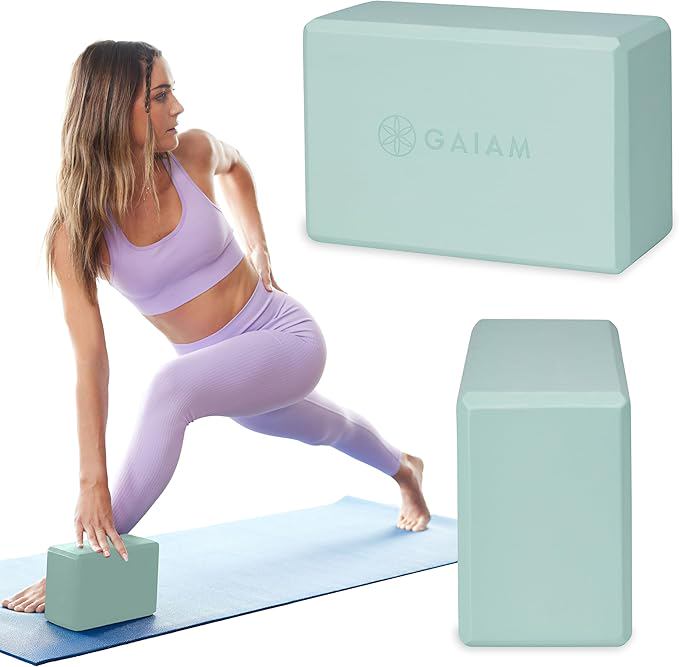
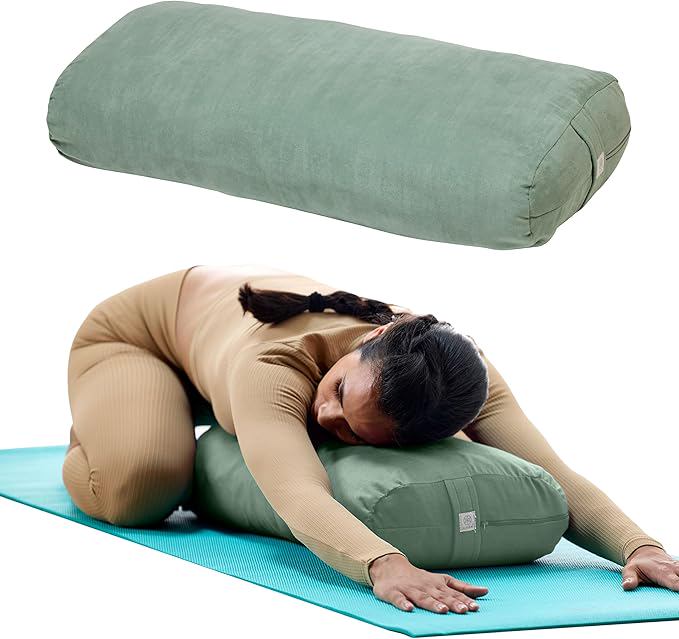
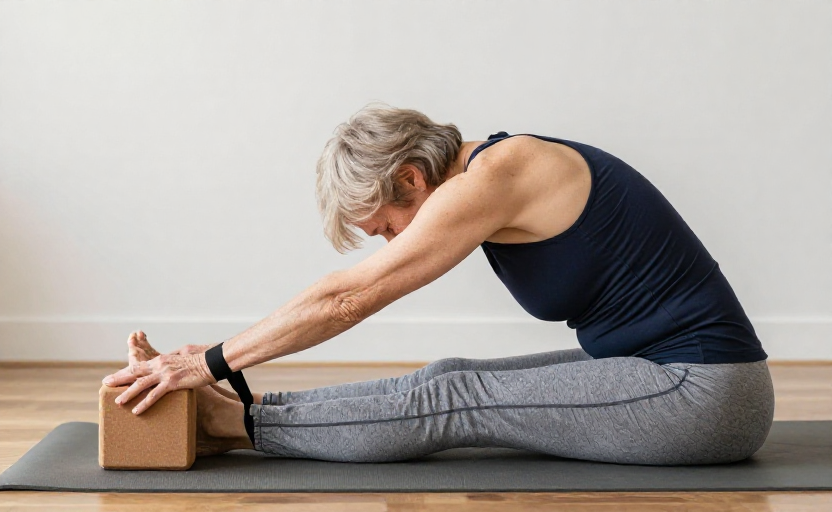
Blocks, straps, bolsters, and blankets are genius tools for adapting alignment and reducing compressive load. A block under your hand in a twist can spare your spine and hips. A strap around your foot in a leg stretch can keep your knee and lower back safe. Using props isn't a modification for beginners; it's intelligent yoga for a lifetime.
Focus on alignment over depth
Let go of the old image of the "final expression" of a pose. The true expression of a pose is the one that aligns your unique skeleton optimally. Prioritize the integrity of your joints over how far you go. A shorter, straighter-legged forward fold with a long spine is infinitely safer for the lower back than rounding deeply to touch your toes.
Seek out knowledgeable guidance
Consider taking a class specifically labeled for "seniors," "gentle," or "therapeutic" yoga, even if you consider yourself fit. These instructors are typically well-versed in joint anatomy and adaptations. A few private sessions with a teacher experienced in working with aging bodies can provide personalized cues that transform your home practice.
Your yoga mat should be a place of discovery and care, not a proving ground. By tuning into these warning signs and responding with curiosity and kindness, you honor the body you have today. This mindful approach ensures your practice remains a sustainable source of vitality, allowing you to move and breathe with ease for many years ahead.