You’ve rolled out your mat, set your intention, and are ready to flow. But halfway through your first sun salutation, something feels off. Your muscles feel tight, your energy is sluggish, and that deep forward fold feels more like a distant dream than a present possibility. While many factors influence your practice, one often overlooked culprit sits quietly in your stomach: your pre-yoga snack.
What you eat before stepping onto the mat isn't just about fueling your body; it's about creating the right internal environment for your muscles to lengthen, your joints to open, and your mind to focus. The wrong choice can create subtle but significant roadblocks to your stretch.
What does digestion have to do with flexibility?
Yoga is an internal practice as much as an external one. When you move into a pose, you're asking your body to direct blood flow and energy to your musculoskeletal system—to your hamstrings, your spine, your hips. If your digestive system is actively breaking down a recent meal or snack, it demands a significant share of that same blood flow and energy. This creates a literal internal competition, leaving less available for the muscles you're trying to engage and lengthen.
Furthermore, certain foods can trigger inflammation, cause bloating, or lead to energy spikes and crashes, all of which directly oppose the calm, open, and steady state yoga aims to cultivate. Listening to your body here means tuning into more than just hunger; it's about noticing how what you eat translates into how you move and feel.
The three warning signs your snack isn't serving your practice
These signals are your body's direct feedback. They often appear 30 to 90 minutes after eating, right as you begin your practice.
1. A feeling of heaviness or bloating in twists and folds
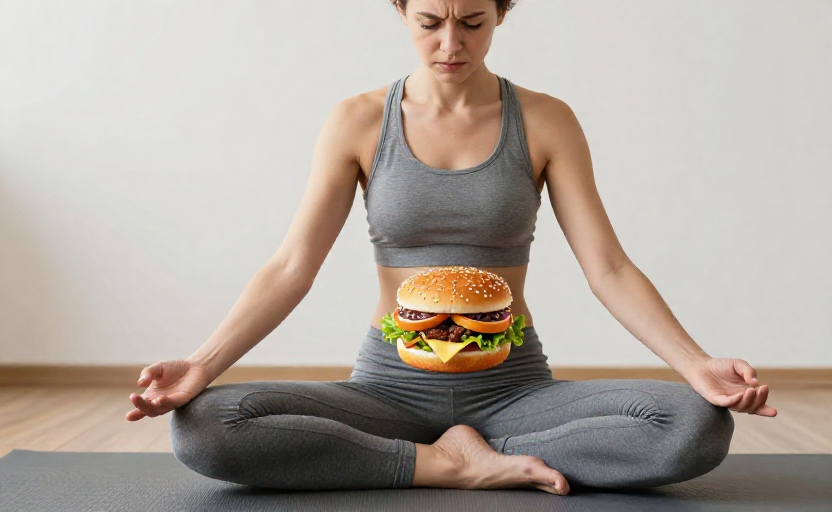
This is the most direct sign. When you move into a seated twist like Ardha Matsyendrasana or a deep forward fold like Paschimottanasana, you should feel a stretch along your spine and the backs of your legs, not compression and discomfort in your abdomen. A snack that is too large, too high in fat, or difficult to digest can sit in your stomach, creating a physical sensation of fullness that makes these core-engaging poses feel restrictive and unpleasant. It’s less about flexibility and more about there simply being too much in the way.
If your twist feels like it's compressing a full balloon rather than wringing out a sponge, your snack is likely the issue.
2. Stiff, unyielding muscles despite a proper warm-up
You've done your cat-cows, your gentle neck rolls, but your hamstrings still feel like tight guitar strings, and your shoulders won't budge in Gomukhasana (Cow Face Pose). While tightness can stem from many sources, dietary inflammation is a key player. Snacks high in refined sugars or processed ingredients can promote low-grade systemic inflammation. This inflammatory response can increase perceived stiffness and reduce the pliability of your connective tissues, making it physiologically harder for your muscles to relax into a stretch. You're not just "cold"—you're fighting a subtle inflammatory response.
3. A scattered mind or sudden energy crash mid-flow
Yoga requires a delicate balance of energy: enough to hold a strong Plank or lift into Warrior III, but not so much that your mind is racing. A snack that causes a rapid spike and subsequent crash in blood sugar (think a sugary granola bar or a sweetened yogurt) can leave you feeling lethargic, shaky, or mentally foggy during your practice. Instead of observing your breath, you're counting the minutes until Savasana. This mental distraction severs the mind-body connection that is the essence of yoga, making your stretches feel mechanical and disconnected.
Building a better pre-yoga snack
The goal isn't to practice on an empty stomach if you're hungry—that can lead to lightheadedness and weakness. The goal is to choose a snack that provides gentle, accessible energy without demanding much from your digestive system. Think of it as a small gift of fuel, not a project for your gut.
Ideal pre-yoga snacks are:
- Light and easy to digest: A small portion that won't weigh you down.
- Primarily carbohydrate-based with a little protein: Carbs are your body's preferred source of quick energy, while a touch of protein can help stabilize the release. Avoid high-fat foods, as fat digests slowly.
- Minimally processed: Whole foods are less likely to cause inflammation or bloating.
Timing matters, too. A general guideline is to have a very small snack 30-60 minutes before practice, or a larger meal 2-3 hours prior. Your own body is the best guide—this is a perfect opportunity for mindful experimentation.
What to reach for instead
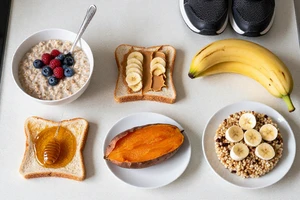
If you need a little something before you practice, consider these simple, body-friendly options:
- A small banana
- A few almond butter-stuffed dates
- A handful of berries
- A small rice cake with a thin spread of avocado
- A quarter cup of oatmeal
Hydration is also a key part of the equation. Sip water consistently throughout the day and have a small drink 20-30 minutes before you start, rather than chugging a large volume right before, which can also cause discomfort.
Your yoga practice is a dialogue with your body. The sensations you feel on the mat—the tightness, the energy, the ease—are messages. By paying attention to how your pre-practice fuel makes you feel, you can make choices that support not just your flexibility, but your entire experience. It’s a simple, yet profound, way to honor the connection between what you consume and how you move through the world.