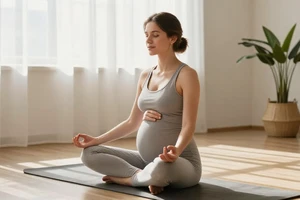

Prenatal yoga is one of the gentlest ways to stay active during pregnancy. It eases lower back tension, opens the hips for labor, and helps you breathe through discomfort. But even gentle movement can cross a line. When relaxin — the hormone that loosens ligaments for childbirth — peaks in the second trimester, your joints become more mobile than usual. That added flexibility can feel like progress, but it also leaves your connective tissue vulnerable.
The goal of prenatal yoga is to support your changing body, not to challenge your range of motion. If you feel a sharp pinch, a grinding sensation, or a persistent ache that lingers after class, your body is signaling that something is off. Here are three specific warning signs that your joints may be straining — and how to adjust before you cause real damage.
1. Sharp or catching pain at the front of the hip
A dull stretch in the groin is common during wide-legged poses like goddess squat or bound angle. But if you feel a sudden, sharp catch deep in the front of the hip joint — especially when lifting your leg or transitioning out of a lunge — you may be overstretching the ligaments that stabilize the pelvis. This type of pain often points to the pubic symphysis or the hip labrum being pulled beyond its safe range.
Quick fix: Reduce your stance width in standing poses and keep your knees stacked directly over your ankles. Avoid deep external rotation until the discomfort fades.
2. Knee instability or popping in standing balance poses
Your knees rely on ligaments that are now looser. If you feel your knee wobble sideways in tree pose or hear a pop when you straighten your leg in warrior II, your quadriceps and hamstrings may not be able to stabilize the joint against the increased laxity. This is especially common if you have hypermobility or a history of knee sprains.
In many prenatal yoga classes, teachers cue a "micro-bend" in the standing leg. This is not just a form cue — it prevents hyperextension that can overstress the posterior capsule of the knee. If your knee feels like it is shifting out of place, use a wall or chair for support until your strength matches your new flexibility.
3. A deep ache in the sacrum or pubic bone that lasts after class
It is normal to feel mild fatigue in the lower back after a session. But a deep, dull ache centered on the tailbone or the pubic bone that persists for hours — or keeps you up at night — is a sign that the sacroiliac joints or the pubic symphysis are inflamed. This happens most often during asymmetrical poses like pigeon or half splits, where one side of the pelvis is driven into extreme range.
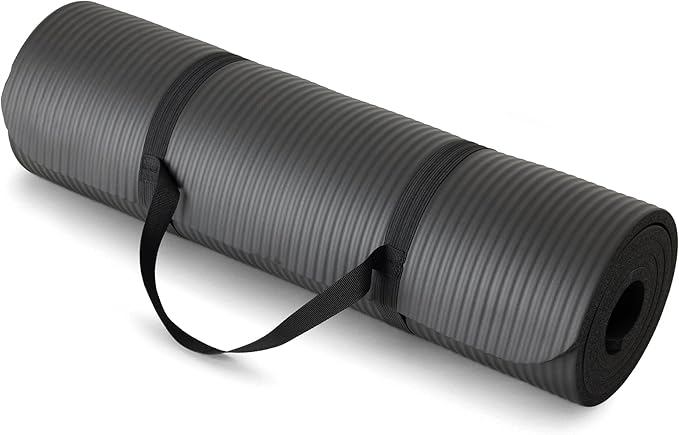
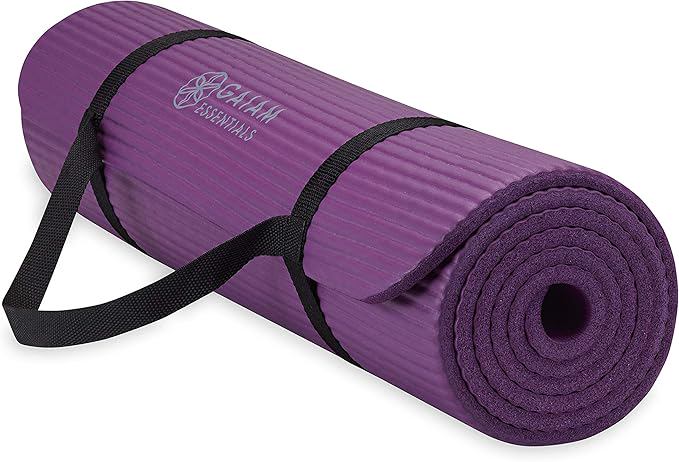
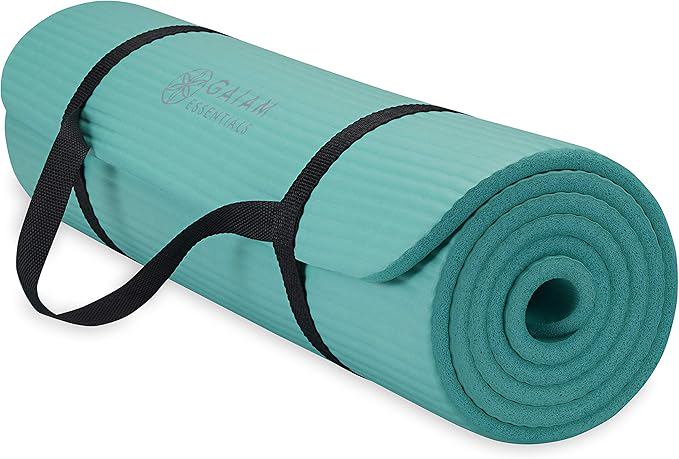
This ache is different from muscle soreness. It feels more like a bone bruise and can radiate into the groin or buttock. If you experience this, limit one-legged poses and keep your pelvis square and stable. Practicing on a softer surface or with more padding under the hips can reduce compression.
When to modify and when to stop
Prenatal yoga should leave you feeling more spacious, not more sore. A useful rule of thumb is the two-hour test: if pain flares up within two hours after practice or the next morning, the movement is too intense for your current joint capacity. Back off by 50 percent in range of motion next time. If the pain returns even with significant modification, skip that pose entirely for at least a week.
You do not need to push through to get the benefits. In fact, maintaining stability is more important than depth during pregnancy. The best prenatal yoga teaches you how to hold a safe container for your baby — not how to stretch farther than you did before.
How to protect your joints for the rest of pregnancy
- Shorten your levers: Keep your hands on your hips or reach only shoulder-height instead of overhead in side bends and lunges.
- Use props actively: Blocks under the hands in triangle pose and a blanket under the knees in tabletop prevent joints from sinking past their stable range.
- Check your hip rotation: When you open into a wide stance, imagine your thigh bones spiraling outward without forcing the knee or ankle to follow.
- Breathe through effort, not through pain: If you have to hold your breath to hold the pose, your joints are likely working too hard.
Your body is already doing the hardest work it will ever do — building another human being. Yoga during pregnancy is not a performance; it is a practice in listening. When you recognize strain in a joint, honor it as information, not as a reason to push harder.