Yoga is widely recommended as a tool for calming the nervous system, but for some people, stepping off the mat can feel anything but peaceful. If you finish a class feeling more wound up than when you started, you’re not imagining it. A surge in anxiety after yoga is a real experience, and it often points to specific physical or neurological responses that are worth paying attention to.
The practice of yoga intentionally stirs the body and mind, which can sometimes unsettle things beneath the surface. The key is learning to distinguish between a temporary emotional release and a sign that something in your approach needs to shift. Below are three clear warning signs that your anxiety is rising after yoga, not easing.
You feel a racing heart or a sense of dread within an hour of finishing
An elevated heart rate during a vigorous flow is normal. What’s not normal is a pounding chest or a sinking feeling of dread that lingers long after savasana. This type of post-yoga agitation often signals that your nervous system stayed in a sympathetic (fight-or-flight) state rather than shifting into the rest-and-digest mode yoga is known to encourage.
One common culprit is breath holding. Many students unconsciously hold their breath during challenging poses or transitions. This subtle oxygen debt can keep the body alert, and once the movement stops, the leftover tension flares as anxiety. Another possibility is that a particular sequence or pose—like backbends or rapid vinyasas—stimulated your adrenal glands more than your parasympathetic system.
A good test: if your heart rate still feels high twenty minutes after your final relaxation, that’s a signal to modify your pace or style in future sessions.
Your mind races or replays stressful events during and after practice
It’s common for thoughts to drift during yoga, but a persistent loop of worry, rumination, or replaying the day’s conflicts is a red flag. When anxiety rises rather than settles, the mind often becomes more active. You might notice that you leave class with a clearer—but louder—mental list of everything that’s stressing you out.
This can happen when a practice is too physically demanding (causing the brain to stay hypervigilant) or when a practice is too quiet and passive for someone with high baseline anxiety. In the silent spaces of a restorative class, an anxious mind can feel unmoored rather than soothed. The result is that you ruminate more, not less.
What helps: If quiet classes leave you spinning, try a more structured style like Iyengar or Anusara, which demand focused alignment cues. The extra direction can give your brain a gentle anchor. If fast vinyasas leave you flooded, slow down and hold poses longer to build a sense of steadiness.
You feel physically jittery, nauseated, or have a tension headache after class
Anxiety doesn’t always feel like fear. Sometimes it shows up as a physical restlessness: shaky hands, a churning stomach, or a tight band of pressure around your forehead. If you experience these symptoms after yoga—especially if they weren’t present before class—your body may be reacting to a combination of overstimulation, dehydration, or an abrupt drop in blood sugar.
Hot yoga and powerful vinyasa classes are the most common triggers. The combination of heat, intense effort, and limited rest can push the body into a state of sympathetic overload. Additionally, if you practiced on an empty stomach or didn’t hydrate well, your blood sugar can dip sharply after class, which mimics anxiety symptoms.
- Hydrate mindfully. Drink water before and after class, not just during. Consider electrolytes if you sweat heavily.
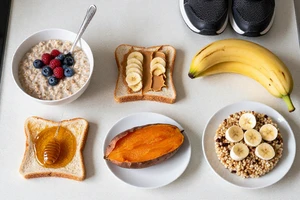
- Eat something small. A banana or a handful of almonds 30–60 minutes before practice can stabilize your blood sugar.
- End with a long savasana. Five minutes may not be enough for an overstimulated system. Aim for ten full minutes of silent, supine rest with deep breathing.
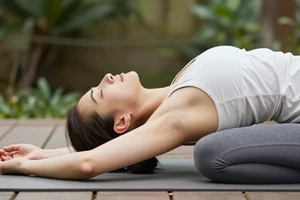
Noticing these warning signs doesn’t mean you should give up yoga. It means your unique nervous system is asking you to adjust how you practice. Try switching to a slower style, reducing duration, or adding more grounding poses like forward folds and legs-up-the-wall at the end. For many people, the issue isn’t yoga itself—it’s the specific style, intensity, or sequence that doesn’t match their current state.
If the pattern persists despite these changes, it’s worth checking in with a healthcare provider. Yoga is a powerful practice, but it’s not a substitute for professional support when anxiety is ongoing.