The number on your scale can be misleading. It doesn't tell you where your body stores fat or what kind of fat it is. Visceral fat—the deep belly fat wrapped around your internal organs—is a hidden health risk that doesn't always show up as a high number on your bathroom scale. Recognizing the warning signs your body gives you is the first step toward protecting your long-term health.
Visceral fat is metabolically active. It releases inflammatory substances and hormones that can disrupt normal bodily functions long before you notice a change in your weight or clothing size. Here are three warning signs that visceral fat may be affecting your health—even if your scale says everything is fine.
1. Your waist circumference is increasing—even if your weight stays the same
You may be maintaining the same weight you've had for years, but if your pants are fitting tighter around your midsection, that's a clear signal. Visceral fat accumulates in the abdominal cavity, pushing your waistline outward. Measuring your waist circumference with a tape measure can reveal trouble that the scale misses.
A waist measurement of 35 inches or more for women and 40 inches or more for men is a strong indicator of excess visceral fat, according to health guidelines.
If your waist is growing while your weight stays stable, it could mean you're losing muscle mass while gaining visceral fat. This happens naturally with age, especially if your physical activity levels drop. Muscle weighs more than fat, so the scale may not budge even as your body composition becomes less healthy. Pay attention to how your clothes fit, not just the number on the scale.
2. You feel constantly tired or have low energy levels
Visceral fat doesn't just sit there—it actively disrupts your body's energy balance. The inflammatory chemicals released by visceral fat can interfere with your cells' ability to use insulin effectively. This is called insulin resistance, and it can leave you feeling drained, especially after meals.
When your cells become resistant to insulin, your body has to work harder to manage blood sugar. This extra effort consumes energy and can lead to persistent fatigue. Many people mistake this exhaustion for aging or stress, but it could be a sign that visceral fat is affecting your metabolic health. If you're eating well and sleeping enough but still feel wiped out, it's worth considering whether abdominal fat might be the underlying issue.
The fatigue from visceral fat isn't just physical—it can affect mental clarity too. Brain fog, difficulty concentrating, and afternoon slumps are common companion symptoms. You might find yourself reaching for caffeine or sugar just to get through the day, which can create a cycle that makes visceral fat worse.
3. You have unexplained blood sugar or blood pressure changes
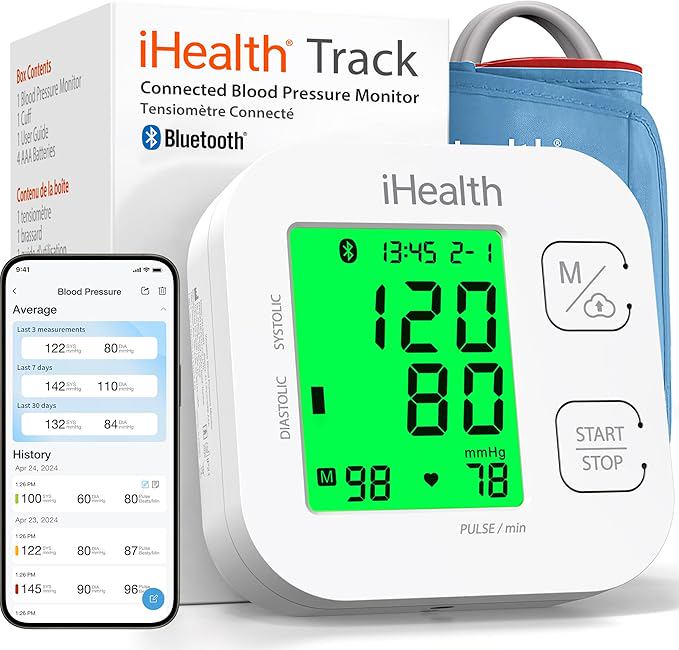
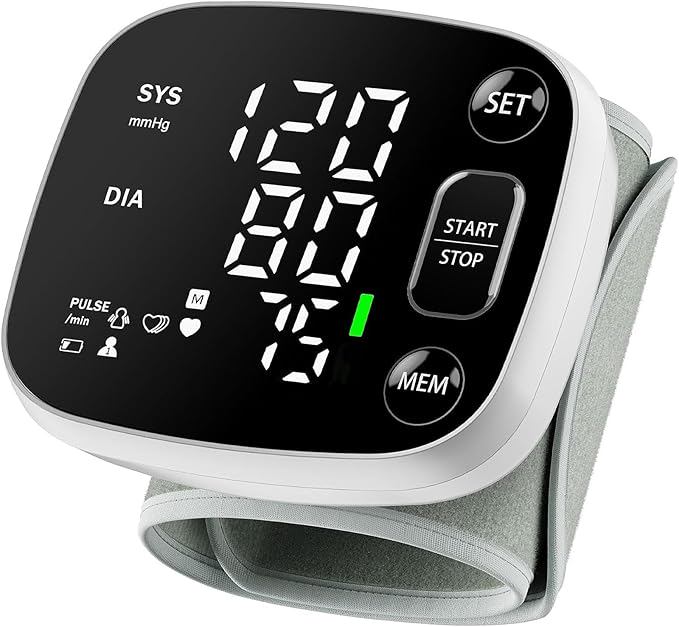
Visceral fat directly impacts two key health markers: blood sugar and blood pressure. Because visceral fat releases inflammatory compounds, it can cause your blood vessels to constrict and become less flexible. This increases your blood pressure. At the same time, the fat cells promote insulin resistance, which makes it harder for your body to keep blood sugar stable.
You might notice these changes during a routine checkup. Your doctor might mention that your blood pressure has crept up, or your fasting blood sugar is now in the prediabetic range. These numbers can change even if your BMI falls in the normal range. That's why waist circumference and body composition matter more than weight alone when assessing visceral fat risk.
A family history of type 2 diabetes or heart disease amplifies these risks. If your numbers are starting to shift—even slightly—it could be a sign that visceral fat is already affecting your internal systems. Early intervention through diet, exercise, and stress management can make a significant difference before these numbers become more concerning.
What you can do about visceral fat
The good news is that visceral fat is more responsive to lifestyle changes than subcutaneous fat (the fat you can pinch under your skin). Regular aerobic exercise, strength training, and a balanced diet rich in fiber, lean protein, and healthy fats can help reduce visceral fat.
Prioritizing sleep and managing stress are equally important. High cortisol levels from chronic stress signal your body to store more visceral fat. Getting seven to nine hours of quality sleep, practicing mindfulness, and staying active can all help lower cortisol and reduce visceral fat over time.
If any of these warning signs resonate with you, consider speaking with a healthcare provider. They can order blood tests to check for inflammation markers, insulin resistance, or other metabolic changes that may indicate visceral fat is affecting your health. Remember, the scale doesn't tell the whole story—your body sends its own signals, and learning to recognize them is a powerful step toward better health.