When you step on the scale and see the number drop, it feels like a victory. But not all weight loss is created equal. The real goal for lasting health and a lean physique isn't just about shedding pounds—it's about losing the right kind of fat. If your plan is missing the mark, you might be losing valuable muscle or water weight while the stubborn, problematic fat sticks around. Recognizing the signs can help you adjust your approach for results that are not only visible but truly transformative for your well-being.
What Is the "Wrong" Kind of Fat to Lose?
To understand if your plan is off-track, it helps to know what you're aiming for. When we talk about fat, we're primarily referring to two types in the context of weight loss: subcutaneous fat and visceral fat.
Subcutaneous fat sits just under your skin—it's the pinchable stuff on your hips, thighs, and belly. While you might want less of it for aesthetic reasons, it's not inherently dangerous. Visceral fat, however, is the deeper fat that wraps around your abdominal organs like your liver and intestines. This is the metabolically active fat linked to increased risks for heart disease, type 2 diabetes, and other health concerns.
The "wrong" kind of fat to target in a plan is lean muscle mass. Muscle is metabolically expensive tissue; it burns calories even at rest and supports your metabolism, strength, and bone health. A plan that causes significant muscle loss is ultimately counterproductive, slowing your metabolism and making it easier to regain fat later.
The scale measures total weight, not composition. Losing muscle while holding onto visceral fat is a common, frustrating pitfall.
Sign 1: The Scale Is Moving, But Your Measurements Aren't
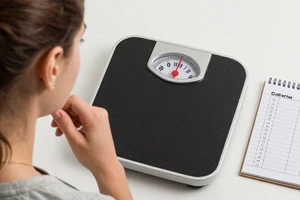
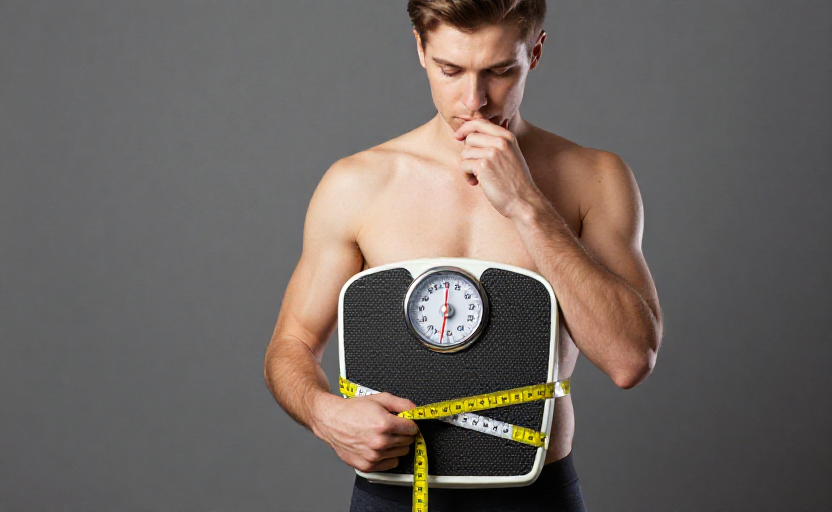
This is often the first and most telling clue. You're diligently following your plan, and the number on the scale is decreasing week after week. Yet, when you take a tape measure to your waist, hips, or thighs, there's little to no change. Your clothes don't fit any differently.
What this typically indicates is a loss of water weight or muscle, not a meaningful reduction in body fat, especially the visceral fat that contributes most to waist size. Rapid, drastic calorie cuts can trigger the body to shed glycogen (stored carbohydrates), and each gram of glycogen holds onto several grams of water. This creates a dramatic initial drop on the scale that has nothing to do with fat loss. Meanwhile, without adequate protein and strength training, your body may start breaking down muscle for energy.
Sign 2: You Feel Consistently Fatigued, Weak, or Sluggish
Healthy fat loss, when supported by good nutrition, should not leave you feeling perpetually drained. If your energy levels have plummeted, your workouts feel impossibly hard, and you're dealing with new aches or a drop in strength, it's a major red flag.
This fatigue and weakness strongly suggest your body is cannibalizing muscle for fuel. Muscle loss directly impacts your functional strength and endurance. Furthermore, losing the wrong kind of fat often comes from a diet that's too restrictive in calories or carbohydrates, leaving you without the steady energy supply your brain and muscles need to function optimally. You might be losing weight, but you're sacrificing your vitality and metabolic engine in the process.
Sign 3: You're Losing Weight Primarily from Your Face, Arms, or Breasts
Where your body loses fat first is largely determined by genetics. However, visceral fat—the kind most tied to health risks—is stored in the abdominal cavity. If you notice your face looking gaunt, your rings becoming loose, or a significant change in your bustline, but your belly, back, and love handles remain stubbornly unchanged, your plan may not be effectively targeting deeper fat stores.
This pattern can indicate you're losing softer subcutaneous fat from extremities while the metabolically risky visceral fat is being preserved. The body holds onto this protective cushion around organs more tenaciously, especially under stress or with poor sleep and an imbalanced diet. A plan focused solely on calorie deficit without the right mix of nutrients, stress management, and sleep won't effectively signal your body to release this deeper fat.
How to Shift Your Plan to Target the Right Fat
If you recognize these signs, don't be discouraged. It's a signal to refine your strategy, not abandon your goals. The key is to focus on body composition—the ratio of fat to muscle—rather than weight alone.
Prioritize Protein and Whole Foods
Ensure every meal contains a solid source of high-quality protein like chicken, fish, eggs, legumes, or tofu. Protein provides the amino acids necessary to repair and maintain muscle tissue, sending a clear signal to your body to preserve lean mass while you're in a calorie deficit. Pair this with plenty of fiber from vegetables, fruits, and whole grains to support gut health and satiety.
Incorporate Strength Training
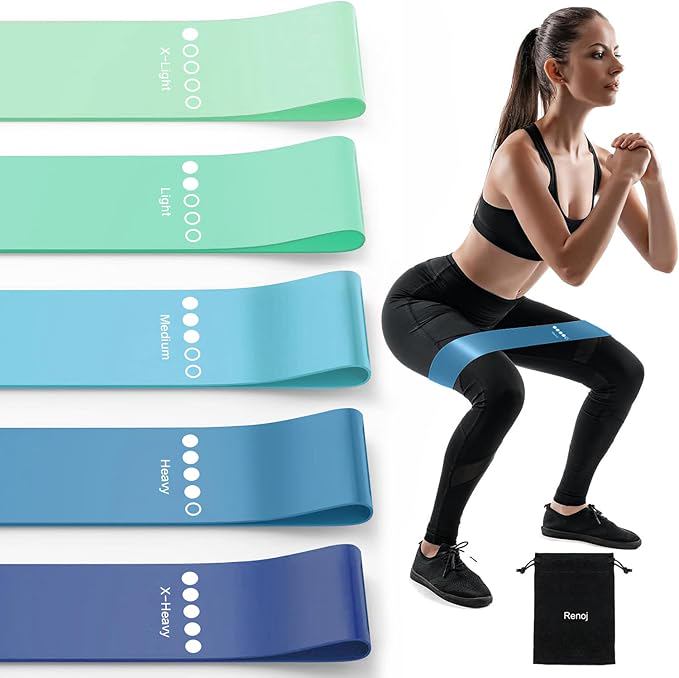
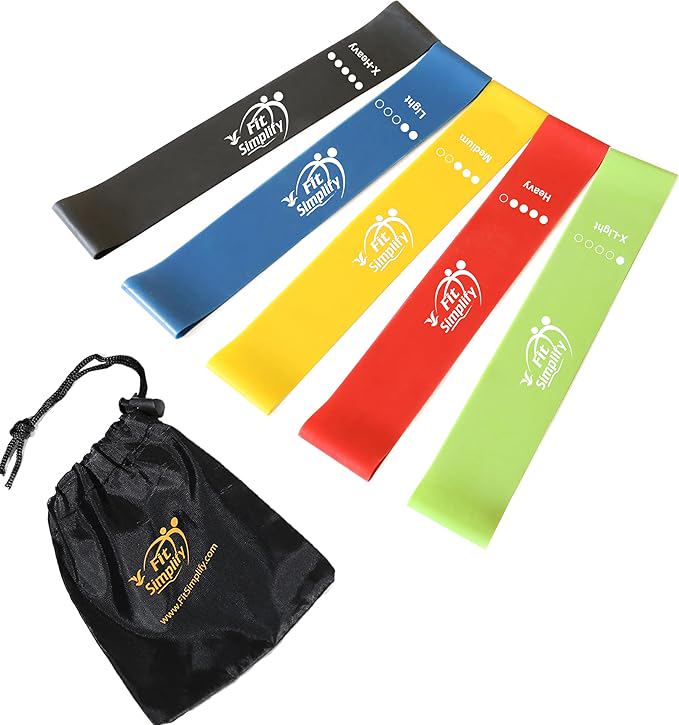
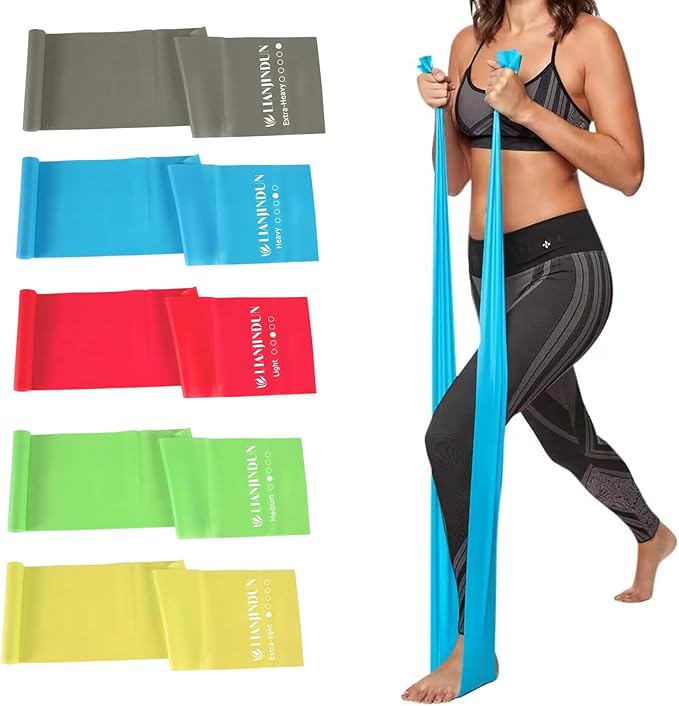
This is non-negotiable for protecting muscle. Resistance training—using weights, resistance bands, or your own bodyweight—creates micro-tears in muscle fibers that your body then repairs, making them stronger. This process requires energy and tells your body that this muscle is essential and should be kept. Aim for at least two sessions per week targeting all major muscle groups.
Manage Stress and Prioritize Sleep
High levels of the stress hormone cortisol can promote the storage of visceral fat and the breakdown of muscle. Chronic sleep deprivation disrupts hunger hormones (increasing ghrelin, decreasing leptin) and raises cortisol. Practices like mindful breathing, walking in nature, and ensuring 7-9 hours of quality sleep per night are powerful, underrated tools for healthy fat metabolism.
Ultimately, a sustainable weight loss plan is a health-promoting plan. It should leave you feeling energized, strong, and in tune with your body, not depleted and frustrated. By looking beyond the scale and paying attention to these deeper signals, you can steer your efforts toward losing the fat that matters most for your long-term health and leaving the metabolically precious muscle right where it belongs.