
When you’re trying to lose weight, portion size can feel like a guessing game. But the way you portion your food doesn’t just affect the number on the scale—it can actually steer your body toward storing fat in specific places, particularly around your midsection. If you’ve been working hard but noticing your waistline isn’t shrinking the way you’d expect, your plate might be telling a different story than your goals.
Here are three telltale signs that your portion sizes are working against total fat loss by encouraging belly fat storage.
1. Your plate is heavy on refined carbs and light on protein
One of the most common portion mistakes is loading up on starches like white rice, pasta, bread, or sugary snacks while skimping on protein and fiber-rich vegetables. When you consistently eat large portions of refined carbohydrates, your body releases more insulin to manage the blood sugar spike. Insulin is a storage hormone, and when levels stay high, your body is more likely to store fat—especially visceral fat deep in the abdomen.
The fix: Instead of making grains the star of your meal, aim to fill half your plate with non-starchy vegetables, a quarter with lean protein, and a quarter with complex carbohydrates like quinoa, sweet potatoes, or legumes. This simple swap shifts your body’s hormonal response toward fat burning instead of fat storage.
2. Your portions of healthy fats are too large
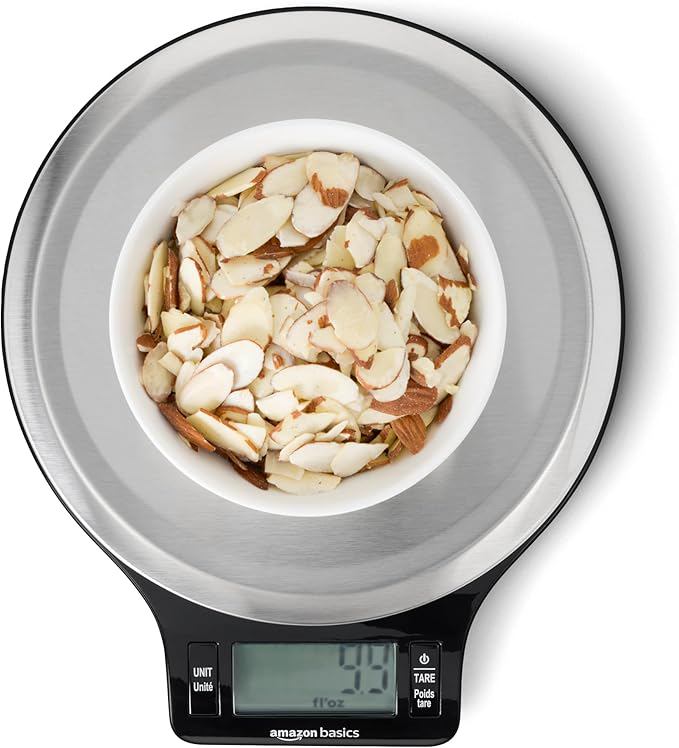
Yes, healthy fats from sources like avocados, nuts, seeds, and olive oil are essential for hormone function and satiety. But they are also calorie-dense. A portion of almonds, for example, is about 23 nuts—not an entire bowl. When you consistently eat large portions of high-fat foods without accounting for their calorie density, you can easily create a surplus that encourages belly fat accumulation, even if the fats themselves are “good.”
A good rule of thumb: one serving of fat should be about the size of your thumb or a golf ball. Anything larger may quietly push you past your energy needs.
This is especially important if you’ve added more fat to your diet for satiety or taste, but aren’t reducing other calories to compensate. Fat doesn’t spike insulin the way carbs do, but a calorie surplus from any source can lead to fat gain, and abdominal fat storage is often the first place your body turns when it has extra energy to store.
3. You’re eating portions that are too small—yes, really
Undereating can backfire just as much as overeating. When you consistently eat too few calories, your body perceives a famine state. It responds by lowering your metabolic rate and conserving energy, often by holding onto fat stores—especially stubborn visceral fat around the belly. You might also lose muscle mass, which further slows metabolism and makes it harder to achieve a lean, toned look.
Warning signs: Feeling cold often, low energy, poor sleep, or constant cravings are clues that your portion sizes are too restrictive. When you finally eat, the body may overcompensate by storing more fat in the abdomen due to hormonal shifts, including elevated cortisol from the stress of chronic undereating.
The goal isn’t to eat as little as possible—it’s to eat enough to fuel your body while maintaining a moderate, sustainable calorie deficit. That usually means eating meals that leave you satisfied but not stuffed, with balanced portions of protein, fat, and fiber at each meal.
If you recognize any of these patterns, the answer isn’t to obsess over grams or measuring cups. Instead, start paying attention to how your portions make you feel an hour after eating. Do you feel sluggish, bloated, or still hungry? Those signals can tell you more than any app can. Portion control isn’t about deprivation—it’s about aligning what’s on your plate with what your body actually needs for steady, total-body fat loss.