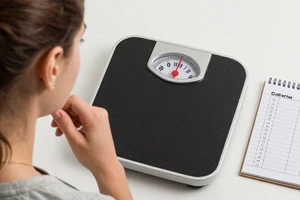
When you step on the scale and don't like the number, the usual suspects are diet and exercise. But there's a third factor that often gets overlooked, even though it can quietly sabotage your efforts: sleep. It's not just about feeling tired. Research increasingly shows that the length and quality of your sleep can directly influence where your body stores fat and how much of it you hold onto. Here are three signs that poor sleep might be changing your body composition in ways that go beyond what the scale shows.
1. Your belly seems to be growing despite eating well
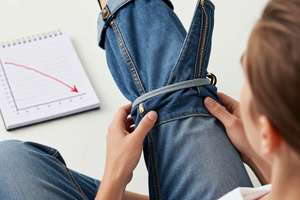
You're sticking to your meals and getting to the gym, but your midsection is stubbornly expanding. This could be a signal from your sleep-deprived body that something physiological is off. When you don't get enough rest, your cortisol levels—the primary stress hormone—tend to rise. Elevated cortisol encourages the body to store fat, particularly visceral fat in the abdominal area. This isn't superficial belly fluff; it's the deep fat wrapped around your organs, the kind most linked to metabolic issues. So if your waist circumference is increasing but your eating habits haven't changed, look at your sleep routine before you blame your diet.
2. You crave carbs and sugar more than usual
Ever notice that after a bad night's sleep, you reach for a bagel, a candy bar, or a bowl of pasta with almost magnetic pull? That's biology, not weak willpower. Sleep deprivation disrupts the balance of two key hormones that control hunger: ghrelin and leptin. Ghrelin, which makes you feel hungry, goes up. Leptin, which signals fullness, goes down. Your brain also craves quick energy in the form of simple carbohydrates. This hormonal shift makes it harder to say no to high-calorie, processed foods, and over time, those extra calories get stored as fat. If your cravings have grown intense, poor sleep could be driving the bus.
3. You're losing muscle despite training consistently
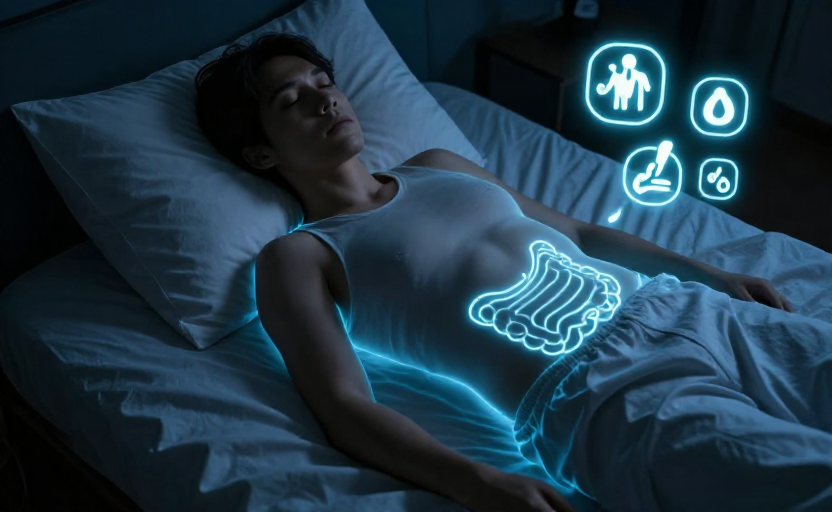
Muscle is metabolically active tissue that helps you burn more calories at rest. But muscle isn't built in the gym—it's repaired and built during deep sleep. When you're not sleeping enough, your body produces less human growth hormone (HGH), which is essential for muscle repair and fat metabolism. Plus, high cortisol from poor sleep can break down muscle tissue for energy, which is counterproductive if you're trying to get lean. If you notice your strength gains are stalling or your body composition is shifting toward a higher fat-to-muscle ratio even as you lift, your sleep might be the missing link.
These three signs don't mean you need to panic or overhaul your entire life overnight. But they do mean that if your sleep is chronically poor, it's worth treating it as a priority equal to diet and exercise. Small changes like keeping a consistent bedtime, reducing screen exposure before bed, and winding down without alcohol can help regulate these hormones and support a healthier body composition.