
You know the feeling: two days after a tough workout, you wince getting out of a chair or reaching for a high shelf. That delayed muscle soreness, often called DOMS, is a sign your muscles are repairing and adapting. While you can’t completely avoid it, what you eat in the hours before you exercise can make a real difference in how stiff you feel afterward. The right pre-workout meal primes your body for repair, reduces inflammation, and helps flush out metabolic waste. Here are three pre-workout meals designed to help you move more freely the next day.
1. The Anti-Inflammatory Smoothie
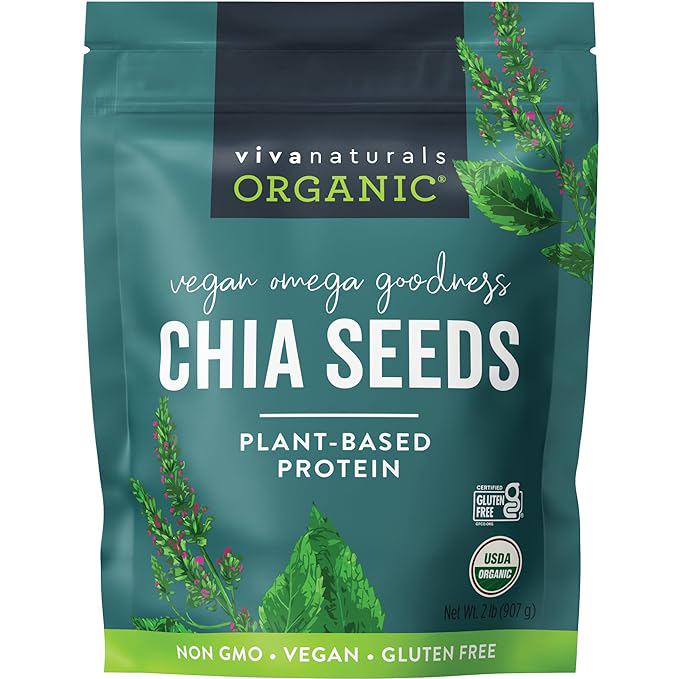
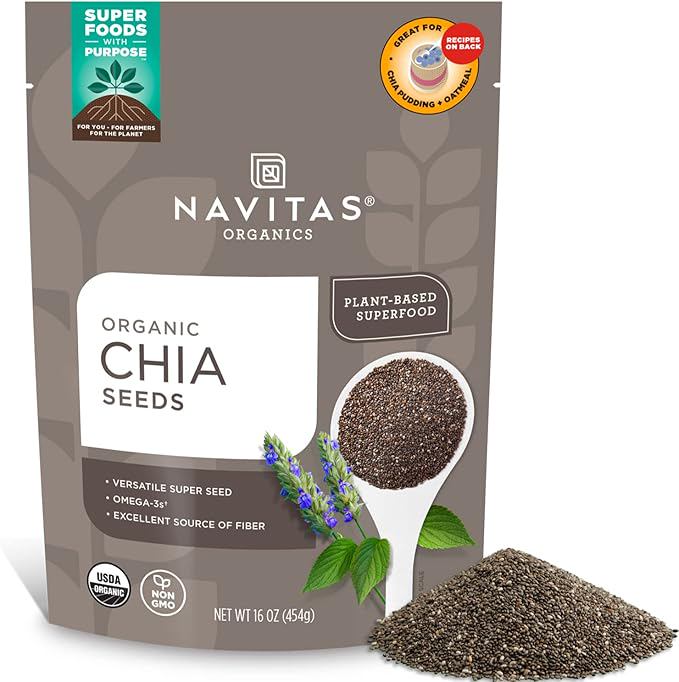
This meal works best about 60–90 minutes before your workout. A smoothie is easy to digest and gives you a chance to pack in compounds that fight inflammation at the cellular level. Start with a base of unsweetened almond milk or low-fat kefir for protein and probiotics. Add a handful of spinach for antioxidants, half a cup of frozen tart cherries (a well-researched source of anthocyanins that reduce muscle soreness), a tablespoon of chia seeds for omega-3s, and a scoop of vanilla or unflavored protein powder. The tart cherries and chia seeds work together to lower oxidative stress, while the protein provides amino acids that kickstart muscle repair before you even finish your set. Blend until smooth and drink it slowly—your stomach will thank you during high-intensity intervals.
2. Salmon and Sweet Potato Bowl
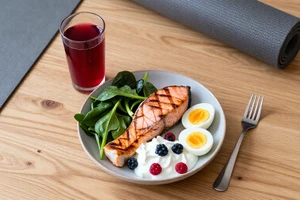
If you have two to three hours before your workout, a solid meal with healthy fats and complex carbs sets you up for less stiffness later. Bake or pan-sear a 4-ounce portion of wild salmon (rich in omega-3 fatty acids, which help curb post-exercise inflammation), and pair it with half a medium sweet potato roasted with a drizzle of olive oil and a pinch of turmeric and black pepper. Add a side of steamed broccoli or arugula. The sweet potato provides steady glycogen release without a blood sugar spike, while turmeric’s curcumin (enhanced by black pepper) acts as a natural anti-inflammatory. This meal is substantial but not heavy—your digestive system will be done with the bulk of the work by the time you hit the gym floor.
3. Oatmeal with Berries and Walnuts
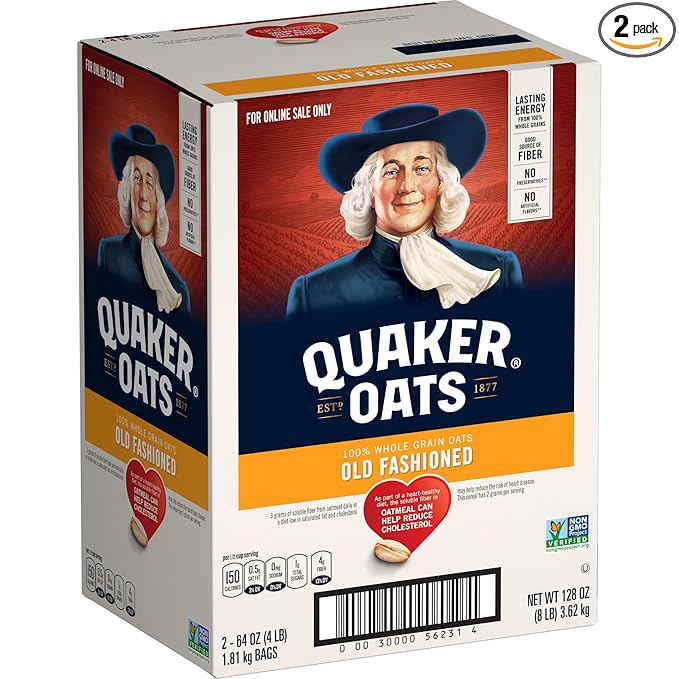
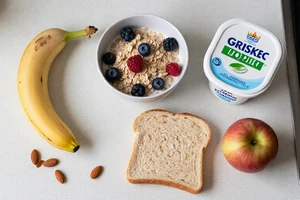
For morning exercisers or anyone who prefers a lighter option one hour before activity, oatmeal is a classic for good reason. Use rolled oats (not instant) cooked in water or milk, then stir in a handful of fresh or frozen blueberries and raspberries, plus a tablespoon of chopped walnuts. The berries deliver flavonoids that improve blood flow and reduce muscle damage markers, while walnuts add plant-based omega-3s (ALA) that help temper the inflammatory response. A dollop of plain Greek yogurt on top adds casein protein, which digests slowly and provides a steady supply of amino acids to your muscles during and after your workout. Keep the portion moderate—about half a cup of dry oats—to avoid feeling sluggish.
All three of these meals share a common theme: they combine a lean protein source with anti-inflammatory ingredients and slow-digesting carbohydrates. That triple combination helps stabilize blood sugar, reduces oxidative stress, and gives your muscles the raw materials they need to repair quickly. Experiment with timing and portion sizes based on your own digestion, and you’ll likely notice that the second-day soreness becomes a duller, shorter-lived companion.
What If You Eat Too Close to Exercise?
Timing matters. If you eat a full meal less than 30 minutes before exercise, blood flow shifts toward digestion and away from working muscles, which can lead to cramps, sluggishness, and even nausea. That digestive stress can also increase systemic inflammation, potentially making stiffness worse. Aim for at least 90 minutes between a substantial meal and your workout, or 45–60 minutes for a small snack like half a banana with a handful of almonds.
Hydration: The Overlooked Factor
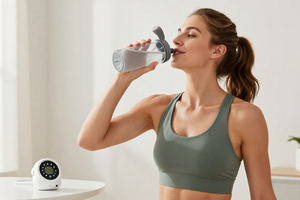
Dehydration amplifies muscle stiffness. When you’re even slightly dehydrated, your muscles receive less oxygen and accumulate more metabolic waste like lactic acid. Pair your pre-workout meal with water or an electrolyte drink (unsweetened coconut water works well). Sip steadily in the two hours before exercise, not all at once.
“Think of your pre-workout meal as fire prevention, not firefighting. It’s about giving your body the tools to handle stress before it happens.”
Ultimately, the best pre-workout meal is one that feels right for your body—and one that you’ll actually prep consistently. Whether you’re blending tart cherries with chia, baking salmon with turmeric, or stirring berries into oatmeal, each of these options helps dial down the inflammation and muscle stiffness that can sideline you after a good workout. Your next-day self will thank you when you stand up from your desk without groaning.