
You have your gym bag packed, your playlist ready, and you are determined to get through a full weightlifting session. But twenty minutes in, your energy suddenly drops, your grip feels weak, and your legs start to wobble. That familiar sinking feeling—the energy crash—is a common roadblock for beginners. The good news? What you eat before you lift can make all the difference.
Pre-workout nutrition does not need to be complicated or involve a cabinet full of supplements. For beginners, the goal is simple: provide steady fuel that digests easily and sustains your energy from the first warm-up set to your last rep. The wrong choices—like a heavy, fatty meal or a sugary snack—can leave you feeling sluggish or send your blood sugar on a roller coaster. Here are three straightforward pre-workout meals designed to keep your energy stable and your lifting consistent.
Why beginners are prone to energy crashes
When you are new to weightlifting, your body is still adapting to the demands of resistance training. Your muscles are learning to recruit fibers efficiently, and your energy systems are not yet optimized for explosive or sustained effort. A common mistake is eating too little or eating the wrong balance of nutrients. A meal that is too high in fat or fiber can slow digestion, leaving blood shunted to your stomach instead of your working muscles. A meal that is too high in simple sugar can spike your blood glucose, leading to a rapid drop—the classic crash—midway through your session.
The solution is a balanced pre-workout meal that combines moderate carbohydrates for quick energy, a small amount of protein for amino acid availability, and minimal fat to keep digestion quick. Timing also matters: aim to eat about 60 to 90 minutes before lifting to allow for partial digestion.
1. Banana with peanut butter on whole-grain toast
This is a go-to for a reason. A medium banana provides easily digestible carbohydrates, including natural sugars and a small amount of fiber. Pairing it with a thin layer of peanut butter adds a few grams of protein and healthy fat to slow the release of energy. The whole-grain toast offers complex carbs that provide a steady glucose supply.
Why it works for beginners: it is simple, portable, and unlikely to cause stomach upset. The banana alone can give a quick lift, but the toast and peanut butter help sustain that energy through a 45-minute lifting session. Stick to one slice of toast and about one tablespoon of peanut butter to keep portions light.
Tip: Choose natural peanut butter without added sugar or hydrogenated oils. If you have a nut allergy, sunflower seed butter or a thin spread of almond butter works just as well.
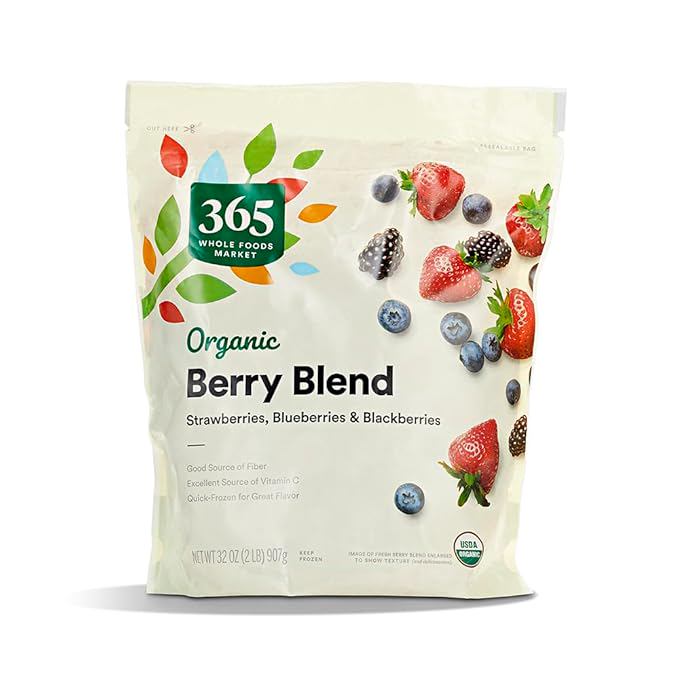
2. Greek yogurt with berries and a drizzle of honey
Greek yogurt is higher in protein than regular yogurt, which helps provide a steady stream of amino acids to your muscles during your workout. Berries—fresh or frozen—add antioxidants and natural sweetness without overwhelming your digestive system. A small drizzle of honey provides a quick carbohydrate source that your body can use almost immediately.
Why it works for beginners: this meal is gentle on the stomach and can be eaten closer to your workout if needed—even 45 minutes before lifting. The protein in the yogurt also helps reduce muscle breakdown during exercise, which is especially helpful if you are lifting in a slight calorie deficit.
Keep the portion to about three-quarters of a cup of yogurt, half a cup of berries, and one teaspoon of honey. If you find dairy heavy, lactose-free Greek yogurt is widely available and works just the same.
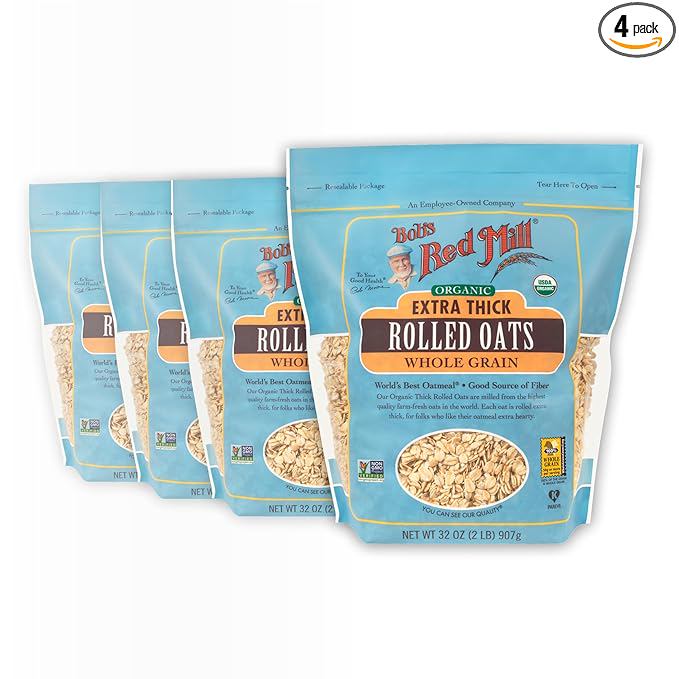
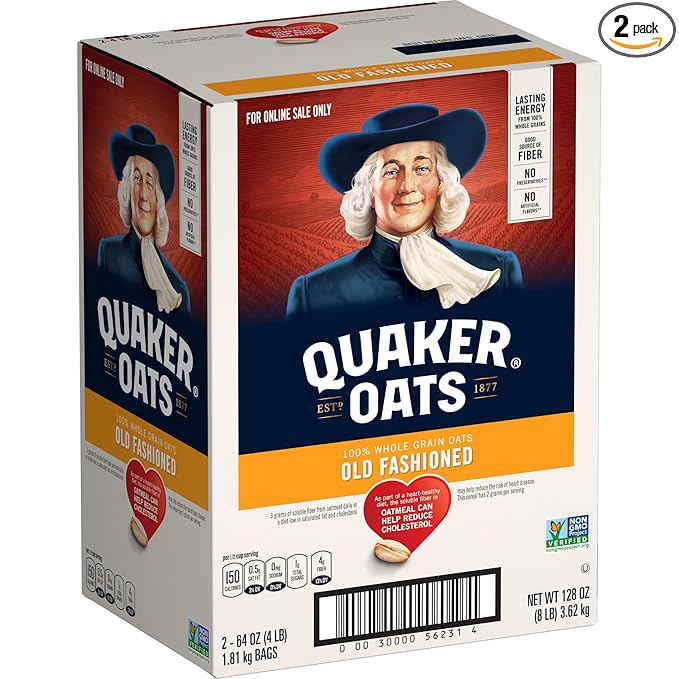
3. Oatmeal with sliced almonds and a scoop of protein powder
Oatmeal is a classic pre-workout carb source because its beta-glucan fiber provides a slow, steady release of energy. Adding sliced almonds introduces a small amount of healthy fat and a bit of texture, while a half-scoop of vanilla or unflavored protein powder boosts the protein content without making the meal too heavy.
Why it works for beginners: oatmeal is filling without being greasy, and it helps prevent that hollow, hungry feeling that can distract you during your set. The protein powder adds a muscle-supporting element, but if you do not use protein powder, a tablespoon of chia seeds or an extra splash of milk will still round out the meal. Make your oatmeal with water or low-fat milk to keep the fat content low.
Note on preparation: Avoid instant oatmeal packets with added sugar. Plain rolled oats cooked with a pinch of salt give you cleaner energy. If you are short on time, overnight oats made the night before work perfectly—just leave out any heavy add-ins like nut butters or high-fiber seeds that might slow digestion too much.
Common pre-workout mistakes that cause crashes
Even with the right meal, timing and choices can trip you up. Here are a few pitfalls to avoid:
- Skipping the meal altogether: Lifting on an empty stomach often leads to early fatigue and lightheadedness, especially if you are new to weight training.
- Eating too close to your workout: A full meal eaten 15 minutes before lifting can cause cramping, nausea, and sluggishness. Give yourself at least 45 minutes.
- Relying on caffeine alone: A pre-workout coffee can sharpen focus, but it is not a substitute for real food. Without carbohydrates, your energy reserves will run out quickly.
- Choosing high-fat or high-fiber foods: Fried foods, heavy cheese, or large portions of beans and broccoli take hours to digest and can leave you feeling heavy.
When and how to eat for best results
Experiment with timing and portion sizes during non-training days or light cardio sessions before you commit to your pre-workout routine on heavy lifting days. Everyone digests differently. Some beginners feel best eating a full meal 90 minutes before; others prefer a smaller snack at 45 minutes. Listen to your body.
Hydration also plays a role in energy crashes. Even mild dehydration can mimic the feeling of low blood sugar. Drink water steadily throughout the day and have a few sips in the hour before you lift. A large glass right before you start can lead to sloshing and discomfort.
These three meals are starting points, not rigid rules. Over time, you will learn which combinations give you steady, reliable energy. Aim for a balance of mostly carbohydrates, moderate protein, and low fat, and you will set yourself up for a successful, crash-free lifting session.