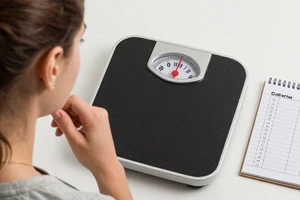

The connection between late-night eating, sleep quality, and body composition is often underestimated. While many focus solely on daytime calorie intake, what you drink before bed can quietly undo your efforts. Certain beverages, even if they seem harmless, can interfere with your body's natural overnight fat-burning processes and keep you from deep, restorative sleep.
The idea is simple: sleep is a critical period for metabolic regulation, and specific compounds in common drinks can disrupt that balance. When sleep is poor, your body's fat-burning mechanisms slow down, appetite hormones become skewed, and fat loss can stall. This isn't about a single slip-up; it's about a consistent pattern of evening choices. Below are three categories of drinks that research suggests are best left on the counter if you're serious about sleep and body composition, along with practical swaps that can support your goals.
1. High-Caffeine Beverages: More Than Just Afternoon Coffee
Caffeine is a well-known stimulant that can block adenosine, the neurotransmitter that promotes sleep. The metabolism of caffeine varies greatly between individuals, but its half-life means it can linger in your system for several hours. A standard cup of coffee at 8 p.m. may still be at half strength at midnight, which is often enough to delay sleep onset, reduce slow-wave sleep, and decrease total sleep time.
The problem isn't just coffee. Other sources like black tea, green tea, soda, and energy drinks pack enough caffeine to cause issues. Even chocolate-based drinks can contain small amounts of caffeine and theobromine, another mild stimulant. Poor sleep also impairs insulin sensitivity and raises cortisol, both of which can oppose fat loss. If you need something warm in the evening, try roasted chicory root tea or chamomile. Both are free of caffeine and offer a comforting ritual without the metabolic downside.
2. Alcoholic Drinks: The Disrupted Sleep Cycle
Alcohol might feel relaxing at first, but it is a significant disruptor of sleep architecture. While it can shorten the time it takes to fall asleep, it suppresses rapid eye movement (REM) sleep and increases the number of nighttime awakenings. Alcohol also has a diuretic effect, which can lead to disrupted sleep from middle-of-the-night bathroom trips.
From a metabolic standpoint, alcohol is processed differently than other calories. Your body treats it as a priority fuel source to clear it from the system, which temporarily halts the breakdown of stored fat. A single drink can delay this process for hours. The combination of fragmented sleep and slowed fat burning creates a double-edged effect that stalls fat loss. Consider swapping a nightcap for a small glass of tart cherry juice (without added sugar) or a probiotic-rich kombucha that is low in sugar. Tart cherry juice has some evidence for improving sleep duration and quality due to its natural melatonin content.
3. Sugary Drinks and Artificial Sweeteners: The Fat-Storage Signal
Liquid sugar, whether from soda, sweetened iced tea, or juice, is rapidly absorbed into the bloodstream. This causes a spike in blood glucose and insulin, a hormone that promotes fat storage and can inhibit fat breakdown. A high-sugar drink before bed can keep insulin elevated during the first half of the night, directly interfering with the nighttime lipolysis (fat burning) that normally occurs.
Artificial sweeteners, once thought to be harmless, may also play a role. Some research suggests they can disrupt the gut microbiome, alter glucose tolerance, and even confuse the body's hormonal signaling around appetite. While individual responses vary, the safest bet for weight management is simply water. If you crave flavor, try adding a splash of unsweetened cranberry juice to sparkling water, or sip warm water with lemon and a pinch of cinnamon.
A simple swap: replace nightly sugary drinks with plain or sparkling water, herbal tea, or a small glass of tart cherry juice.
Practical Steps for an Evening Routine
Changing a habit is rarely about perfection. It's about creating a new default. Start by assessing what you actually drink in the two to three hours before bed. Keep a glass of water on your nightstand as a replacement. If you crave a warm beverage, explore the wide world of herbal infusions—peppermint, ginger, rooibos, or lemon balm. Not only do these drinks lack stimulants, but many offer mild relaxation benefits.
Timing matters. Aim to finish any significant fluid intake about 60–90 minutes before lights out. This helps avoid nighttime bathroom breaks while still keeping you hydrated. Combining these drink choices with good sleep hygiene—like a consistent bedtime, a cool dark room, and limited screen time—can compound the benefits for both your sleep quality and your fat-loss efforts.
How Sleep and Fat Loss Work Together
Sleep and fat loss are biologically intertwined. During deep sleep, the body repairs tissue, regulates hormones like ghrelin and leptin that control hunger, and performs critical metabolic functions. When sleep is fragmented or short, ghrelin climbs and leptin falls, making you feel hungrier the next day. You also tend to reach for high-energy foods to compensate for low energy. Over time, this cycle leads to weight gain even if you're exercising regularly.
The three drink categories above each disrupt this cascade. Caffeine delays sleep onset. Alcohol fragments the sleep cycle. Sugary drinks spike insulin. Cutting them out—or at least reducing them—can create an environment where your body can optimally burn fat overnight and wake up ready for a productive day.