You show up on your mat, move through your sun salutations, hold your warrior poses, and leave class feeling centered but maybe a little frustrated. The scale hasn't budged, and the yoga you love doesn't seem to be helping your weight loss efforts as much as you'd hoped. Many practitioners find themselves in this exact spot—consistently practicing yet feeling stuck.
The missing piece might not be in your practice but on your plate. What you eat before class can shift how your body uses energy, how steady your blood sugar stays, and how well you can push through that last vinyasa. Here are three expert-backed pre-yoga foods that can help reignite your metabolism and get weight loss moving again.
Why pre-yoga nutrition matters for weight loss
When we talk about weight loss and yoga, the conversation often skips straight to calories burned. But the real leverage point is metabolic efficiency. Eating the wrong thing—or nothing at all—before a morning or afternoon practice can leave you fatigued, craving sugar post-class, or with low blood sugar that triggers overeating later. A strategic pre-yoga snack does two things: it fuels your performance so you work harder (and burn more), and it stabilizes your energy so you don't crash afterward.
Banana with a tablespoon of almond butter
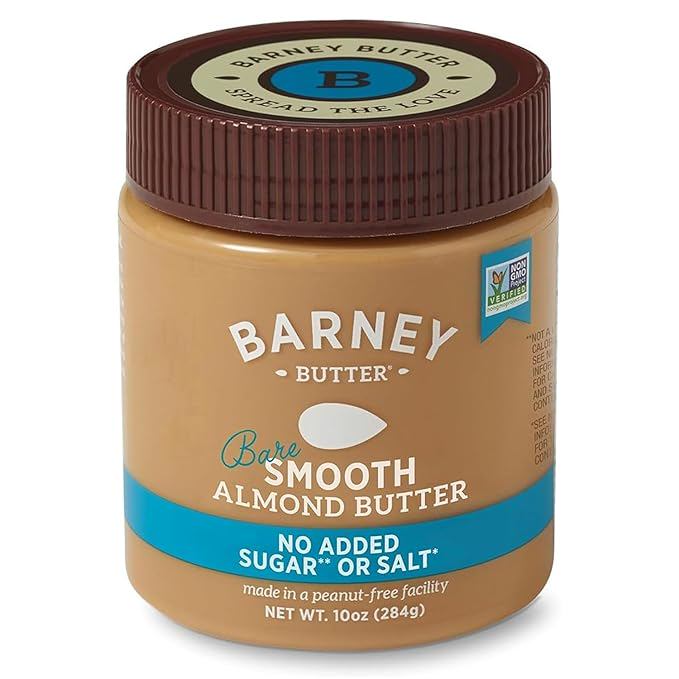
This classic pairing is a favorite among yoga nutritionists for good reason. A medium banana provides roughly 25 grams of carbohydrates in the form of natural sugars and resistant starch. Resistant starch is particularly helpful for weight loss because it feeds beneficial gut bacteria, which can improve insulin sensitivity and reduce fat storage. The almond butter adds healthy monounsaturated fats and a small amount of protein—about 3.5 grams per tablespoon—which slows digestion and prevents the blood sugar spike-and-crash cycle.
The expert tip: Eat this 30 to 45 minutes before class. It digests quickly enough to avoid heaviness during twists and forward folds but provides sustained energy for a 60-minute flow.
How it helps weight loss
The combination of steady blood sugar and gut-healthy starch directly addresses two common weight loss plateaus. Steady blood sugar means fewer cravings for simple carbs after class. Improved insulin sensitivity means your body is more efficient at using fat for fuel during exercise, including your yoga practice.
Plain Greek yogurt with a handful of berries
Greek yogurt is rich in protein—around 15 to 20 grams per serving—which increases satiety and supports muscle repair. Muscle tissue burns more calories at rest than fat tissue, so preserving or building lean muscle through yoga (especially power vinyasa or hot yoga) supports a higher resting metabolic rate. Berries contribute fiber and antioxidants without flooding your system with sugar. The fiber slows down the digestion of the yogurt's lactose, creating a steady release of amino acids into your bloodstream.
The expert tip: Choose plain, unsweetened yogurt. Flavored yogurts often contain added sugar that can spike your glucose before you even step on the mat. If you need sweetness, mash a few berries into the yogurt yourself.
How it helps weight loss
High-protein pre-workout meals have been shown to increase post-exercise energy expenditure—the calories you burn after you've finished moving. This 'afterburn' effect matters for yoga because while a standard class may not spike your heart rate as much as a run, a protein-rich pre-load can amplify the metabolic benefits for hours after you've rolled up your mat. Also, the probiotics in yogurt support a healthy gut microbiome, which is increasingly linked to weight regulation.
Oats cooked with chia seeds and cinnamon
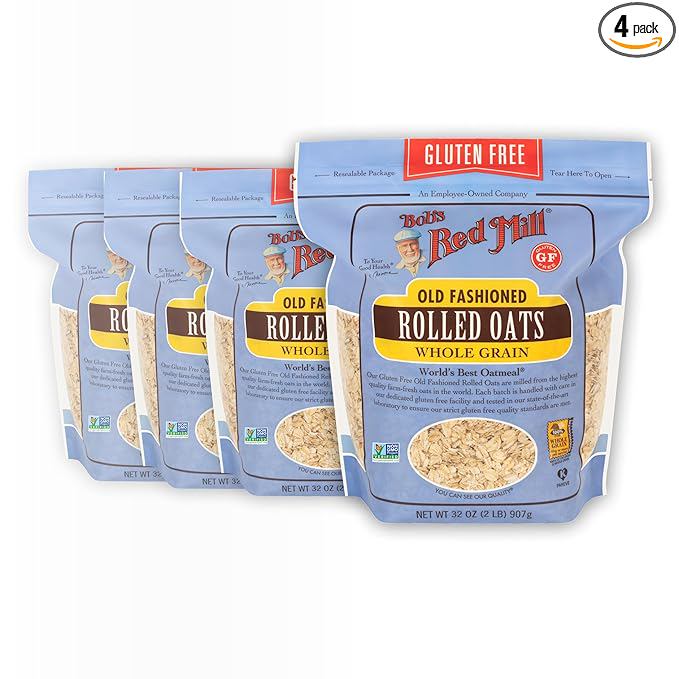
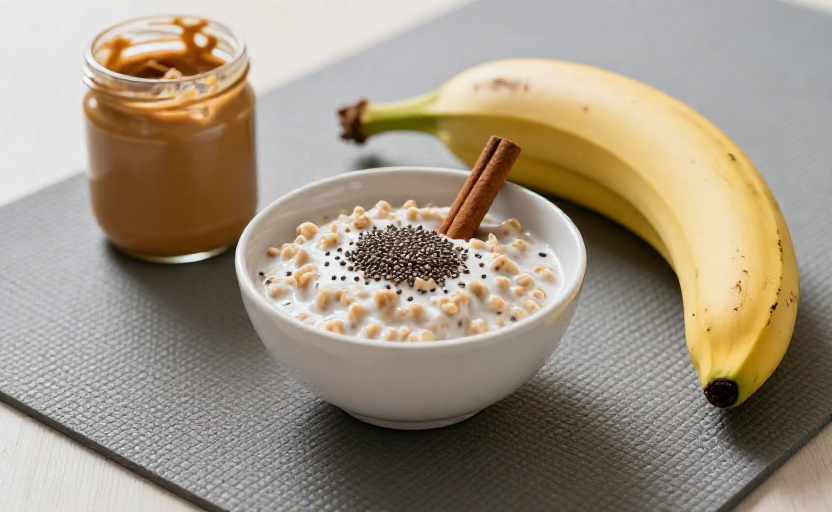
A small serving of rolled oats (about a quarter-cup dry) provides complex carbohydrates that your body digests slowly. Chia seeds add soluble fiber and omega-3 fatty acids, which can reduce inflammation—a known barrier to weight loss. Cinnamon has been studied for its ability to lower post-meal blood glucose and improve insulin sensitivity. This is not a heavy, sugary bowl of oatmeal; it's a targeted pre-workout fuel.
The expert tip: Prepare it with water or unsweetened plant milk, skip the brown sugar, and let the cinnamon provide natural sweetness. Eat it about an hour before practice to allow for digestion.
How it helps weight loss
The soluble fiber from both oats and chia seeds forms a gel in your digestive tract that slows the absorption of carbohydrates. This means your brain receives a steady supply of glucose throughout your practice, which can help you maintain focus and push deeper into poses. Less hunger during and after class translates directly to consuming fewer calories overall. The anti-inflammatory effect of the omega-3s and cinnamon also supports hormonal balance, particularly cortisol regulation—important because high cortisol levels are associated with stubborn abdominal fat storage.
None of these foods is a magic bullet on its own. They work as part of a consistent practice and a balanced overall diet. What they do is solve a specific problem: the metabolic stall that happens when your pre-yoga fuel works against you. Start with one of these options before your next class, pay attention to how your body feels during the flow and for the hours afterward, and you may find the shift you've been looking for.