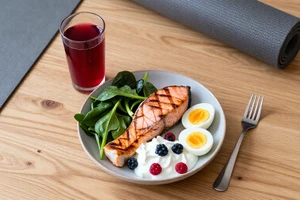

Starting a new workout routine is a win for your health, but it often comes with an unexpected side effect: knee pain. For beginners, that dull ache or stiffness in the knees is usually a sign that your muscles and joints are adapting to new demands. While rest and proper form are crucial, what you put on your plate can also play a supporting role.
Inflammation is a natural part of the muscle-repair process, but when it flares up around the knee joint, it can slow recovery and keep you sidelined. The goal isn't to mask pain with food, but to give your body the raw materials it needs to manage inflammation efficiently. Below are three foods that may help your knees feel better after a beginner workout, backed by nutritional science and practical use.
1. Fatty Fish (Salmon, Mackerel, Sardines)
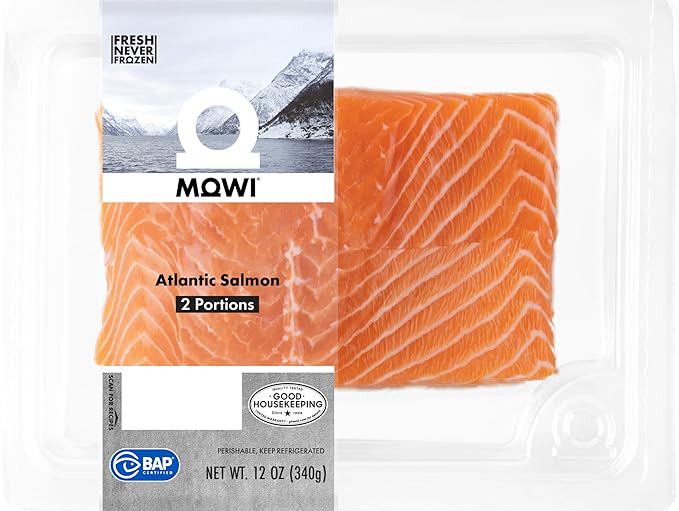
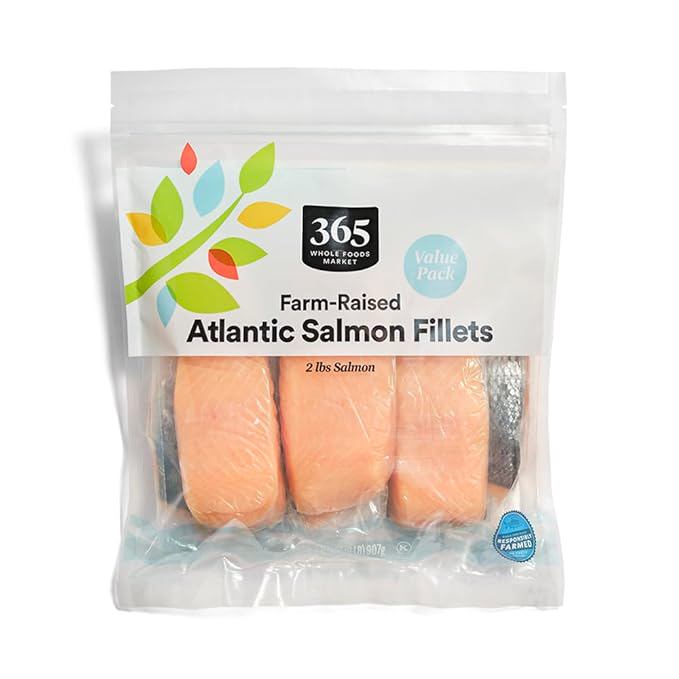
Fatty fish are the gold standard for fighting inflammation because of their high concentration of omega-3 fatty acids, specifically EPA and DHA. These fats help your body produce resolvins, molecules that actively resolve inflammation rather than just blocking it. For a beginner whose knee joints are stressed by unfamiliar squats or lunges, omega-3s can reduce morning stiffness and post-exercise tenderness.
Aim for two servings of salmon or sardines per week. If you don't eat fish, a high-quality fish oil supplement (under a doctor's guidance) can be an alternative, though whole food sources offer better absorption.
Canned sardines make an easy post-workout snack on whole-grain crackers. Grilled salmon can be prepped in bulk for salads or grain bowls throughout the week.
2. Leafy Green Vegetables (Spinach, Kale, Collard Greens)
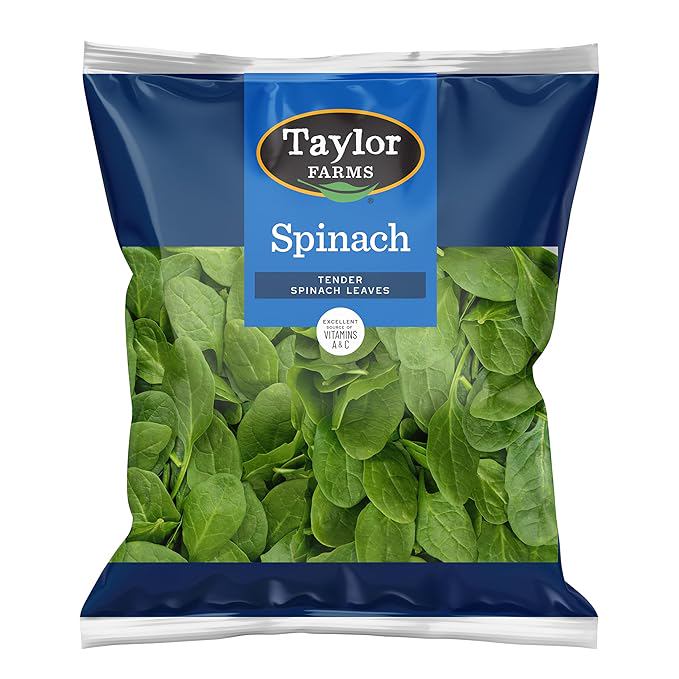
You already know greens are healthy, but for knee pain, they pack two specific compounds: vitamin K and vitamin C. Vitamin K is involved in bone health and cartilage structure, while vitamin C is essential for collagen production—the main protein in joint cartilage and ligaments. When knees are sore from a new workout, supporting collagen synthesis helps maintain the cushion between your bones.
Spinach and kale also contain flavonoids like quercetin, which act as antioxidants to quench inflammatory molecules produced during exercise. Throw a handful of spinach into a post-workout smoothie with berries, or sauté kale as a warm side dish with dinner.
3. Berries (Blueberries, Strawberries, Blackberries)
Berries are naturally low in sugar and high in anthocyanins, the pigments that give them their deep red, blue, and purple colors. These compounds directly inhibit inflammatory pathways that can contribute to joint pain. A study published in the Journal of the International Society of Sports Nutrition found that antioxidant-rich berries can reduce muscle soreness and speed up recovery after exercise.
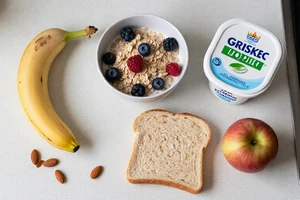
For knee pain specifically, their effect on collagen cross-linking may also improve the resilience of joint tissues. Frozen berries work just as well as fresh—add them to oatmeal, yogurt, or a post-workout recovery shake.
How to Integrate These Foods Into Your Recovery Routine
These foods aren't quick fixes, but combined they create an anti-inflammatory pattern that supports knee health over time. Consistency is key: having a handful of berries daily, fish twice a week, and greens at most meals lays a foundation for less reactive joints when you push your body out of its comfort zone.
- Post-workout snack: Greek yogurt with blueberries and a side of spinach (or a green smoothie).
- Lunch: Salmon salad with mixed greens and a handful of blackberries.
- Dinner: Grilled mackerel with sautéed kale and roasted sweet potatoes.
Stay hydrated, as dehydration can worsen joint stiffness, and consider adding turmeric or ginger to your meals for an extra anti-inflammatory boost. However, always listen to your body: if knee pain is sharp, persistent, or accompanied by swelling that doesn't improve within a few days, consult a healthcare professional.
By pairing smart nutrition with proper rest and gradual progression in your workouts, you can keep your knees healthy and strong for the long haul.