
Metabolism—the process your body uses to convert food into energy—is often treated like a puzzle that requires a drastic diet to solve. But the reality is far simpler. You don’t need meal-replacement shakes, juice cleanses, or starvation-level calorie cuts to support a healthy metabolic rate. Small, sustainable changes, backed by research, can make a real difference. Here are three expert-backed tips to boost metabolism without extreme diets.
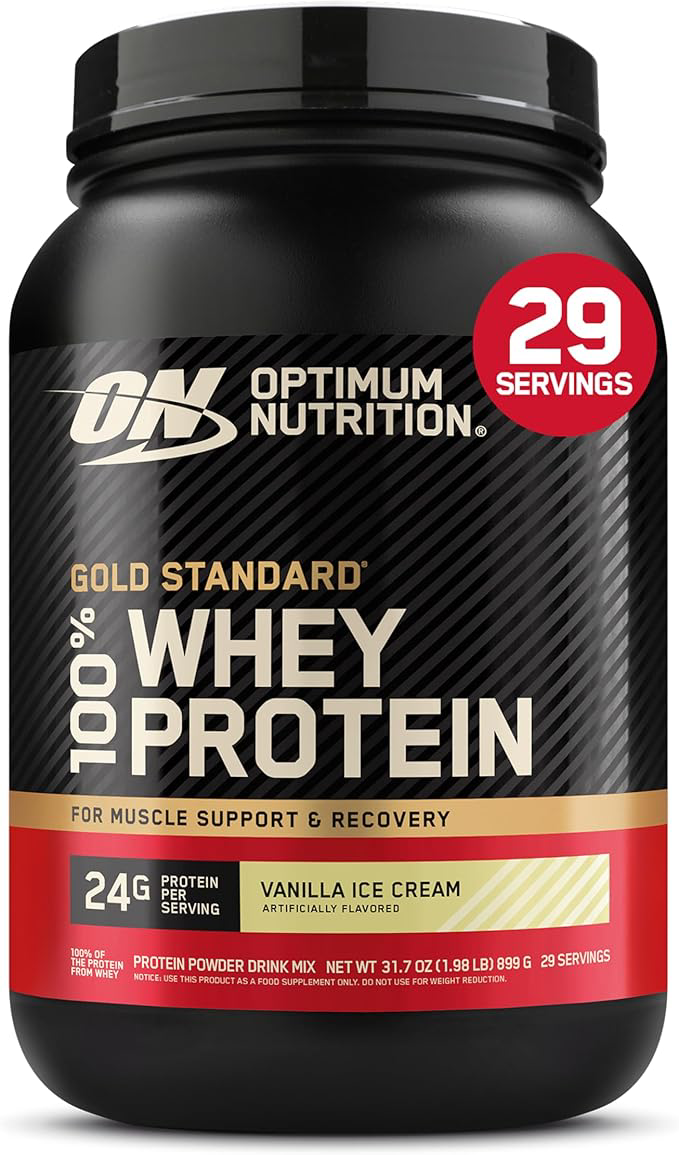
Tip 1: Feed Your Muscle with Enough Protein
Protein isn’t just for bodybuilders. Every time you eat a meal that contains protein, your body has to work harder to digest it. This effect is called the thermic effect of food, and protein leads the pack—it can increase your metabolic rate by 15–30 percent for a few hours after eating, compared to about 5–10 percent for carbs and fats.
Eating enough protein also helps preserve lean muscle mass. More muscle means a higher resting metabolism, even when you’re sitting still. As you age or lose weight, the natural tendency is to lose some muscle. Getting adequate protein—from sources like eggs, fish, poultry, legumes, and tofu—helps keep that muscle, and in turn, keeps your metabolic rate from dropping.
Try including 20–30 grams of protein at each main meal. That’s roughly a palm-sized portion of lean meat, a cup of cooked lentils, or a generous serving of Greek yogurt.
Tip 2: Move More—in Small, Frequent Bursts
Long, slow cardio sessions are great for endurance, but they aren’t the most efficient way to fire up your metabolism. For a bigger boost, mix in short bursts of higher-intensity movement. This is often called NEAT (non-exercise activity thermogenesis) combined with brief intervals. Walking more throughout the day—taking the stairs, pacing while on the phone, doing a quick set of squats during a commercial break—adds up to a surprising number of calories burned without feeling like exercise.
Additionally, adding two or three short strength-training sessions per week can elevate your afterburn effect, known as excess post-exercise oxygen consumption (EPOC). Your body continues to burn calories at a higher rate for hours after you finish resistance training.
- Take a 5-minute walking break every hour.
- Do 10 bodyweight squats or lunges before lunch.
- Use a standing desk for part of the day—standing burns about 20 percent more calories than sitting.
Tip 3: Prioritize Sleep and Stress Management
Metabolism does not operate in isolation. Two of the biggest dials you can adjust are sleep and stress. When you are sleep-deprived, your body produces more ghrelin (the hunger hormone) and less leptin (the fullness hormone). You also tend to crave carbohydrates and sugary foods. Chronic sleep loss can reduce your resting metabolic rate by up to 5 percent.
Similarly, high stress keeps cortisol levels elevated. Cortisol encourages fat storage, especially around the midsection, and can make you feel hungrier. Managing stress—through activities like short meditation, deep breathing, or even a quick walk—helps keep cortisol in check and supports a healthy metabolism.
Aim for 7–9 hours of quality sleep per night. Create a wind-down routine: dim lights, avoid screens an hour before bed, and keep your bedroom cool. For stress, try just 5 minutes of deep breathing during a busy afternoon—it’s free and research-backed.
None of these tips require an extreme diet change. By eating enough protein, moving throughout the day, and managing sleep and stress, you give your metabolism a steady, natural lift without deprivation. Small, consistent actions create the most lasting results—no starvation required.