
You’ve been diligent with your meals, consistent with your workouts, and the scale was moving in the right direction. Then, without warning, it stopped. The numbers stay the same for days, then weeks. This frustrating standstill is known as a weight loss plateau, and it happens to nearly everyone on a weight loss journey. The good news? It’s a normal physiological response—not a sign that you’re failing.
Your body is remarkably adaptive. As you lose weight, your metabolism naturally slows, and your energy expenditure drops. What worked for the first 10 or 20 pounds may no longer create the same calorie deficit. The strategies below, grounded in research and real-world nutrition coaching, are designed to help you reset your approach and start seeing progress again—without resorting to starvation diets or punishing exercise routines.
Why do weight loss plateaus happen?
A plateau is often a result of metabolic adaptation. As you shed pounds, your body requires fewer calories to maintain its smaller size. Additionally, hormones like leptin (which regulates hunger and energy balance) can change, making you feel hungrier. The combination of a lower resting metabolic rate and increased appetite creates a natural equilibrium that halts further loss.
Another common culprit is “calorie creep.” Over time, portions can subtly increase, or the occasional treat becomes a daily habit. Even healthy foods have calories. A handful of almonds, a splash of olive oil, or a nutrient-dense smoothie can add up. Sometimes you simply need a recalibration of what you’re actually eating versus what you think you’re eating.
1. Reassess your calorie intake and macronutrient balance
Your calorie needs aren’t static. The deficit that worked at 180 pounds will likely be too small at 160 pounds. A straightforward first step is to recalculate your total daily energy expenditure (TDEE) using your current weight. Many free online calculators can help, but the general approach is to multiply your current weight (in pounds) by a factor depending on your activity level—typically between 11 and 14 for sedentary to moderately active women, and 12 to 15 for men.
Once you have an updated calorie target, consider your protein intake. Protein has the highest thermic effect of food (TEF), meaning your body burns more calories digesting protein than it does digesting fats or carbohydrates. Aim for a daily intake around 0.7–1 gram per pound of body weight. Higher protein can help preserve lean muscle mass while you’re in a calorie deficit, which keeps your metabolism humming. Muscle tissue burns more calories at rest than fat tissue, so protecting it is a priority during a plateau.
Finally, don’t fear carbohydrates—especially complex, fiber-rich ones like legumes, whole grains, and vegetables. Carbs provide energy for workouts and support thyroid function, which influences metabolic rate. A common mistake is slashing carbs too drastically, which can leave you fatigued and less likely to exercise effectively.
2. Change your training stimulus: lift heavier or add intensity
If your exercise routine has been the same for months, your body has become efficient at it. That means you’re burning fewer calories during the same workout. To break a plateau, you need to increase the challenge.
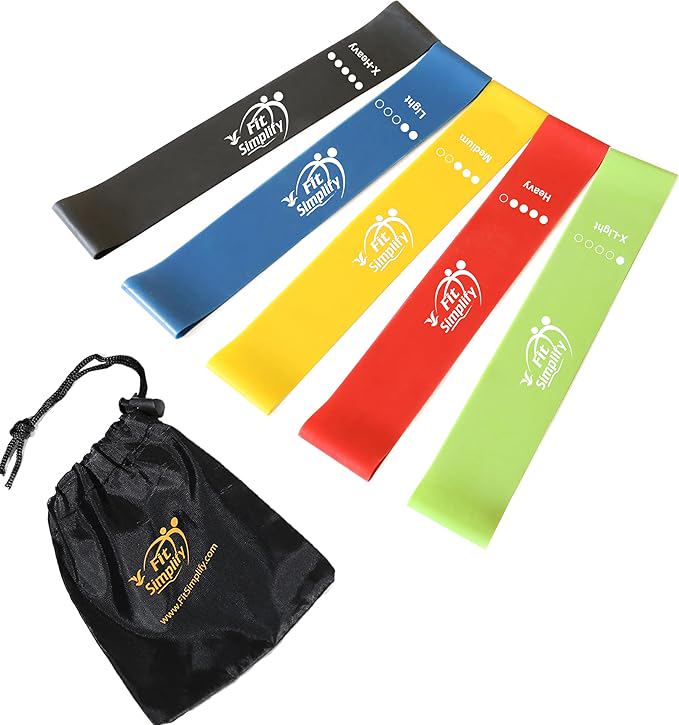
Strength training is especially powerful. Lifting weights (or using resistance bands) builds muscle, and as mentioned, muscle is metabolically active. Focus on compound movements like squats, deadlifts, push-ups, and rows. Try increasing the weight you lift by about 5–10% each week or adding an extra set to each exercise. If you’re new to lifting or returning after a break, bodyweight exercises can still offer a potent stimulus—just aim for higher reps (15–20) with short rest periods.
For cardio, consider high-intensity interval training (HIIT). Short bursts of all-out effort followed by recovery periods can elevate your heart rate and keep calorie burn elevated for hours after you finish (the “afterburn effect” or EPOC). A simple protocol: after a 5-minute warm-up, do 30 seconds of sprinting followed by 60 seconds of easy jogging or walking. Repeat 8–10 times. This can be done on a treadmill, bike, or even outside. Just don’t overdo it—HIIT sessions two to three times per week are enough to see results without risking burnout or injury.
Small shifts in how you move can re-ignite the response your body had in the early weeks of your journey.
3. Prioritize sleep and stress management
This may seem unrelated to the scale, but sleep and stress are two of the most overlooked factors in weight loss plateaus. Chronic stress raises cortisol levels, a hormone that encourages fat storage—especially belly fat—and can increase cravings for high-calorie, sugary foods. Similarly, poor sleep disrupts the hormones ghrelin and leptin, making you feel hungrier and less satisfied after meals.
If you haven’t already, commit to a minimum of seven hours of quality sleep per night. This means a dark, cool room, no screens at least 30 minutes before bed, and a consistent wake-up time. For stress management, even five minutes of deep breathing or a short walk can lower cortisol. Some people benefit from journaling or practicing gratitude—the key is whatever helps you decompress regularly.
Interestingly, boosting your overall non-exercise activity thermogenesis (NEAT) can also help. NEAT includes all the calories you burn doing non-exercise activities: walking to your car, standing while working, pacing on the phone, gardening, or cleaning. On average, people who move more throughout the day burn several hundred extra calories without setting foot in a gym. If you have a sedentary job, set a timer to stand and walk for two minutes every hour. These small increments add up over a week.
When should you consider professional help?
If you’ve tried these strategies consistently for four to six weeks without any change, it may be time to consult a registered dietitian, a health coach, or a physician. A professional can evaluate other factors like thyroid function, medication side effects, or conditions like PCOS that can make weight loss harder. They can also provide personalized meal planning and accountability that generic advice can’t match.
Remember that a plateau is not a dead end—it’s a signal. Your body is telling you that your current routine is no longer challenging your system. With patience and a few thoughtful adjustments, you can break through and continue your progress.