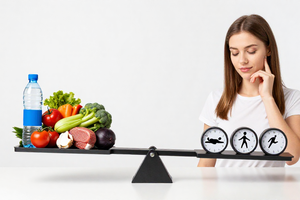
If you're doing everything right—eating well, moving your body, getting enough sleep—but the scale refuses to budge, it might be time to look at what's in your glass. Hydration plays a vital role in metabolism, but not all beverages support your goals. Some drinks can quietly work against your fat-loss efforts without you realizing it. Let's unpack the myth that all fluids are created equal and take a clear look at three drinks that could be stalling your progress.
The hydration-metabolism connection: what you need to know
Water is essential for every metabolic process in your body, including the breakdown of fat. When you're well-hydrated, your body can efficiently transport nutrients, regulate temperature, and burn calories. But the moment you swap plain water for certain sweetened or calorie-dense beverages, that metabolic advantage can slip away. The myth here is that drinking anything liquid is automatically good for hydration and weight loss. The truth is more nuanced.
Drink #1: Sugary sodas and sweetened carbonated beverages
It probably comes as no surprise that regular soda is a top contender for stalling fat loss. A single 12-ounce can contains about 39 grams of added sugar—mostly high-fructose corn syrup—and roughly 140 empty calories. These calories provide no nutritional value and spike blood sugar rapidly, prompting an insulin surge that encourages fat storage rather than fat burning.
What many people don't realize is that liquid calories don't trigger the same fullness signals as solid food. You can drink a significant number of calories without feeling any more satisfied, making it easy to consume far more energy than your body needs. Over time, this daily surplus adds up. Diet sodas aren't off the hook either; some research suggests artificial sweeteners may alter gut bacteria and insulin sensitivity, potentially interfering with weight regulation.
Drink #2: Specialty coffee drinks and blended coffee beverages
Your morning coffee isn't the problem—black coffee is virtually calorie-free and even contains compounds that may support metabolism. The trouble starts when coffee becomes a vehicle for sugar, cream, syrups, and whipped toppings. A medium-sized blended mocha or caramel frappuccino can pack 400 to 600 calories, most of which come from added sugar and saturated fat. That's a meal's worth of calories before you've had breakfast.
Think of it this way: a daily 400-calorie coffee habit can lead to nearly a pound of weight gain every nine days if those extra calories aren't offset elsewhere.
Even simpler coffee shop drinks like lattes and cappuccinos, when made with whole milk and flavored syrups, can add 200 to 300 calories. If you're tracking your intake, these hidden calories can easily derail a calorie deficit. For better results, stick with black coffee or an Americano, or use unsweetened plant-based milk and skip the syrups.
Drink #3: Fruit juices and fruit-based smoothies
Fruit juice has a health halo. It comes from fruit, so it must be good for you, right? Not necessarily. Even 100% fruit juice is high in natural sugars and lacks the fiber found in whole fruit. A typical 8-ounce glass of orange juice contains about 22 grams of sugar and 110 calories—and most people drink more than that. Without fiber to slow absorption, the sugar hits your bloodstream quickly, causing blood glucose spikes and subsequent insulin release.
Retail smoothies can be even more deceptive. They often combine multiple servings of fruit with juice, yogurt, honey, or other sweeteners, resulting in a drink that contains 50 to 80 grams of sugar and upward of 500 calories. That's more sugar than a can of soda, yet it feels healthy because it has fruit in it. When trying to lose fat, it's far better to eat your fruit whole and hydrate with water or unsweetened beverages.
Practical swaps that support fat loss
The good news is that you don't have to drink only plain water forever. Here are some simple, metabolism-friendly alternatives:
- Sparkling water with citrus or cucumber slices — satisfies the craving for something fizzy without added sugar.
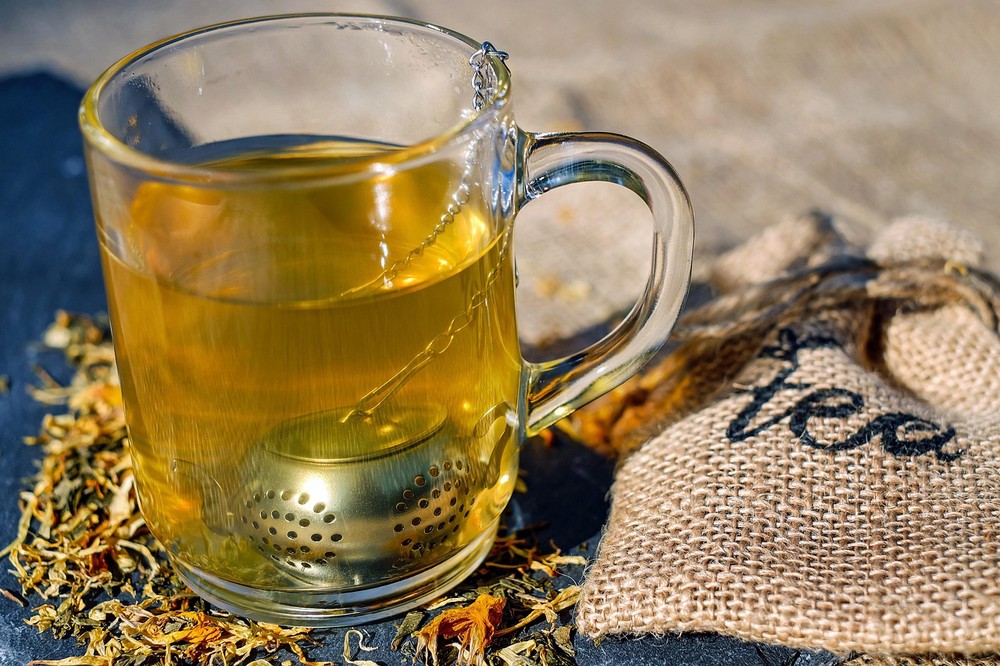
- Herbal teas (hot or iced) — naturally calorie-free and can support hydration with variety.
- Black coffee or unsweetened cold brew — delivers caffeine's metabolic boost without the excess calories.
- Infused water — add fresh mint, berries, or lemon to plain water for flavor without sugar.
What about alcohol?
Alcoholic beverages deserve an honorable mention. They provide empty calories, can lower inhibitions around food choices, and impair your body's ability to burn fat while metabolizing alcohol. Cocktails, beer, and sweet wines are particularly problematic. If you do drink, moderation is key, and opting for lower-calorie choices like a dry wine or spirits with soda water can help minimize the impact on fat loss.
The bottom line: what you drink matters just as much as what you eat when it comes to fat loss. Staying hydrated is non-negotiable, but choosing water, unsweetened teas, and black coffee over sugary sodas, calorie-laden coffee drinks, and fruit juices can make a real difference. By debunking the myth that any beverage supports hydration and weight loss equally, you can make more informed choices that align with your goals.