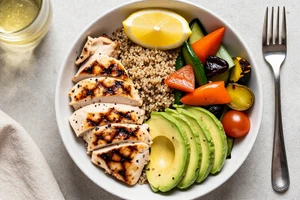
You've dialed in your meals. You're hitting your protein, eating your vegetables, and skipping the drive-through. But the scale isn't budging, or maybe it's inching up. It's frustrating, and it often points to something we overlook entirely, something we sip without a second thought. The truth is, what's in your glass can quietly undo a day's worth of smart eating.
Let's look at the three drinks most likely to stall your progress, even when your food choices are on point. This isn't about fear-mongering or a rigid ban list. It's about awareness—knowing exactly where the hidden calories, sugar, and metabolic disruptions live so you can make a calm, informed decision.
The Usual Suspect: Sugary Sodas and Sweetened Beverages
This one is the most obvious, yet it's still the biggest offender. A standard 12-ounce can of soda packs roughly 140 to 150 calories, almost entirely from added sugar. That's about 10 teaspoons of sugar in a single serving. Do you eat 10 teaspoons of sugar on anything during your day? Probably not. But you might drink it.
Why It's a Problem
The body processes liquid sugar differently than the sugar found in, say, an apple. The fiber, water, and volume of whole food trigger fullness signals. Soda does not. It floods your system with a rapid glucose spike, prompting a surge of insulin. Insulin is a storage hormone—it tells your body to store energy, primarily as fat. You've consumed a significant number of calories, but your brain doesn't register them the same way. You don't eat less at your next meal to compensate. Those 150 calories are just added to your daily total.
One soda a day can add up to over 1,000 empty calories per week, translating to a potential weight gain of roughly a pound a month if everything else stays the same.
The fix isn't complex: swap it out. Sparkling water with a squeeze of lemon or lime, unsweetened iced tea, or simply plain water will zero out that liquid calorie load. If you crave sweetness, a single serving of a zero-calorie flavored seltzer is a better bridge than a full-sugar soda.
The Healthy Halo: Commercial Smoothies and Juices
This is the one that trips up most people who are trying to eat well. A green juice or a fruit-and-yogurt smoothie looks virtuous. It contains fruit! Maybe spinach! How could it possibly be a problem? The issue here is portion size and sugar concentration—yes, even from natural sources.
That 20-ounce smoothie from the cafe down the street likely contains three or four servings of fruit. That's a massive amount of sugar (often 50-70 grams) and calorie-dense add-ins like honey, agave, full-fat yogurt, or nut butters. When you chew an orange and an apple, you get fiber that slows digestion and fills you up. When you drink them, you lose the satiety benefit. Your liver gets a fructose load it must process, and any excess is directed toward fat production.
A Better Way to Blend
If you love smoothies, keep them in the meal category, not the snack category. Use a smaller glass. Stick to a single serving of fruit (e.g., one cup of berries) and bulk it up with a generous handful of spinach, a scoop of unsweetened protein powder, and unsweetened almond milk. Avoid juice entirely unless you are carefully measuring a very small amount (2-4 ounces). Remember, whole fruit is almost always the wiser choice.
The Sneaky Saboteur: Specialty Coffee and Tea Drinks
Black coffee and plain green tea are nearly calorie-free and can even support metabolic health. The problem is everything we add to them. The modern coffee shop menu is a minefield of sugar, fat, and calories disguised as morning fuel. A medium blended coffee drink can easily contain 400-500 calories, 60-80 grams of sugar, and a significant amount of saturated fat from cream and syrups.
Think of it as a liquid dessert, not a cup of coffee. The average person doesn't realize that their midday latte order is the caloric equivalent of a cheeseburger. Because it's a drink, the brain does not file it under "food." So you have the meal and the liquid cheeseburger, and you wonder why the scale won't move.
What to Order Instead
- Stick to a small size (tall or 12-ounce).
- Skip the syrups, caramel drizzle, and whip cream.
- Use a splash of plain milk or a sugar-free creamer.
- A plain latte or cappuccino with an extra shot of espresso gives you energy without the overload.
The bottom line: alcohol is also a major factor for many, but these three—soda, smoothies/juices, and fancy coffee drinks—are the most common daily sources of hidden calories that undermine fat loss. If you are eating clean and not seeing results, take a hard, honest look at what you're drinking. Nine times out of ten, the answer is hiding in your glass.
Stay hydrated, stay sharp, and keep your calories in your meals—not in your beverages.