
You finished your run strong, maybe even hit a personal best. But an hour later, you are slumped on the couch, too drained to think about dinner, let alone the rest of your day. That heavy, lingering fatigue feels different than the normal tiredness of a good workout. It is a signal, not a failure.
Post-run fatigue that hangs around for hours or days is incredibly common, but it is not a mystery you have to just accept. As a runner and health editor, I have spent years learning to read these signals. Most of the time, the crush of exhaustion comes down to one of three manageable factors. Once you know what they are, you can stop guessing and start recovering properly.
1. Fueling the Tank: When Your Energy Reserves Run Dry
The most straightforward cause of post-run fatigue is simple: you ran your engine empty. Your body primarily uses glycogen—stored carbohydrates in your muscles and liver—for fuel during a run, especially at higher intensities. If you start a run on low stores and push hard, you can deplete those reserves entirely.
The result is a metabolic crash. Your muscles have no immediate fuel left, your blood sugar can dip, and your brain, which also runs on glucose, feels foggy. This type of fatigue usually hits within an hour of stopping. You might feel shaky, weak, irritable, or mentally checked out.
How to Spot This
This fatigue is often accompanied by cravings for simple carbs or sugar. If you skipped breakfast, ran fasted, or went longer than 90 minutes without taking in any calories during the run, depleted energy is the most likely culprit.
The fix is timing. You do not need a complicated nutrition plan. A simple post-run snack that combines a little protein with fast-digesting carbohydrates—think a banana with a spoonful of peanut butter, a glass of chocolate milk, or a small bagel with hummus—can often reverse this fatigue within 20 minutes. Do not wait until you are starving. The sooner you eat after a hard effort, the faster your body can start rebuilding those glycogen stores.
A quick check: If you feel better within 30 minutes of eating a carb-rich snack, your fatigue was likely fuel-related. Keep a small snack in your gym bag for the ride home.
2. The Hidden Burden of Dehydration and Electrolyte Loss
You might think you drink enough water, but if you are a heavy sweater or run in warm conditions, dehydration can sneak up on you. Beyond just thirst, dehydration significantly reduces blood volume. Your heart has to work harder to pump blood to your working muscles and your skin for cooling. This extra strain taxes your entire system.
Electrolytes are the other piece of this puzzle. Sodium, potassium, and magnesium are minerals that your nerves and muscles need to fire correctly. When you sweat, you lose these along with water. If you replace only water, you can dilute the remaining electrolytes in your body, leading to a type of fatigue that feels like heavy legs, muscle cramps, or a vague, flu-like achiness.
Signs You Are Running on Empty Water Tank
- Your urine is dark yellow or amber hours after your run.
- You feel dizzy or lightheaded when standing up quickly.
- Your muscles feel twitchy or unusually stiff.
- You have a lingering headache that does not go away with water alone.
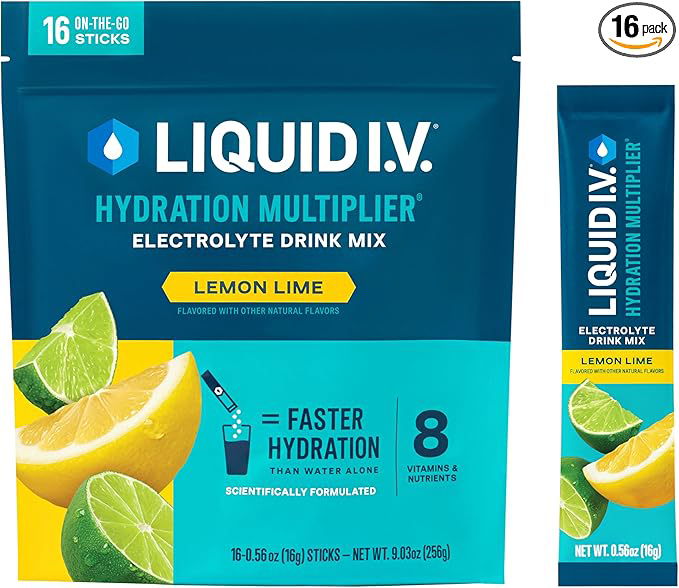
Prevention is better than trying to fix dehydration after the fact. Weighing yourself before and after a long run can give you a practical target: drink about 16 to 24 ounces of fluid for every pound lost during the effort. For runs over an hour in the heat, consider adding an electrolyte tab or trace minerals to your water, rather than just plain water.
3. The Crawl of Overtraining and Incomplete Recovery
Sometimes, the problem is not just one run. It is the cumulative effect of many runs without enough rest. Overtraining syndrome, or the more common state of under-recovery, happens when the physical stress of training outpaces your body's ability to repair.
This is the trickiest cause to spot because the fatigue feels different. It is systemic. You might wake up after eight hours of sleep feeling as tired as when you went to bed. Your resting heart rate might be elevated by five to ten beats per minute. Your runs feel harder at your normal pace. You might also notice mood changes, like irritability or a lack of motivation to run at all.
This deep fatigue is your body's emergency brake. Your central nervous system is taxed, your hormone levels (like cortisol) can be disrupted, and your muscles have microscopic damage that has not been fully repaired.
Breaking the Cycle
If any of these symptoms sound familiar, the answer is not more caffeine. It is true rest. This might mean a full day off, switching to gentle cross-training like swimming or yoga, or simply cutting your next few runs shorter and easier than planned. Sleep is your most powerful recovery tool here—aim for consistent, quality sleep (7–9 hours) and consider a short nap after a hard morning workout if you can swing it.
One high-quality rest day often does more for your overall fitness than a week of dragging yourself through exhausted miles. Listen to that heavy feeling.
Post-run fatigue is a conversation between you and your body. Start paying attention to when the fatigue hits and how it feels. Is it immediate and fixed by a snack? Is it a deep, lingering achiness? By recognizing these three common causes—fuel deficits, dehydration, and under-recovery—you can match the solution to the problem and get back to feeling strong, not just finished.