
You finished your workout, maybe did a quick cool-down, and now you're ready to refuel. But what if that snack you grabbed is missing the one thing your muscles actually need to recover? Many common post-workout snacks look healthy but are surprisingly low in protein. If you're not careful, you could be shortchanging your body when it needs repair the most. Here are two clear warning signs your post-workout snack isn't providing enough protein—and what to do about it.
Warning Sign #1: You Still Feel Hungry or Unsatisfied Within an Hour
Protein is one of the most satiating macronutrients. After a workout, your body is in a recovery state and needs amino acids to rebuild muscle tissue. If your snack is mostly carbohydrates—like a piece of fruit, a granola bar, or even a baked sweet potato without any protein alongside it—you'll likely notice that your hunger returns quickly. That gnawing feeling in your stomach an hour later isn't just in your head; it's a sign your snack didn't contain enough protein to stabilize your blood sugar and signal fullness to your brain.
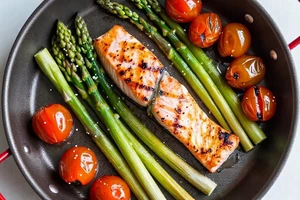
A post-workout meal or snack should ideally combine protein with some carbs. For instance, you could pair that baked sweet potato with a handful of almonds or a hard-boiled egg. Without enough protein, your snack is essentially just energy—it won't support the repair process your muscles just went through.
Warning Sign #2: You Feel Sore or Tired for Longer Than Expected
Some muscle soreness after exercise is normal, especially after trying a new movement or increasing intensity. But if your workouts consistently leave you feeling unusually drained or sore for days, your post-workout nutrition might be part of the problem. Protein provides the building blocks (amino acids) your body uses to repair micro-tears in muscle fibers. When you don't get enough protein after exercise, recovery slows down. You might notice that your legs feel heavy the next day, or that you lack the usual bounce in your step for your next session.
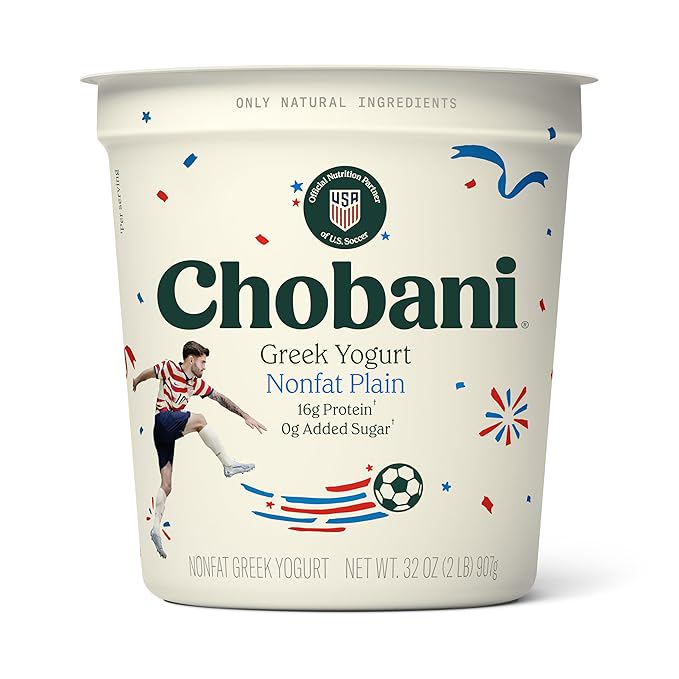
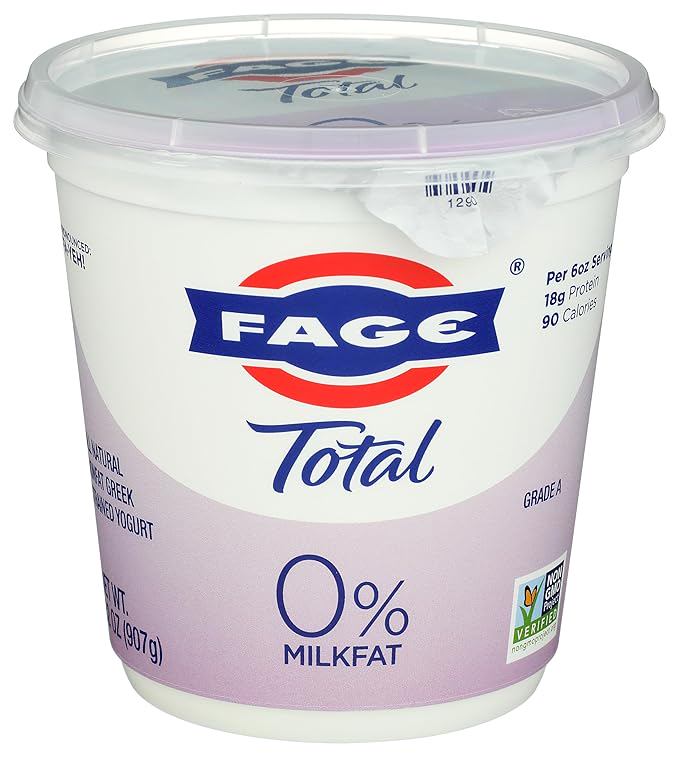
If you're eating a snack like a plain sweet potato wedge or a piece of toast with jam, you're getting almost zero protein. That could explain why you're not bouncing back as quickly as you'd like. Add a source of protein—think Greek yogurt, cottage cheese, a protein shake, or even a few slices of turkey—to give your body the raw materials it needs to recover efficiently.
How Much Protein Is Enough After a Workout?
While individual needs vary, general guidelines suggest that consuming about 15–30 grams of protein within two hours after exercise can support optimal recovery. For most people, that’s roughly the amount in two large eggs, a scoop of protein powder, or a 6-ounce serving of Greek yogurt. If your current snack provides less than that, it may be worth adjusting. A simple swap—like adding a glass of milk to your sweet potato wedges or mixing protein powder into your oatmeal—can make a real difference in how you feel the next day.
Quick Tip: Look at the protein content on nutrition labels when choosing packaged post-workout snacks. Aim for at least 10 grams to start, and adjust based on your activity level and body weight.
Simple Ways to Boost Protein in Your Favorite Snacks
You don’t have to overhaul your diet. Small tweaks can turn a low-protein snack into a balanced recovery mini-meal:
- Pair fruit with protein: Apple slices with peanut butter, banana with Greek yogurt, or berries with cottage cheese.
- Upgrade your baked sweet potato: Top it with black beans, a sprinkle of cheese, or a dollop of Greek yogurt instead of just oil and spice.
- Swap your granola bar: Choose one with at least 8–10 grams of protein and limited added sugar.
- Add a drink: A glass of milk, a protein shake, or a smoothie with protein powder can easily round out a carb-heavy snack.
The goal isn't to eliminate carbs but to ensure protein is part of the equation. Your muscles worked hard; they deserve the nutrients to recover properly.