You’ve mastered your sun salutations and can hold a downward dog with ease, yet something feels subtly off. It might not be a sharp pain or a dramatic limitation, but a quiet, persistent stiffness that whispers from your hips. In yoga, where we celebrate flexibility, tightness often gets a bad rap. But the real issue isn’t tightness itself—it’s the body’s quiet, compensatory patterns that arise from it, which can quietly steer your practice away from safety and toward strain.
Recognizing these subtle signs is less about diagnosing a problem and more about deepening your body awareness. It’s the difference between forcing a shape and inhabiting it with intelligence. When hips lack mobility, the body, ever resourceful, finds other ways to move, often recruiting joints and muscles not designed for the task. Learning to listen to these whispers can transform your practice from a performance of poses into a sustainable conversation with your body.
What does “tight hips” really mean in yoga?
In yoga vernacular, “tight hips” is a catch-all phrase, but it’s useful to break it down. We’re typically talking about a lack of mobility in the ball-and-socket hip joint and the surrounding network of muscles—the glutes, piriformis, hip flexors, and deep rotators. This stiffness can stem from prolonged sitting, previous injuries, genetics, or simply the patterns of your daily life.
The hip joint is designed for a remarkable range of motion: flexion, extension, internal and external rotation, and abduction. When one or more of these movements is restricted, your yoga practice doesn’t just stop; it adapts. The body’s primary goal is to complete the movement you’re asking of it, and it will cleverly—and sometimes problematically—find a way.
The first subtle sign: Your lower back is doing all the work
This is perhaps the most common and telling compensation. In poses where you fold forward, like Paschimottanasana (Seated Forward Bend), or in deep hip flexor stretches like Anjaneyasana (Low Lunge), the intention is to create movement from the hip joint. When the hips are tight, that forward folding or hip extension simply doesn’t happen there.
Instead, the movement comes from the lumbar spine—the five vertebrae in your lower back. The spine rounds excessively to get you closer to your legs, or it over-arches to create the illusion of a deep lunge. You might feel a deep stretch, but it’s likely in your back, not your hips.
If you consistently feel a deep stretch or compression in your lower back in seated folds or lunges, your hips may be asking for more time and attention.
This lumbar compensation is a stealthy issue. It feels like you’re getting a deep stretch, but you’re potentially placing repetitive stress on the spinal discs and ligaments, which are not meant to be the primary movers in these poses.
How to check for this:
In a seated forward fold, sit on a folded blanket to tilt your pelvis forward slightly. As you fold, focus on leading with your chest, not your head. Can you feel the crease at the very top of your thighs, where your leg meets your torso? If that area feels locked and the sensation is predominantly in your mid-to-lower back, it’s a signal. The work is to back out of the pose just enough to rediscover where the movement should initiate.
The second subtle sign: Your knees or ankles become the focus
Hip tightness often travels downstream. In poses that require external hip rotation—think Pigeon Pose, Fire Log Pose, or even Bound Angle Pose—the limitation in the hip socket transfers stress to the knee joint. The knee is a hinge joint, built for flexion and extension, not for rotation.
When the hips are too tight to open fully, the knee on the bent leg is often forced into a rotation it cannot safely accommodate. You might feel pinching, pressure, or a feeling of vulnerability in the knee itself. Similarly, in poses like Malasana (Garland Pose), a lack of internal hip rotation can cause the ankles to collapse inward or create undue pressure on the Achilles tendons.
Your joints are communicating. Knee or ankle discomfort in these rotational or deep squatting poses is rarely about the knee or ankle alone; it’s frequently a message from the hip upstream, saying it has reached its current limit.
How to check for this:
In Pigeon Pose, pay close attention to the front bent knee. Is there a sharp pain or pinching sensation inside the knee joint? If so, immediately ease out. This often means the hip external rotators are so tight that the knee is being torqued. The solution is to reduce the intensity of the pose—perhaps by placing a block under the hip of the bent leg—to bring the sensation back to the hip muscles where it belongs.
What to do when you notice these signs
Spotting these patterns is the first and most crucial step. The response is never to push harder, but to practice smarter. This is where yoga truly becomes a practice of self-study (Svadhyaya).
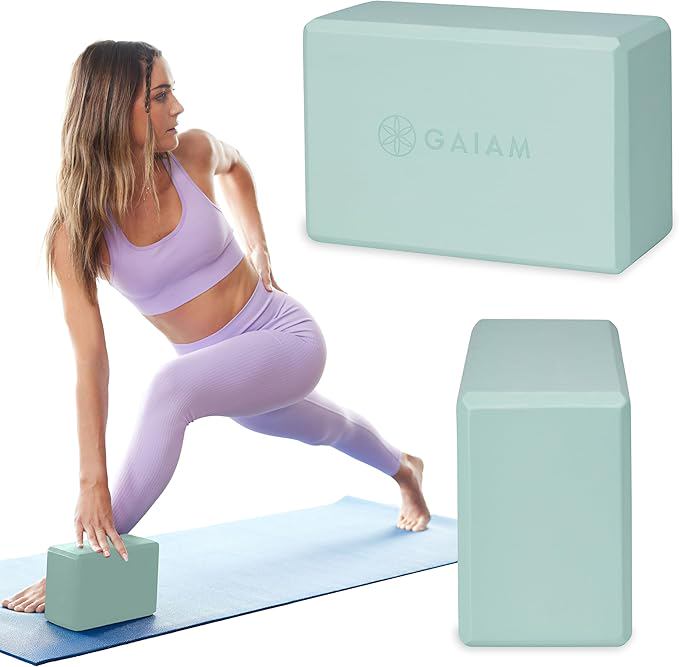
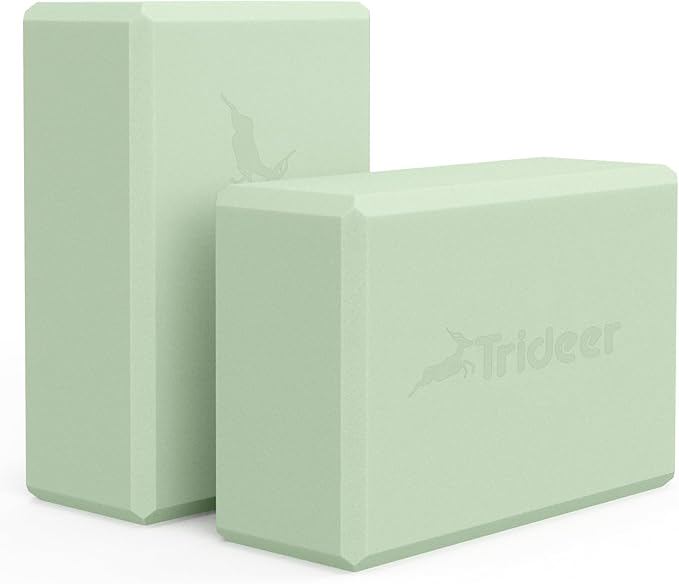
First, reframe your intention. The goal shifts from achieving the final shape to exploring your honest, current range of motion with respect. Second, embrace props unapologetically. Sitting on a blanket in forward folds, using a block under the hip in pigeon, or holding onto a strap can create the space your hips need to release without forcing other joints to compensate.
Finally, consider integrating more mobility-focused movements into your warm-up or dedicated practice. Gentle, dynamic movements like cat-cow with hip circles, slow controlled leg swings, or supine figure-four stretches can help nourish the hip joint with movement before you ask it for deep static holds.
Your practice is a lifelong journey, not a destination. Tight hips aren’t a failure; they’re simply information. By learning their subtle language—the whisper from your lower back, the plea from your knees—you cultivate a practice that is not only safer but profoundly more mindful and sustainable. You learn to move from your center, with integrity, one breath at a time.



![Tumaz Yoga Strap/Stretch Bands [15+ Colors, 6/8/10 Feet Options] with Extra Safe Adjustable D-Ring Buckle, Durable and Comfy Delicate Texture - Best for Daily Stretching, Physical Therapy, Fitness](https://www.glowtheorylab.com/uploads/ad202604/d62cf3b7330d7d4a.webp)