Yoga offers profound benefits for seniors, from improving balance and flexibility to calming the mind. Yet, the very practice meant to nurture can become a source of strain if we push past our body's quiet signals. For older adults, the line between a healthy challenge and overexertion isn't always marked by sharp pain or dramatic shortness of breath. Often, the body communicates its limits through whispers, not shouts.
Learning to recognize these subtle signs is a crucial part of a sustainable, safe practice. It transforms yoga from a performance into a mindful conversation with your own strength and limitations.
What does overexertion look like in a senior yoga practice?
When we think of overexertion, we might imagine gasping for air or muscle failure. In a gentle senior class, it's rarely that obvious. The context is key: these are signs that appear during or after your practice, indicating you've asked for more than your body was ready to give on that particular day. They are your internal feedback system, asking for a gentler pace.
The Lingering “Heavy” Feeling
It's normal to feel a sense of effort in a pose, or a mild, diffuse muscle warmth the day after trying something new. What's not typical is a sensation of deep, lingering heaviness or dullness in the limbs or body that persists long after your session ends.
This isn't about muscle soreness from a new movement. This is a systemic feeling of being weighed down. You might notice it as you get up from your mat: your legs feel like lead, not refreshed. Your arms might feel unusually tired for hours afterward, making simple tasks feel like a burden. This heavy fatigue suggests your nervous system and muscles are overwhelmed, needing extended recovery rather than stimulation.
Your practice should leave you feeling lighter, not heavier. A sustained feeling of bodily heaviness is a clear signal to pull back.
Subtle Breath Holding or “Catching”
Breath is the cornerstone of yoga. In a balanced practice, the breath guides movement, flowing steadily even as poses challenge us. A subtle but telling sign of overexertion is a disruption in this natural rhythm that you might not even notice at first.
Watch for this: instead of a smooth, audible breath (like Ujjayi pranayama often encourages), your breath becomes shallow, silent, or gets “caught” in your chest. You might find yourself holding your breath for a moment as you try to reach a bit farther or hold a balance pose a bit longer. Another sign is needing to take a quick, sharp inhale or sighing exhale to “reset” your breathing pattern mid-pose.
This isn't about being slightly winded; it's a sign that the pose has become a strain, pulling your awareness away from the foundational link between breath and movement. Your body is prioritizing effort over ease.
Why are seniors more susceptible to these subtle signs?
Our bodies change with time, and these changes require a shift in how we approach physical activity. Muscle mass and elasticity naturally decrease, recovery can take longer, and joints may be more vulnerable. Furthermore, conditions like arthritis or changes in blood pressure can play a role.
Because of this, the reserve capacity—the extra energy or strength we can call upon for a challenge—may be smaller. What feels like a modest effort can more quickly tap into those reserves, leading to the heavy fatigue or breath disruptions mentioned above. It’s not a weakness; it’s simply a different physiological landscape that calls for attentive navigation.
How to respond when you notice these signs
Recognizing a signal is only the first step. The compassionate response is what protects your practice. Here’s what to do:
- Pause and breathe. The moment you notice breath catching or holding, stop trying to deepen the pose. Return to simple, rhythmic breathing. Let your breath re-establish its natural tide before moving.
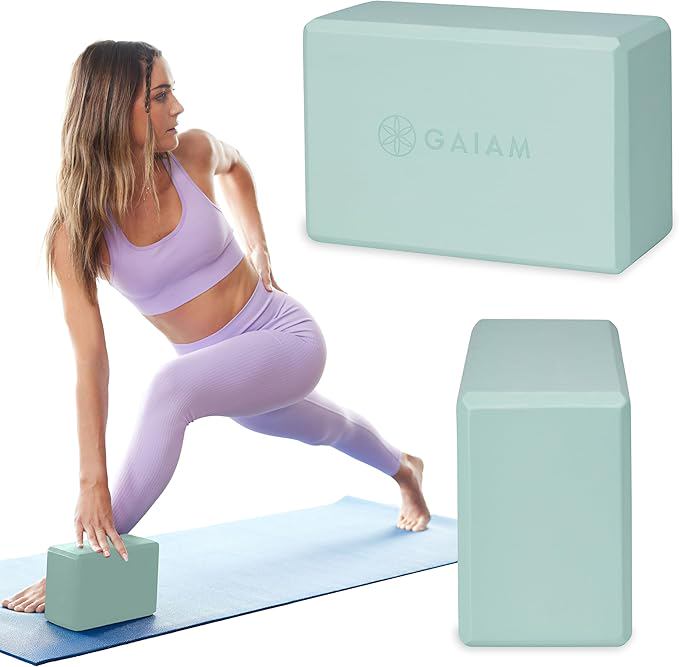
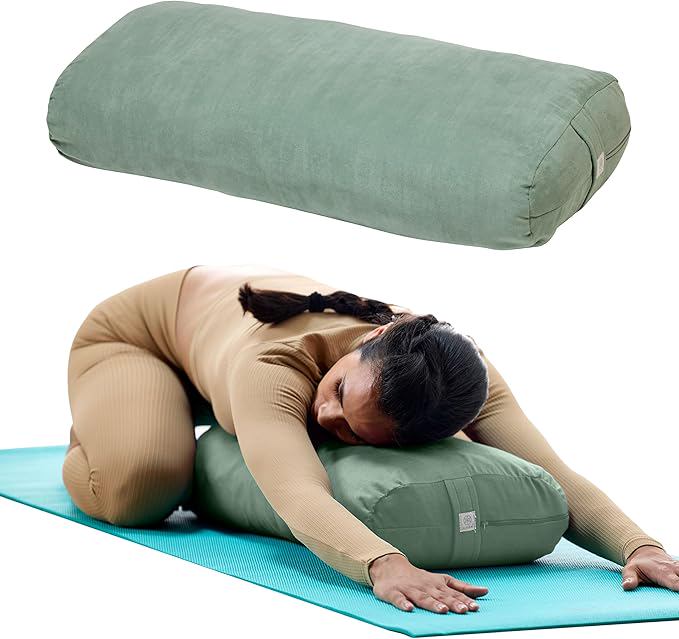
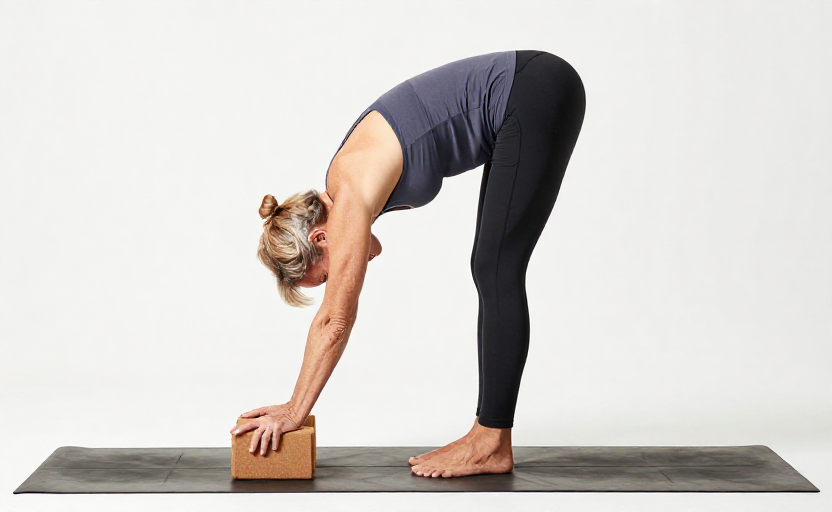
- Use your props generously. A block under your hand in a standing pose or a bolster under your knees in a supine twist isn’t a modification for beginners; it’s an intelligent tool for sustainability. It reduces strain, allowing you to experience the pose's benefit without the overload.
- Embrace restorative poses. If heaviness sets in, end your practice with 5-10 minutes in a supported pose like Supta Baddha Konasana (Reclining Bound Angle Pose) with bolsters, or simply Savasana (Corpse Pose) with a blanket under your knees. This signals to your nervous system that it’s time to rest and integrate.
- Talk to your instructor. A good teacher wants to know. A quiet word after class like, “I felt a lot of heaviness in my legs after the standing series,” can help them tailor future guidance for you and the whole class.
Cultivating a sustainable practice
The ultimate goal is a practice that supports you for years to come. This means redefining success. It’s not about achieving the deepest backbend; it’s about maintaining a consistent, joyful connection to your body.
Listen to your body’s daily narrative. Some days you’ll feel strong and expansive; other days, your system may ask for profound gentleness. Honoring that ebb and flow is the true wisdom of a lifelong yoga practice. The most advanced pose you can master is the one of attentive self-care.