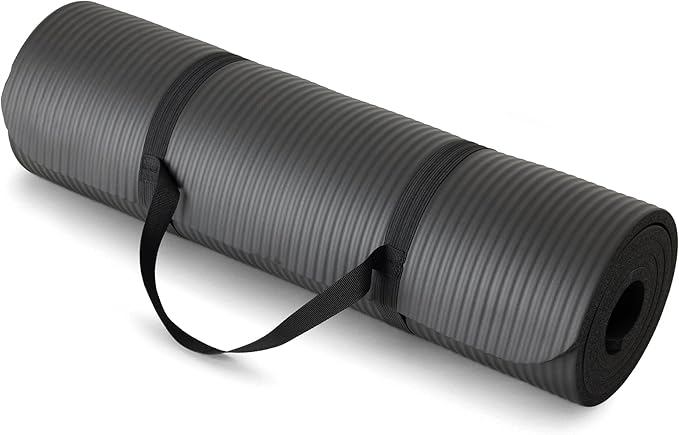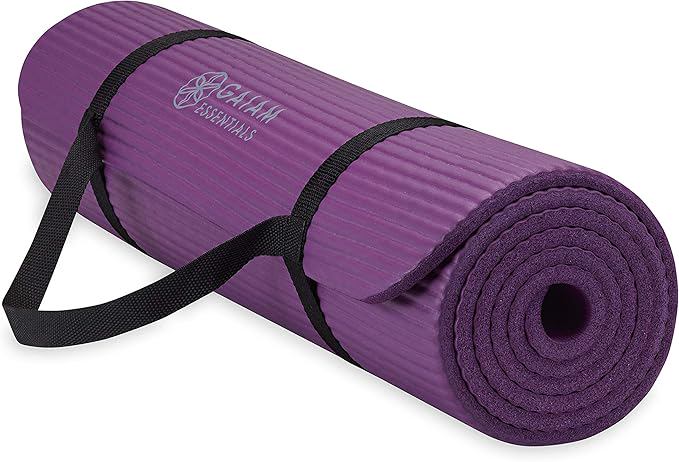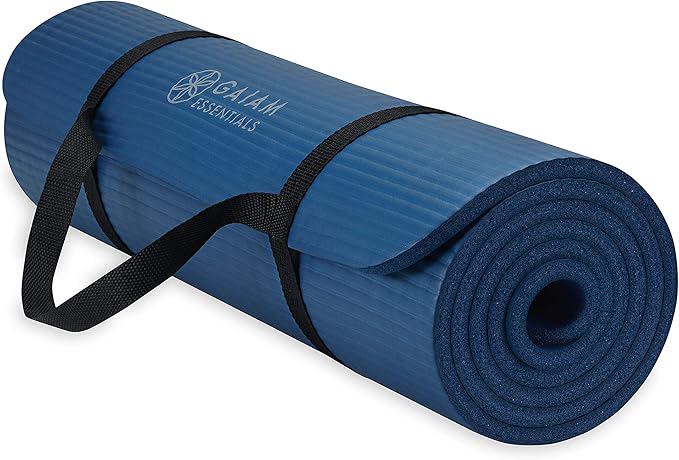
When joint pain or unusual instability creeps into your practice, the instinct is often to blame alignment or overexertion. But before you book a private session or back off your vinyasa flow entirely, take a hard look at the surface beneath you. Your yoga mat—specifically its age, grip, and height—can be a hidden culprit behind aching wrists, shifting knees, and loss of balance.
The mat is your foundation. If it is too worn, too slippery, or too thick, it can quietly sabotage the mechanics of a pose. Here are the two most telling signs that your yoga mat may be contributing to joint discomfort or structural instability.
1. Your Hands or Feet Slip During Standing Poses
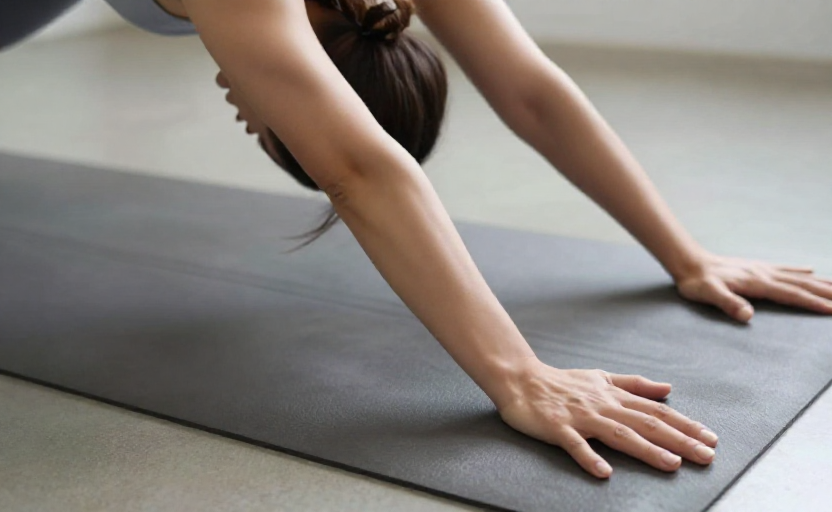
Sliding is more than an annoyance. When your hands skid forward in Downward-Facing Dog or your back foot creeps during Warrior I, your body compensates with micro-adjustments in the joints. The wrists may hyperextend to grip the mat; the knees may track awkwardly to find traction. Over the course of a class, these compensations stack up, loading the joint capsule unevenly and creating low-grade inflammation.
A mat loses its natural tack after about six to twelve months of regular use, depending on the material. Natural rubber and high-quality PVC have a long lifespan, but dirt, sweat, and oils form a film that blocks the surface's inherent grip. Washing your mat with a gentle cleanser can restore some traction, but if slipping persists after cleaning, the material has likely degraded to a point where it no longer provides the friction your joints rely on.
Instability from a slippery mat is not limited to the shoulders and wrists. In balancing poses like Tree Pose or Ardha Chandrasana, the foot’s subtle shift can confuse the ankle and hip stabilizers, mimicking a sense of weakness or instability. If you feel as though you are “working harder” just to stay still, the mat is likely the issue.
2. Your Knees or Wrists Feel Unstable in Low Poses
A mat that is too thick or too plush might seem like a smart choice for joint comfort, but it can backfire in a different way. When a mat compresses significantly under pressure, it creates a soft, uneven surface. This instability is especially noticeable in poses like Cat-Cow, Tabletop, and Low Lunge, where the knees and hands must press into the mat to maintain a stable base.
If your knees wobble or your wrists feel as though they are about to “dip” through the mat during weight-bearing postures, the foam density is likely too low for your body weight. Overly soft mats can cause a valgus (inward) or varus (outward) collapse at the knee, stressing the medial and lateral collateral ligaments. At the wrist, a mat that sinks unevenly can force the joint into extension beyond its comfort zone, leading to persistent ache or sharp pain in the carpal area.
Here is a quick way to check: kneel on your mat and press one palm firmly into the surface. If your hand sinks more than a quarter-inch into the material, the mat is probably too soft for weight-bearing practice. Try a medium-density mat (roughly 4–5 millimeters thick for general practice, or 6 millimeters if you have bony knees and need cushion for kneeling poses). The goal is a mat that gives just enough to protect the patella without collapsing under your full weight.
A simple test: Fold your mat in half and press down on the fold with one hand. If your hand sinks deeply into the crease, the foam is too plush for stability work.
When to Retire or Replace Your Mat
Most mats have a clear lifespan. If you practice three to five times a week, plan to replace a standard PVC or rubber mat every nine to twelve months. If you notice any of the following, it is time to let go:
- Peeling surface layers or flaking rubber
- A permanent “memory” of folds that won’t flatten out
- A persistent, chemical odor even after washing
- Visible bald spots where the grip has worn through
A worn-out mat can also harbor bacteria and fungi, which may cause skin irritation or exacerbate eczema around the knees and elbows—an often-overlooked source of discomfort that can feel like joint pain.
How to Choose a More Joint-Friendly Mat
When shopping for a replacement, focus on three factors: grip, density, and height.
Grip is non-negotiable for stability. Natural rubber offers excellent tack, though it has a distinct smell and may irritate latex allergies. Closed-cell PVC is durable and easy to clean, making it a strong choice for sweaty practices. Microfiber suede tops have gained popularity for hot yoga, but they can become slippery when damp unless treated with a silicone backing.
Density matters more than many people realize. A mat should feel firm under pressure. If you press a thumb into the mat and it leaves a deep divot, the material is too soft for poses that demand stability. Look for mats described as “high-density” or “firm support,” especially if you have a history of wrist or knee pain.
Height is a balancing act. A mat that is too thin (under 3 millimeters) offers little shock absorption for the knees and spine. A mat that is too thick (over 6 millimeters) can cause instability during standing balances. A 4- to 5-millimeter mat is the sweet spot for most practitioners. If you need extra knee cushioning, use a separate small pad (like a folded blanket) under the knees rather than relying on the entire mat to do that job.
A Note on Wrist Pain and Mat Choice
If you suffer from recurring wrist discomfort, the mat’s edge can also be a factor. Some mats have a tapered edge or a rounded bevel that creates an uneven pressure point when the heel of the hand rests near the border. If you typically place your hands near the edge of the mat in Adho Mukha Svanasana, try shifting your hands slightly inward. If the pain changes, the mat’s edge contour may be the cause. In that case, a mat with a straight, flat edge or a larger surface area (72 inches or longer) can help you keep your hands well away from the side.
Your mat should feel like a quiet partner, never a source of friction or wobble. If it demands constant attention and micro-adjustments from your joints, it has outlived its role as a supportive foundation.