You’ve been showing up on the mat, breathing through the discomfort, and patiently waiting for your hips to release. But that familiar tightness in the outer hip or a nagging pinch deep in the joint just won’t budge. If your hip opening practice feels stuck, you are not alone—and it is probably not for lack of effort.
Hip opening is one of the most sought-after goals in yoga and mobility training, but it is also one of the most misunderstood. The hip joint is designed for both stability and a wide range of motion, so forcing it open with the wrong approach can actually create more tension. Below are the two most common routine mistakes that quietly sabotage your progress—and how to address them.
Mistake #1: Chasing the Stretch Instead of Engaging the Muscles
Many of us treat hip openers like a passive stretch. We sink into Pigeon Pose, let the body go limp, and hope gravity will do the work. While passive stretching has its place, it often bypasses the very muscles that need to release: the deep external rotators (piriformis, gemelli, obturators) and the hip flexors.
When you collapse into a stretch, the body’s protective reflex (the stretch reflex) can actually increase tension in those muscles. The nervous system perceives the sudden lengthening as a threat and tightens up to guard the joint. You might feel a “good” stretch, but the underlying holding pattern never resolves.
The fix? Shift from passive to active stretching. In poses like Pigeon or Figure Four, gently press the top leg’s foot into the mat or the floor beneath you. This slight isometric engagement tells the nervous system that the muscle is strong and safe, allowing it to release more deeply. The same principle applies to Supine Figure Four: gently press your knee into your hand to activate the external rotators rather than just hanging out.
Active engagement is the secret to unlocking a passive release. Muscles need to know they are safe before they let go.
Mistake #2: Overlooking the “Hip Hinge” and Pelvic Position
Your hip joint is a ball-and-socket, not a simple hinge. Yet many common hip-opening drills—especially forward folds and seated stretches—are performed with a tucked pelvis or a rounded lower back. When you tuck your tailbone under, you compress the front of the hip joint and jam the femoral head deeper into the socket.
This is why some people feel a sharp pinch in the groin or outer hip during poses like Lizard or Malasana (Garland Pose). It is not your hip being “tight”; it is your pelvic alignment narrowing the available space in the joint.
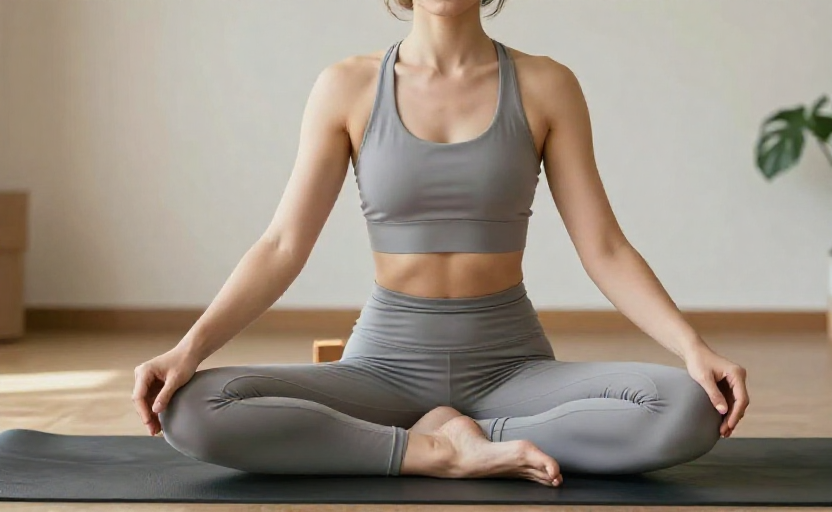
Before you enter any hip opener, check your pelvic position. In a standing or seated posture, tilt your pelvis slightly forward (anterior tilt) to create space in the front of the joint. Imagine your sitting bones reaching back and down, not tucked under. In deep squats or lunges, keep your chest lifted and your lumbar spine long. A neutral spine gives the femoral head room to glide freely.
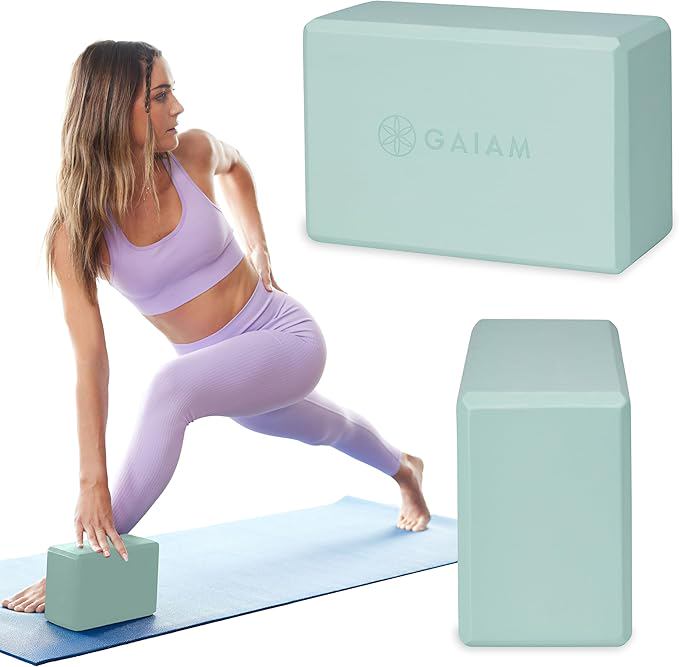
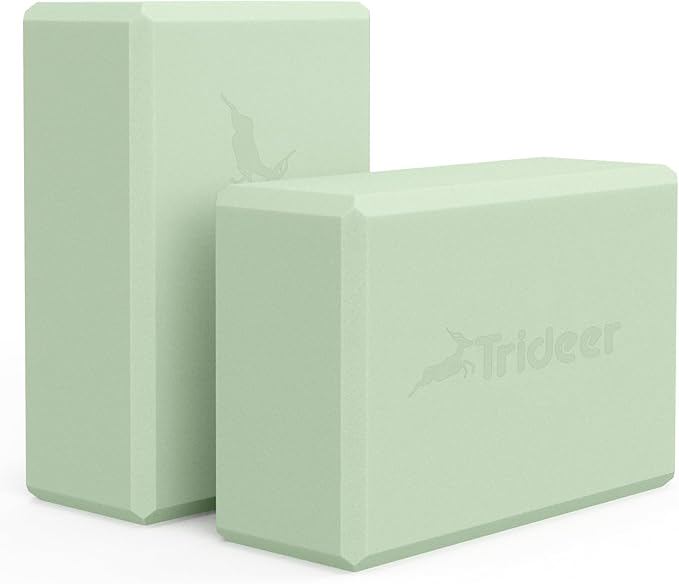
A simple drill: Sit on the edge of a block or folded blanket in a seated hip opener. The slight elevation allows your pelvis to tilt forward naturally, instantly deepening the stretch without force.
One More Layer: Breath as a Release Agent
Neither of these mistakes exists in isolation. They are often reinforced by holding the breath. When you brace or clench during a challenging hip opener, the nervous system stays in a low-level threat state. The breath is your primary tool to signal safety.
Try this: In any held hip pose, inhale to create a tiny bit of space in the joint—imagine the hip capsule expanding. On the exhale, consciously soften the belly and the inner thighs. Do not force a deeper range of motion on the exhale; just allow the softening to happen. Over a few breath cycles, you will notice the pose changes without you having to pull or yank.
A Simple Practice Reset
If your current routine is not delivering results, try this two-part approach for one week:
- Warm up the hip capsule. Before any deep poses, do 2–3 minutes of gentle circular movements—hip circles, leg swings, or Cat-Cow with a focus on the hip socket. This lubricates the joint and wakes up the proprioceptors.
- Do one active hip opener daily. Choose a single pose (e.g., Reclined Hand-to-Big-Toe with a strap, or Active Pigeon). Practice it with the engagement and pelvic alignment tips above for 5–7 breaths on each side. Quality over quantity matters far more than volume.
Hip opening is not about forcing the body into a shape. It is about creating the conditions—through muscle engagement, skeletal alignment, and breath—for the joint to find its natural freedom. Avoid these two mistakes, and you may finally feel the release you have been working toward.