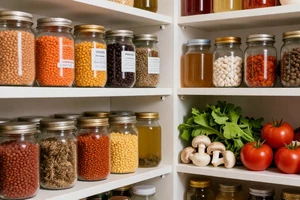

Small changes in the kitchen can have a big impact on heart health, especially when they don't require extra time or complicated techniques. The idea is to swap out a few standard ingredients for alternatives that offer more fiber, less saturated fat, or a better nutrient profile — all while keeping meals satisfying and flavorful. These two simple ingredient substitutions are easy to incorporate into everyday cooking and can help support cardiovascular wellness without sacrificing taste.
Swap 1: Use extra-virgin olive oil instead of butter or margarine
Butter and stick margarine are common in many recipes, but they are high in saturated fat and trans fats, which can raise LDL ("bad") cholesterol levels over time. Extra-virgin olive oil is rich in monounsaturated fats and polyphenols, compounds linked to reduced inflammation and better artery health. It works as a direct replacement in sautéing vegetables, roasting potatoes, or even baking if you use a 3:4 ratio — three parts olive oil to four parts butter called for in the recipe.
For a savory dish, try warming 1–2 tablespoons of olive oil with minced garlic and a pinch of red pepper flakes before adding greens like spinach or kale. The oil carries flavor beautifully and gives a silky finish. If you are making a quick salad dressing, whisk olive oil with lemon juice, a dab of Dijon mustard, and black pepper for a heart-friendly alternative to creamy bottled dressings.
Tip: Choose a "virgin" or "extra-virgin" olive oil for the most antioxidants. Lighter or "pure" olive oils are more processed and offer fewer heart benefits.
Swap 2: Use whole-grain flour or oat flour instead of refined white flour
White flour is stripped of the bran and germ, leaving mostly starch with very little fiber. Refined carbohydrates can cause rapid spikes in blood sugar and insulin, which are linked to higher triglyceride levels and increased heart disease risk. Whole-grain flour retains the fiber and micronutrients found in the kernel, helping to slow digestion and improve cholesterol markers.
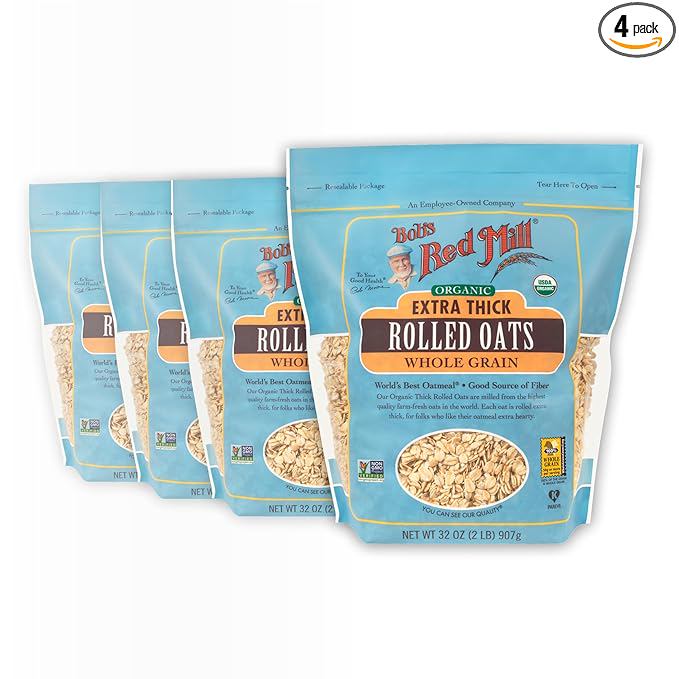
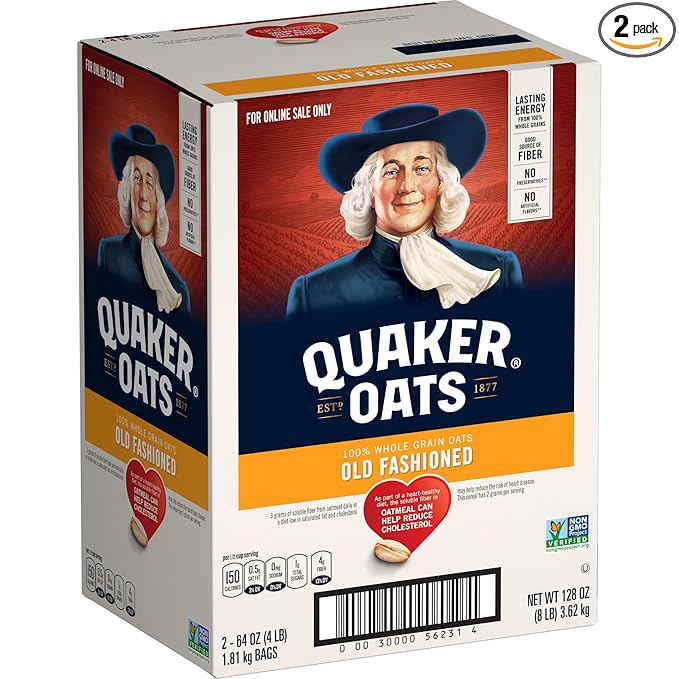
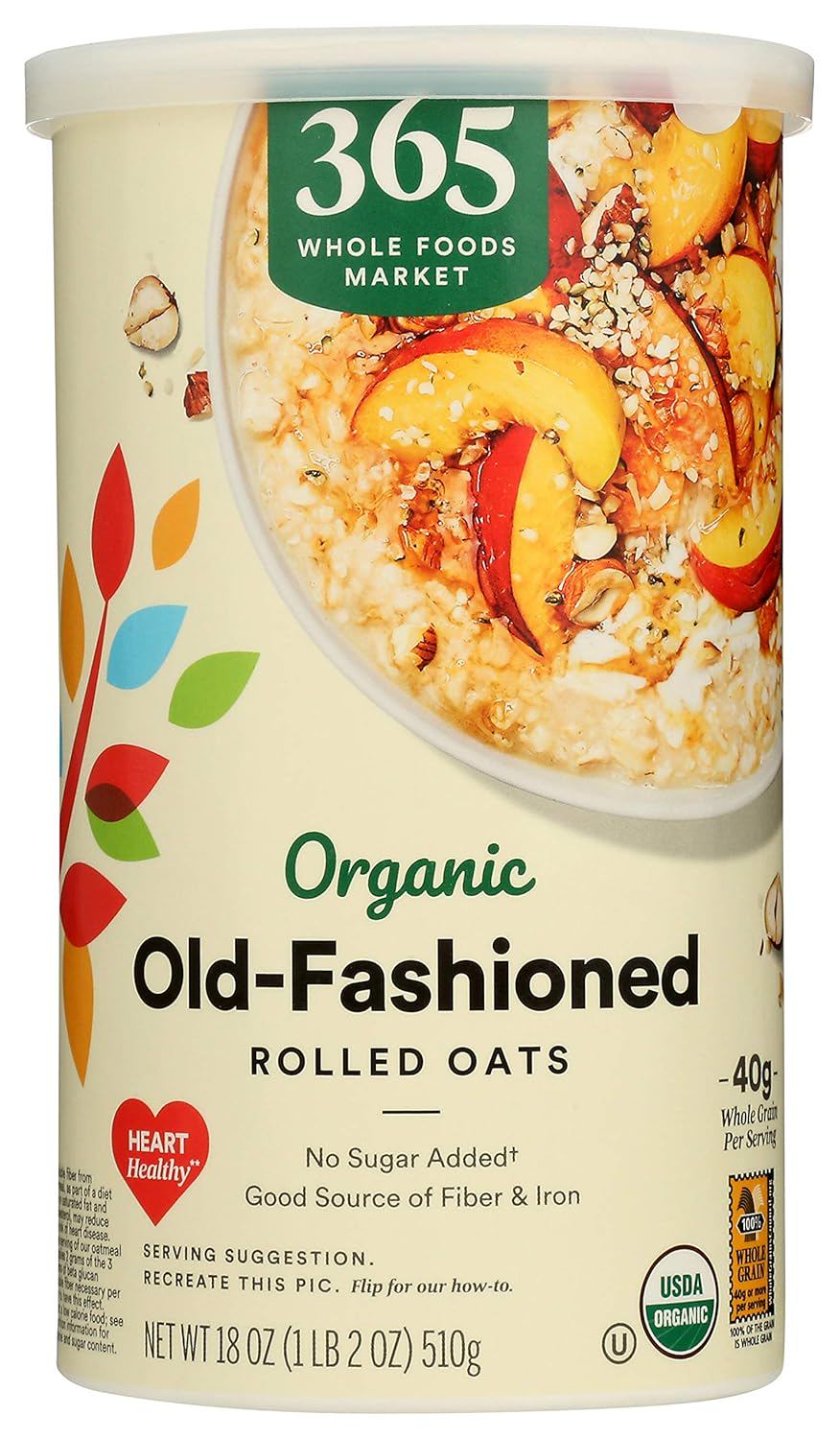
When making pancakes, muffins, or quick breads, substitute up to half the white flour with whole-wheat pastry flour or finely ground oat flour. Oat flour is particularly good because it contains beta-glucan, a soluble fiber shown to help lower LDL cholesterol. You can pulse rolled oats in a blender or food processor until fine to make your own oat flour in seconds.
For a savory use, mix equal parts whole-wheat flour and all-purpose flour when breading chicken or fish. The added fiber creates a crispier crust and a nuttier flavor, and it holds up well to pan-frying with a small amount of olive oil.
How to make these swaps stick
You do not need to overhaul your entire pantry at once. Start with one meal or one recipe per week and see how it feels. Many people find they actually prefer the taste and texture of whole grains and good olive oil once they adjust. Over time, these small shifts become automatic habits that support long-term heart health.
If you want an extra flavor boost without added salt or sugar, consider sprinkling a little smoked paprika, sumac, or nutritional yeast into your olive oil or whole-grain coatings. These add depth and richness without compromising the heart-healthy base you have built.