You step off the mat feeling stretched, steady, and peaceful. But two hours later, your jaw is clenched again, your mind is spinning, and that familiar tightness is back in your chest. If this sounds familiar, you are not alone—and it is not a sign that yoga is failing you. It may simply be that certain daily habits are quietly undermining the calm your practice is meant to build.
Yoga is a powerful tool for regulating the nervous system, but it works best when the rest of your day supports that work. When you finish savasana and immediately dive back into stress patterns that spike cortisol, the benefits can wash away before you notice. Here are two habits that many people overlook—and what to shift instead.
1. You Rush Into Stimulation Right After Practice
Perhaps the most common habit that erases yoga's anxiety-calming effect is the way you transition out of class or home practice. Instead of sitting quietly for a few minutes or sipping water in silence, many of us grab our phones, check notifications, answer emails, or jump straight into a fast-paced conversation.
When you do this, you signal your nervous system to switch from the parasympathetic (rest-and-digest) state you just cultivated back into sympathetic (fight-or-flight) mode. The result? You feel just as agitated as you did before you rolled out your mat.
A simple buffer of five minutes—no screen, no talking, no planning—can double the anxiety-relief duration of your practice.
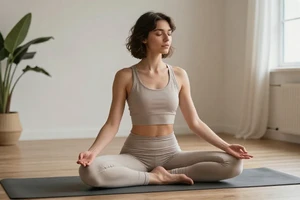
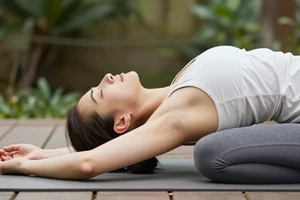
Try this: after your final pose, set a timer for five minutes. Stay seated or lie down with your eyes closed. Place one hand on your belly and one on your chest. Breathe naturally. If your mind wanders to your to-do list, gently bring it back to the sensation of breath. This transition ritual is not a luxury; it is the moment where the nervous system actually integrates the calm you just created.
2. You Use “Forcing” Breathing Techniques Throughout the Day
You have learned that breathwork helps anxiety, so you try to use it when stress hits. The problem? Many well-meaning practitioners reach for forceful, rapid, or effortful breathing techniques (like bellows breath or rapid kapalabhati) at the wrong times. These techniques are designed to energize and heat the body—not to calm an already-frayed nervous system.
If you find yourself practicing fast, forceful breathing or holding your breath with tension when you feel anxious, you may actually amplify your body's stress response. This habit signals your brain that danger is present, which increases heart rate and adrenaline.
Instead, reserve energizing breathwork for your morning practice or before physical activity. For moments of anxiety during the day, use only slow, gentle, extended exhalation. A simple ratio of inhale for four counts and exhale for six counts—without any force—is far more effective for lowering a racing heart. The key is ease; if the breath feels effortful, it is probably working against your goal.
When the Mat is Not Enough
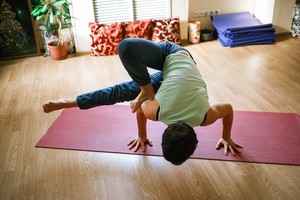
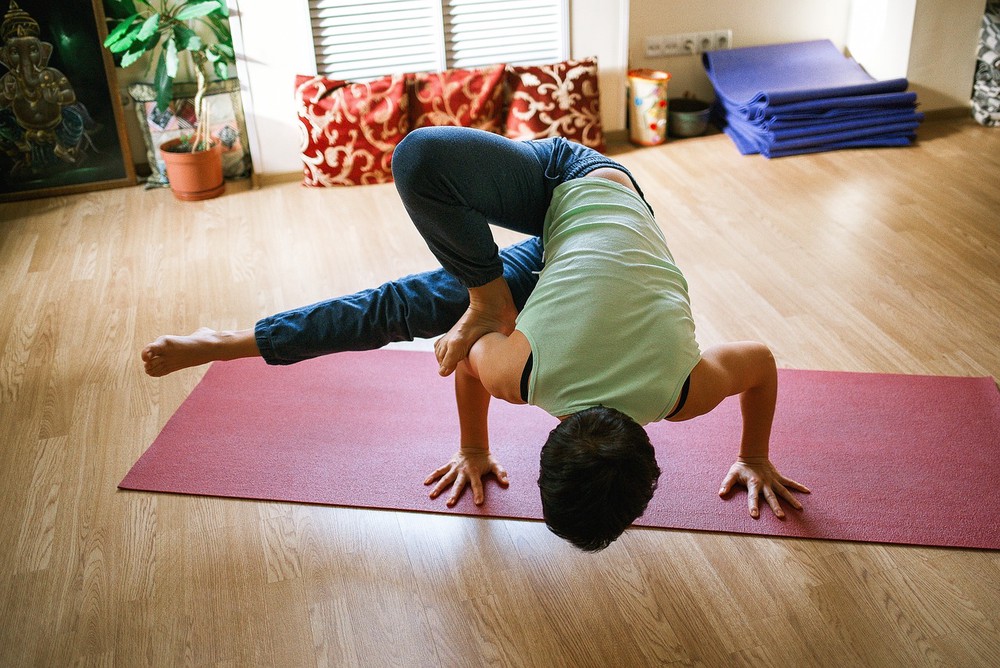
It is worth acknowledging that sometimes the issue is not the habit but the practice itself. If your yoga class is heavily focused on fast vinyasa flows, advanced arm balances, or competitive energy, it may be stimulating your sympathetic nervous system rather than calming it. A dynamic practice has its place, but if your goal is anxiety relief, you need a balance of restorative, yin, or slow-paced hatha sessions.
Also consider whether you are using yoga as a way to avoid or push through emotions. It is possible to stay busy on the mat—moving from pose to pose without ever pausing—so that you never have to feel what is underneath the anxiety. True healing involves learning to be still with discomfort, not just distracting yourself with movement.
Two Small Shifts That Change Everything
If you recognize yourself in either of these habits, do not worry. Small adjustments can make a meaningful difference. Here is a simple summary of what to try:
- Protect the post-practice window. Build a five-minute buffer of silence between your final pose and your next activity. No phone, no talking, no haste.
- Choose your breath wisely. Use gentle, extended exhalation for anxiety relief throughout the day. Save forceful breathing for energizing moments.
- Check your practice style. Ensure at least some of your weekly yoga is slow, supported, and restful rather than fast and competitive.
Yoga is not a magic switch—it is a practice that trains your nervous system over time. When you align your off-the-mat habits with what you cultivate on the mat, the calm starts to last longer than the drive home. That is the real payoff.