You step onto your mat with intention, roll through a sun salutation, and everything feels fluid—until the second side of triangle pose, when a dull headache creeps in or your muscles start to cramp mid-flow. Most yogis assume they just need to drink more water. But the truth is, the way you hydrate matters just as much as the amount. Two very common hydration mistakes sneak into practice regularly, subtly undermining your energy and recovery. Here’s what they are and how to adjust them without overthinking.
Mistake #1: Downing a full bottle of water right before class
It seems sensible—tank up before you sweat. Yet chugging 16 to 20 ounces of water in the ten minutes before your first downward dog often backfires. Your kidneys can only process about 800 to 1,000 milliliters of fluid per hour. Flooding your system right before practice means a sloshy stomach, frequent bathroom breaks, and diluted electrolytes before you even break a sweat.
Instead, front-load your hydration gradually. Aim to sip water consistently throughout the day, finishing your last substantial drink about 30 to 45 minutes before class. If you feel thirsty on the mat, take small sips during a child’s pose or between sequences—not big gulps. This keeps your fluid levels balanced without the discomfort of a full bladder or a heavy belly.
Small, steady sips throughout the day keep your kidneys happy and your practice comfortable. Save the big water bottle for after savasana.
Mistake #2: Replacing water with electrolyte drinks when you don’t need them
It’s easy to grab a brightly colored sports drink or coconut water before a gentle vinyasa because it feels “healthy.” However, unless your yoga session is over 75 minutes of intense heat (like Bikram or a power flow in a hot room), you likely don’t need the extra sugar and sodium. Standard electrolyte beverages often contain more sugar per serving than a chocolate cookie, and that sugar spike can lead to an energy crash mid-class or increased thirst.
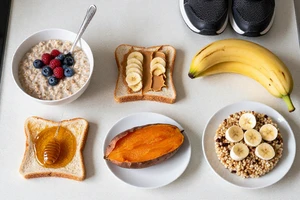
Water alone is usually sufficient for a 60-minute moderate flow. If you are doing a sweaty, hot-hour class or practicing for 90 minutes, drink plain water during the session and then put electrolytes back naturally afterward with a small pinch of sea salt in your water or by eating a banana or a handful of almonds post-class. That replenishes key minerals—sodium, potassium, magnesium—without the unnecessary calories.
Quick test for your hydration needs
Check your urine color before you roll out your mat. Pale straw or lemonade color means you’re well-hydrated. Dark yellow or amber means you need more water during the day (not right before class). Clear means you may be over-hydrating and diluting electrolytes. Adjust your daily habits based on that simple clue.
How to build a smarter hydration routine for yoga
Fixing these two mistakes isn’t complicated, but it does require a shift in timing and awareness. Here’s a simple framework you can adapt to your schedule and practice style.
- Spread your intake across the day. Keep a reusable water bottle at your desk or in your bag and take small sips every 15 to 20 minutes. This creates a steady baseline.
- Time your last full drink. Stop drinking large amounts about 30–40 minutes before class. A sip or two during practice is fine—listen to your body.
- Choose plain water for class. For standard one-hour sessions, skip the sports drinks. Save them for very hot or very long sessions.
- Replenish smartly after practice. Eat water-rich foods like cucumber, oranges, or watermelon, or pair a glass of water with a small salty snack to encourage fluid retention.
When your body signals dehydration during practice
Even with the best plan, subtle dehydration can still show up. If you notice dizziness when rising from forward fold, a headache that develops in the second half of class, or muscle cramping that feels like a charley horse in your calf, you are likely behind on fluids or electrolytes. Pause, take a few slow sips of water, and rest in a gentle stretch rather than pushing through. Your practice isn’t a race. Hydration supports recovery, not suffering.