You’ve eaten a balanced meal. You’re not stressed. Yet an hour later, your brain is whispering about a snack — or shouting for something sweet. Before you blame your willpower, consider this: the problem might not be in your stomach but in your water bottle.
Hydration and hunger are deeply connected, but not in a straight line. Many people confuse thirst for hunger, but the relationship goes deeper. Two very common hydration mistakes can quietly ramp up cravings and make you feel hungrier than you actually are. Here’s what they are — and how to fix them without overhauling your whole diet.
Mistake #1: Letting mild dehydration become chronic low-grade thirst
The first error is subtle. You drink enough to avoid feeling parched, but not enough to keep your body’s signals clear. Over time, even mild dehydration — losing just 1–2 percent of your body weight in water — can shift how your brain regulates appetite.
Research shows that dehydration triggers the release of vasopressin, a hormone that also stimulates the release of stress hormones like cortisol. Elevated cortisol is linked to increased cravings for sugar, salt, and fat. At the same time, the liver, which relies on water to break down stored glycogen, becomes less efficient. Your body interprets this as a need for quick energy — and you reach for a carb-heavy snack.
The fix isn’t complicated, but it requires awareness. Sip water steadily throughout the day rather than chugging it when you feel dry. Once you feel thirsty, you are already slightly dehydrated. If you struggle to remember, keep a glass on your desk and refill it at natural pauses — when you finish a task, between meetings, or before a screen break.
A simple check: Pale, straw-colored urine is a good sign. Dark yellow or amber means you’re running low.
Mistake #2: Drinking the wrong fluids at the wrong time
The second hydration error is about what you drink, and when. Fluids are not all equal when it comes to hunger. Sugary drinks, diet sodas, and even some flavored waters can trick your brain into expecting calories that never arrive — or spike your blood sugar and leave you crashing an hour later.
Coffee and tea, in moderation, can be hydrating. But relying on caffeinated drinks as your primary fluid source, especially on an empty stomach, can backfire. Caffeine triggers a mild stress response, which can increase cortisol and ghrelin — a hormone that signals hunger. If your first three cups of the day are coffee with little water, you may feel hungrier by lunchtime than if you had alternated with plain water.
Alcohol is another culprit. Even one drink can dehydrate you and lower blood sugar regulation the next day, leading to carb cravings. The pattern is common: a glass of wine or beer in the evening, a restless night, and then a ravenous morning where only pancakes or pastry sound right.
The solution is to anchor your hydration to plain water — and treat other beverages as extras, not replacements. Try matching every caffeinated or alcoholic drink with an equal amount of water. For flavored options, infuse water with cucumber, mint, lemon, or berries rather than relying on added sugars or artificial sweeteners.
Why this matters for weight management
If you are trying to lose weight or manage cravings, these two errors can quietly sabotage your efforts. When dehydration masquerades as hunger, you consume extra calories your body doesn’t need. When sugary or caffeinated beverages disrupt your appetite signals, you end up eating more at meals or reaching for snacks that don’t satisfy.
Hydration also affects how your body metabolizes fat. Decreased water intake is linked to slower lipolysis — the process of breaking down fat for energy. In short, being well-hydrated helps your body burn fat more efficiently. Being even mildly dehydrated makes it harder.
Practical ways to stay ahead of thirst
- Drink a full glass of water with every meal and snack. This not only boosts hydration but also adds volume to your stomach, which can improve satiety.
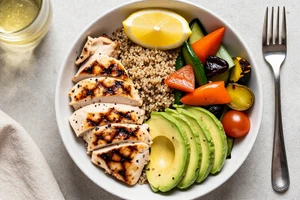
- Eat water-rich foods. Cucumbers, celery, zucchini, melon, berries, and citrus fruits contribute significantly to your fluid intake. They also provide fiber and nutrients that support stable blood sugar.
- Set a gentle rhythm. Aim for about 8 cups (64 ounces) of fluid daily from water and other beverages, adjusting for exercise, heat, and your body size. More is not always better — excessive water intake without electrolytes can be counterproductive.
- Watch for afternoon cravings. Many people experience a dip in energy and focus around 2–4 p.m. This is a common time for both low hydration and a blood sugar dip. Try drinking water first, wait 10–15 minutes, then decide if you are truly hungry.
When to see a professional
If you have consistent, strong cravings or feel thirsty even after drinking plenty of fluid, check in with a healthcare provider. Some medical conditions — such as diabetes, thyroid disorders, or certain medications — can alter thirst and appetite in ways that simple hydration adjustments won’t fix.
For most people, though, the solution is straightforward: drink enough water consistently, choose plain water as your main beverage, and let your body’s real hunger signals speak clearly. Your snack cravings may quiet down on their own.