You finished your workout feeling strong. An hour later, your knee is throbbing. If you are new to exercise and dealing with nagging knee pain after your sessions, you are not alone. Many beginners unknowingly fall into two common habits that can turn a good sweat session into a source of joint discomfort. The good news is that both are easy to fix once you know what to watch for.
Habit 1: Locking Your Knees at the Top of the Movement
It is a natural instinct to straighten your legs fully when you stand up from a squat or push up from a leg press. But when you lock your knees into full extension with weight on your shoulders or under load, you transfer the force from your thigh muscles directly onto the knee joint. Instead of your quads and glutes absorbing the work, the pressure lands on the cartilage and ligaments behind the kneecap. For a beginner whose supporting muscles are still developing, this repeated jolt can irritate the joint and lead to that familiar ache that shows up hours later.
What to do instead
Keep a soft bend in your knees at the top of any standing or pressing movement. Think about keeping your thighs engaged through the entire range of motion. You are not trying to short-change your workout; you are protecting the joint by letting your muscles do the braking and stabilizing work they are designed for.
Habit 2: Letting Your Knees Cave Inward During Squats and Lunges
This is the most common form breakdown I see in new lifters. When your knees drift toward each other during the lowering phase of a squat or lunge, you create a twisting torque at the knee. The kneecap loses its smooth tracking path in the femoral groove, and the medial ligament on the inside of the knee gets stretched unevenly. For someone just starting out, this can cause sharp or burning pain during the movement itself, followed by a dull soreness that lingers into the next day.
A quick cue: as you squat or lunge, imagine you are pushing the floor apart with your feet. That external rotation signal often helps keep the knees tracking over the second toe.
Strength the glutes, protect the knees
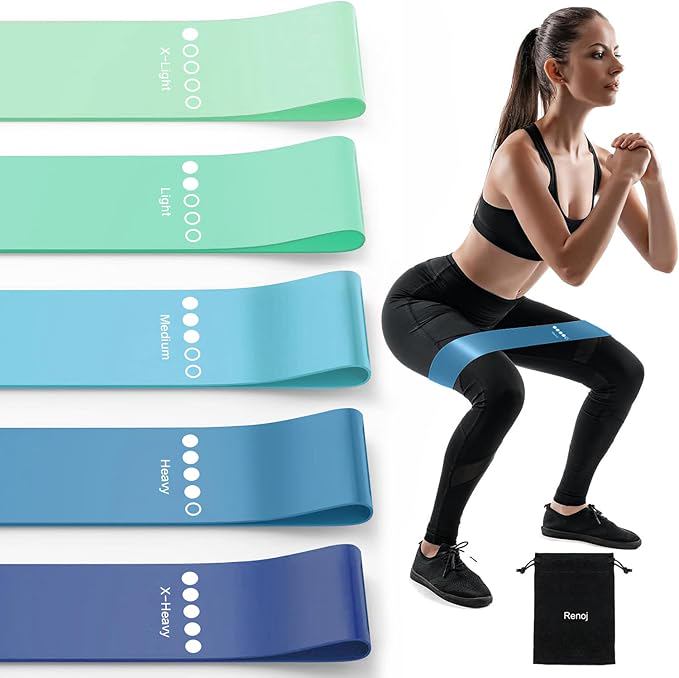
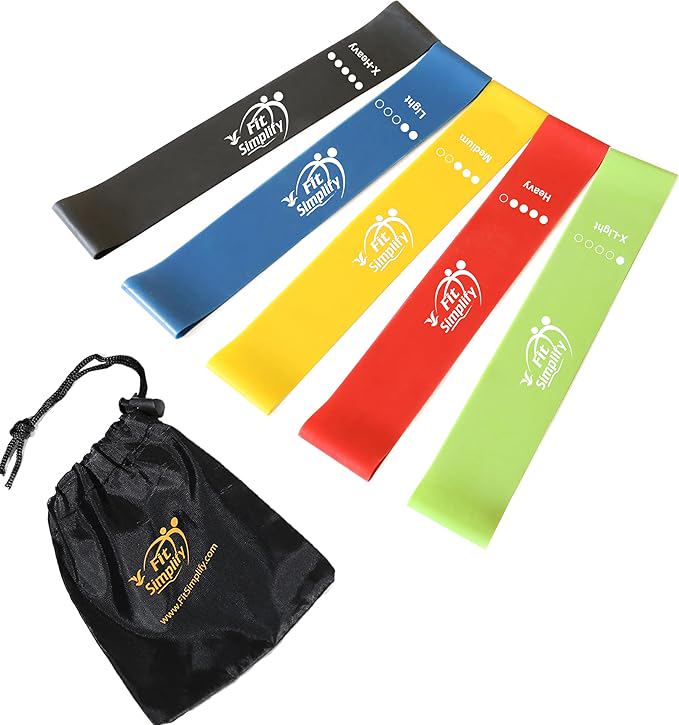
Knee collapse often comes from weak glute medius muscles. Adding simple side-lying leg raises, clamshells, or lateral band walks to your warm-up can wake up those stabilizers. When your glutes fire properly, your knees naturally stay in better alignment. Do not skip this step.
What about the rest of your workout?
These two habits are the most common culprits, but they rarely travel alone. If you are also doing exercises on unstable surfaces, skipping your warm-up, or jumping into high-impact moves before you have built a solid foundation, your knees will let you know. The key is to fix these two specific patterns first. Many beginners see dramatic improvement in post-workout knee pain after making just these adjustments.
A sample warm-up for knee-friendly training
Take five minutes before your main workout to prime the joint. Try the following sequence:
- Standing knee circles (30 seconds each direction)
- Body-weight squats with the soft-knee cue (10 reps)
- Lateral band walks (10 steps each direction)
- Glute bridges with a hold at the top (10 reps, 3-second hold)
This sequence wakes up the hips, activates the glutes, and rehearses the movement patterns you will use under heavier load.
When to see a professional
If you have been correcting these habits for two weeks and still feel sharp pain or significant swelling, it is time to check in with a physical therapist or sports medicine clinician. The exercises themselves are sound, but individual anatomy or previous injuries sometimes require a more tailored approach. Listen to your body and respect the signals it sends you.