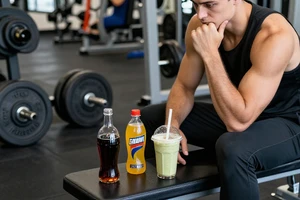

You crushed your workout. You pushed through the last rep, the final sprint, the burn. Now what? For many beginners, the post-workout meal is an afterthought—something to grab when hunger strikes. But that meal is one of the most important tools you have for building strength, repairing muscle, and setting yourself up for the next session.
Think of your muscles like a construction site after a hard day's work. The workout creates tiny tears in the muscle fibers. Without the right materials—protein to rebuild, carbohydrates to refuel, and fluids to rehydrate—those repairs happen slowly and inefficiently. The post-workout window, often called the anabolic window, is when your body is primed to put those materials to work. This guide walks you through the why, when, and what of eating after exercise, so you can turn effort into results.
What happens to your muscles during and after a workout?
When you lift weights, run, or do bodyweight exercises, you are stressing your muscles. This stress creates microscopic damage to the muscle fibers, which is a normal and necessary part of getting stronger. Your body responds by breaking down old or damaged proteins and starting to build new ones. This process is called muscle protein synthesis (MPS). For MPS to outpace muscle breakdown, you need a steady supply of amino acids—the building blocks of protein—along with energy from carbohydrates. Without fuel, your body may start breaking down muscle tissue for energy, which is the opposite of what you want.
Why timing matters: the anabolic window
The term “anabolic window” refers to a period after exercise when your muscles are especially receptive to nutrients. Research suggests this window lasts about 30 to 60 minutes after a workout, though some studies show benefits up to two hours later. During this time, blood flow to the muscles is elevated, and enzymes that help store glycogen and synthesize protein are more active. That doesn't mean you must eat within seconds of putting down the dumbbell, but waiting hours can reduce the effectiveness of your recovery. A simple goal: aim to eat a balanced meal or snack within 60 to 90 minutes post-exercise.
The key components of a recovery meal
Protein: the builder
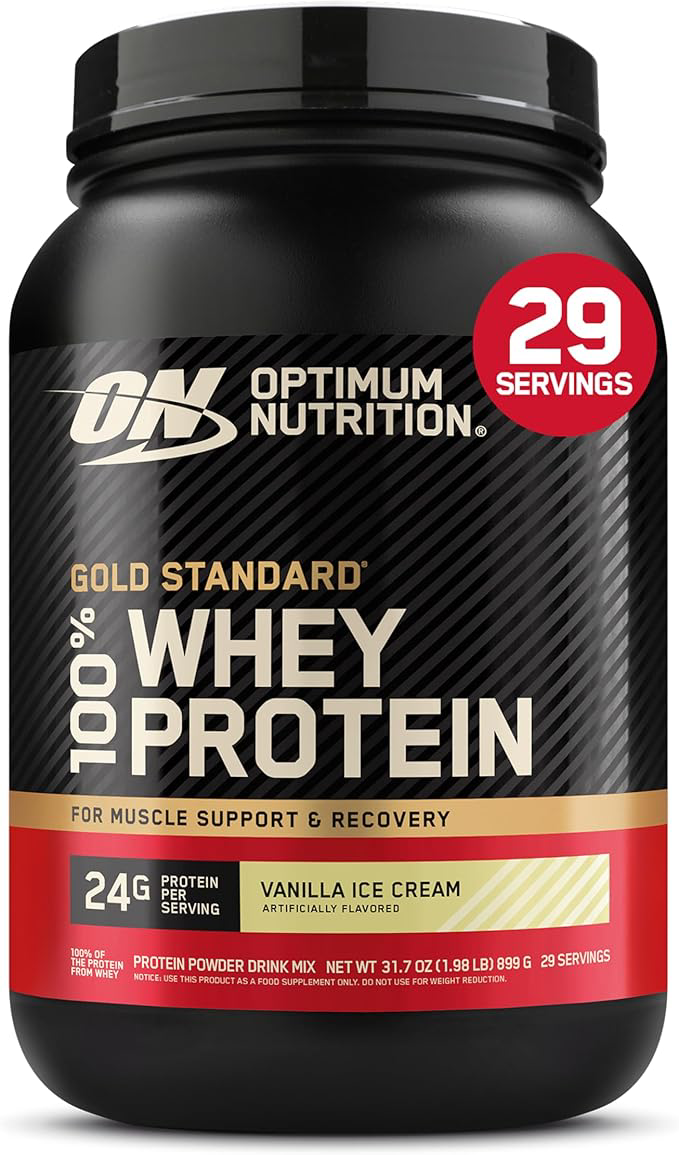
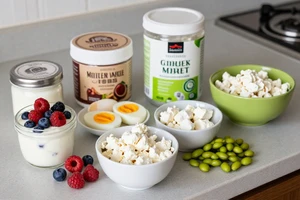
Protein provides the amino acids your muscles need to repair and grow. For most people, 20 to 30 grams of high-quality protein after a workout is a solid target. Good sources include lean chicken, turkey, fish, eggs, Greek yogurt, cottage cheese, or plant-based options like tofu, tempeh, and lentils. Complete proteins—those containing all nine essential amino acids—are especially useful. Whey protein, found in milk, is a popular post-workout choice because it digests quickly. If you're plant-based, a combination of rice and pea protein works well.
Carbohydrates: the refueler
Carbohydrates replenish the glycogen stores you burned during exercise. Without them, you may feel sluggish and have less energy for your next workout. A ratio of about 2:1 or 3:1 (carbs to protein) is common for endurance activities, while strength training may call for a more balanced ratio. Think of a turkey sandwich on whole-grain bread, a bowl of oatmeal with berries, or a banana with peanut butter. The exact amount depends on the intensity and duration of your workout, but a general guideline is 30 to 60 grams of carbs post-exercise.
Fluids and electrolytes
Rehydration is part of recovery. Water is your best bet, but if you sweat heavily, you may benefit from electrolytes like sodium and potassium. Coconut water, a pinch of salt in your water, or a piece of fruit can help restore balance. A simple test: weigh yourself before and after a workout and drink 16 to 24 ounces of fluid for every pound lost.
A quick tip for beginners: don't overthink the perfect post-workout meal. A balanced plate—palm-sized protein, fist-sized carbs, and a fist of veggies—works well for most people. Start simple and adjust based on how you feel.
Sample post-workout meals for beginners
Here are three easy ideas. Each provides a solid mix of protein, carbs, and a touch of healthy fat.
- Chicken and sweet potato bowl: 4 ounces grilled chicken, 1 medium sweet potato, and a handful of steamed broccoli. Drizzle with olive oil.
- Greek yogurt parfait: 1 cup Greek yogurt, ½ cup mixed berries, 2 tablespoons granola, and a drizzle of honey.
- Smoothie: 1 scoop protein powder, 1 banana, 1 cup milk (dairy or plant-based), and a handful of spinach. Blend with ice.
Common mistakes beginners make
One common misstep is skipping the post-workout meal entirely, thinking you'll “save calories.” That can backfire by slowing recovery and increasing muscle soreness. Another mistake is relying on protein bars or shakes for every meal. While convenient, whole foods offer a wider range of nutrients. Finally, don't forget to eat enough total calories throughout the day—a single post-workout snack won't counteract an overall deficit.
Does the type of workout matter?
Yes, to a degree. If you finished a long endurance session—say, a 10-mile run—you'll need more carbs than someone who did a 30-minute strength circuit. The protein target remains similar, but the carb-to-protein ratio shifts. For strength training, emphasize protein to support muscle repair. For endurance, focus on replenishing glycogen with carbs and adding protein. Listen to your body: if you feel drained the next day, you may need to adjust your post-exercise nutrition.
What about timing for different goals?
If your goal is muscle gain, the post-workout meal is non-negotiable. Eating enough protein and carbs within the anabolic window supports growth. If your goal is weight loss, don't skip the meal—just choose lower-calorie options like grilled chicken with vegetables or a small protein shake. The key is to support recovery without exceeding your daily energy needs. A registered dietitian can help tailor these guidelines to your specific situation.
In the end, the post-workout meal is not a magic bullet, but it is a powerful lever. Eating intentionally after exercise gives your body the tools it needs to rebuild, recharge, and come back stronger. Start with something simple, pay attention to how you feel, and adjust as you go. Your next workout will thank you.