
Walk into any gym or scroll through any fitness feed and you’ll see them: fast, shallow push-ups done on autopilot. It’s the most common pattern among beginners, but it’s exactly what weakens the exercise. That one mistake—rushing the rep and losing tension—turns a powerful strength builder into a joint-straining shoulder rocker.
Once you see it, you can’t unsee it. And fixing it is the fastest way to unlock real upper-body strength from a bodyweight push-up, no extra equipment required.
What’s the #1 mistake? Losing tension at the top.
Most new trainees finish each push-up by locking their elbows out hard, fully relaxing the chest and triceps at the top. They bounce into the next rep without thinking about control. This pause at lockout—where the arms are straight and the chest is not engaged—is the culprit.
When you relax at the top, you lose what trainers call “continuous tension.” Your muscles get micro-rest periods, which drastically reduces strength gains per rep set. Worse, jerking into a locked elbow shifts load into the shoulder capsule and elbow joints rather than your pecs and triceps.
The fix is simple: never fully lock your elbows. Keep a micro-bend at the top and actively squeeze your chest and triceps for one full second before descending. This one cue turns a sloppy movement into a controlled strength exercise.
Why most people rush—and why it’s counterproductive
Rushing feels productive. Fast reps give a dopamine hit of “I did 20!” But rushing erodes form and reduces time under tension, the key driver of muscle growth. The eccentric (lowering) phase is where most muscle breakdown occurs. If you drop like a stone, you skip that benefit entirely.
Think of each rep as a slow, deliberate press. Take 2–3 seconds to lower, pause an inch above the floor, then drive up in 1–2 seconds. This triples the effective work per rep without adding a single extra push-up.
Try this: Do a set of 5 slow push-ups with a 3-second lowering phase. You’ll likely feel your chest and triceps working harder than your usual set of 15 rushed reps.
The second mistake beginners make alongside rushing
Poor hand and elbow position almost always accompanies the speed problem. Beginners often flare their elbows out to 90 degrees—forming a “T” shape with their body. This overstretches the front shoulder capsule and reduces chest activation because the arms are too wide.
Fix: set your hands directly under your shoulders or slightly outside, and keep elbows at a 45-degree angle to your torso. Point your fingers forward or slightly outward. Imagine you’re trying to push your thumbs together—that cue engages the pecs and protects the shoulder simultaneously.
Combine proper hand placement with the no-lockout rule, and you’ve already eliminated 90% of beginner push-up flaws.
What does a proper push-up actually feel like?
If you’re accustomed to fast push-ups, the correct version will feel significantly harder at first. You’ll hit fatigue sooner, your chest will burn earlier, and you may drop from 20 sloppy reps to 8 clean ones. That’s good. The quality rep is far more productive for building muscle and neural adaptation.
- Head position: Keep your neck neutral, as if holding an egg under your chin. Don’t look up at a mirror or down at the floor.
- Core brace: Squeeze your glutes and abs as if someone were about to tickle your ribs. Your entire body should be rigid—not just your arms.
- Breathing pattern: Inhale on the way down; exhale powerfully on the push.
Once this form clicks, the push-up becomes a full-body tension drill, not just an arm pump.
How to progress without more weight
You don’t need a weighted vest to advance once pull-ups get easy. Advanced variations increase intensity by applying the same tension principle:
- Slow negatives: Lower over 5 seconds; push up in 1 second.
- Pause push-ups: Hold the bottom position for 3 seconds before pressing up.
- Feet-elevated push-ups: Place feet on a chair or step to increase load on the upper chest and shoulders.
- Diamond push-ups: Hands together under chest—targets triceps and inner pecs.
Each variation works best when the core mistake (rushing + losing tension) is already eliminated.
Common questions beginners ask about push-up form
Do I need to touch my chest to the floor?
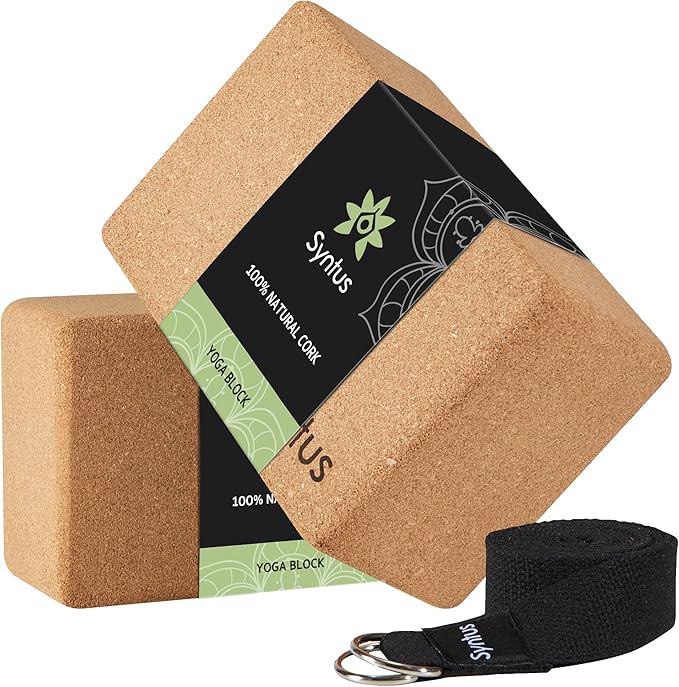
Only if you can maintain a straight line from head to heels. If your lower back sags or your hips drop to reach the floor, reduce your range of motion. Use a yoga block or rolled-up towel under your chest as a depth guide. The goal is full range without losing body tension.
Is it okay to do push-ups every day?
Yes, if you keep quality high and volume moderate—something like 3–5 sets of 8–12 quality reps. Overdoing daily high-volume sets with poor form will overload the wrists and shoulders. Better to do fewer reps with perfect control than to grind out 100 sloppy push-ups each evening.
Can push-ups build significant chest size?
Yes, especially in the early months. Once you can cleanly do 20+ reps, adding a weighted vest or switching to harder variations (archer push-ups, deficit push-ups) will continue growth. But for most beginners, fixing this one mistake yields visible chest and triceps gains within 4–6 weeks because the muscles finally work through their full capacity.
What if my wrists hurt during push-ups?
Wrist pain often comes from poor hand placement and lack of warm-up. Widen your hands slightly or turn them outward 30 degrees. You can also do push-ups on fists (with padded mats) or use push-up handles/parallettes. Stretching your wrist extensors before starting also helps.
The cure for the #1 beginner mistake takes only one mental cue: squeeze at the top, don’t lock out. Combine that with a 2–3 second lowering phase and elbows at 45 degrees, and your push-ups will transform from a wasteful joint shaker into a true strength builder. Give it two weeks and see whether your pecs stop shrugging and start growing.