
Starting a strength training routine is a major step. You're asking your muscles to do something new, and they respond by adapting—and by being sore. That soreness, often called delayed onset muscle soreness (DOMS), is a normal part of the process. But what you put in your body between those sessions can make a real difference in how you feel and how well your muscles repair.
There are many recovery products on the market, but as a beginner, you don't need a shelf full of powders and potions. The three drinks below are accessible, effective, and backed by a solid understanding of exercise physiology. They support the two main goals of post-workout recovery: replenishing energy stores and providing the building blocks for muscle repair.
1. Chocolate Milk: The Practical All-Rounder
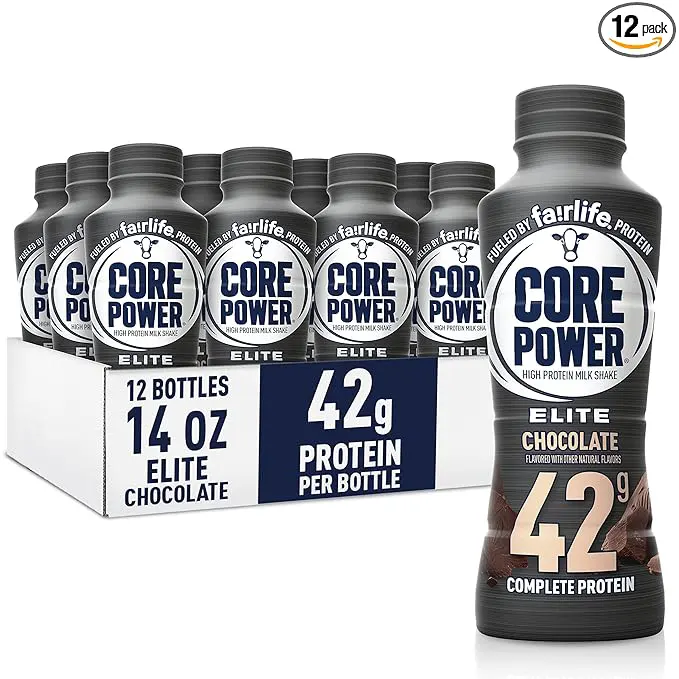
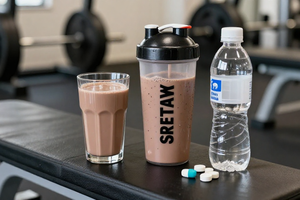
Chocolate milk is often cited in sports nutrition research as an effective recovery drink, and for good reason. It offers a natural ratio of carbohydrates to protein—roughly 3-to-1 or 4-to-1, which is considered ideal for post-exercise recovery.
- Why it works for beginners: The carbohydrates in the milk and chocolate help replenish glycogen (the stored energy you just used during your workout). The protein provides amino acids to repair the microtears in your muscle fibers caused by lifting.
- Who it's for: Anyone who can tolerate dairy well. It's inexpensive, needs no mixing, and is widely available.
- A simple caveat: Choose low-fat or skim chocolate milk to avoid excessive saturated fat, which can slow down the absorption of nutrients you need quickly after exercise.
2. Tart Cherry Juice: For Inflammation and Sleep
Recovery isn't just about protein. It's also about managing the inflammation that naturally occurs after training. Tart cherry juice is rich in antioxidants called anthocyanins, which have been shown to reduce oxidative stress and may help decrease muscle soreness.
This drink plays a longer game. It's not the immediate protein punch that chocolate milk provides; rather, it's a supportive player for overall recovery, especially if you drink it in the evening. Some research also suggests the melatonin content in tart cherries can improve sleep quality, and sound sleep is when your body does the most repair work.
Look for unsweetened tart cherry juice concentrate. The tart flavor is strong, so you can dilute it with water. A small glass before bed is a sensible approach for a beginner.
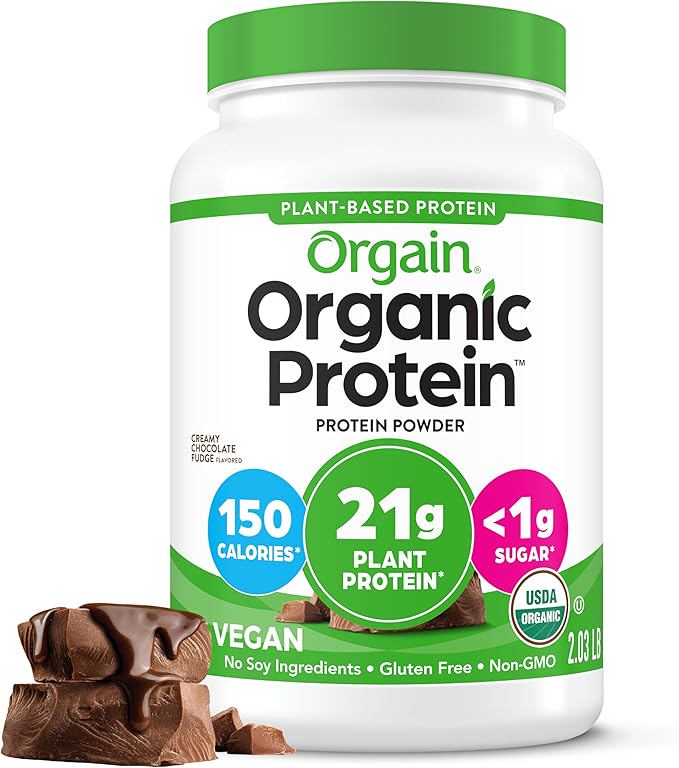
3. A Simple Protein Shake (Whey or Plant-Based)
While chocolate milk is a whole-food option, a protein shake provides precision. You know exactly how much protein you're getting, and it digests quickly. For a beginner, having a shake within 30 to 60 minutes after a strength session can jumpstart muscle protein synthesis.
- Whey protein: This is a fast-digesting dairy protein. It's complete, meaning it contains all the essential amino acids, and it's particularly high in leucine, the amino acid most responsible for triggering muscle repair.
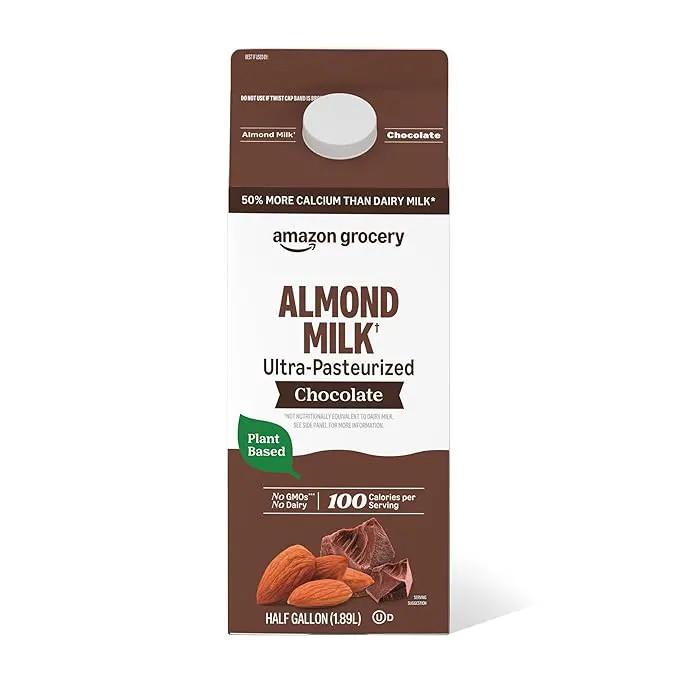
- Plant-based options: Pea protein or a blend of pea and rice protein are excellent alternatives for those who avoid dairy. They can be just as effective when you consume an adequate amount.
- Keep it simple: You don't need a blend with dozens of ingredients. A plain or minimally flavored protein powder mixed with water or milk is sufficient. Avoid products with long lists of artificial additives.
What About Water?
No discussion of recovery drinks is complete without mentioning water. All of the drinks above should be considered additions to—not replacements for—proper hydration. Strength training causes fluid loss through sweat. If you are dehydrated, your body cannot efficiently deliver nutrients to your muscles or remove waste products. Make it a habit to drink water throughout the day and during your workout. The other drinks are there to meet specific recovery needs, while water meets your baseline need.
Timing and Practical Tips for Beginners
You don't need to be rigid about downing a drink the second you set down the barbell. Your "recovery window" for optimal nutrient uptake is broader than many old-school fitness articles suggest—roughly two hours after exercise.
If your next meal is soon after your workout, you might not need a recovery drink at all. A balanced meal with lean protein, vegetables, and whole grains does the job. Use these drinks when you have a few hours between your session and your next meal, or when you need something convenient.
Pay attention to your body. If dairy bloats you, skip the chocolate milk and go for the plant-based shake. If tart cherry juice is too tart, try adding it to sparkling water. The goal is sustainability—find what you can stick with, not what feels like a chore.
Final Word
As a beginner in strength training, your priority should be consistency with your workouts and basic nutrition. You do not need a cabinet full of supplements. Chocolate milk, tart cherry juice, and a simple protein shake cover your bases: fast fuel, inflammation support, and direct protein delivery. Experiment with one at a time, see how you feel after your next session, and build from there.