
You know the feeling: you drift off peacefully, only to jolt awake an hour later with your pajamas clinging to your skin and the sheets twisted into a damp knot. For many people navigating perimenopause or menopause, this isn't a rare fluke—it's a recurring frustration. Night sweats are a hallmark of hormonal transition, but what many don't realize is that they often worsen before they get better. Understanding why this happens is the first step toward quieter nights.
The short answer lies in your thermostat. Deep inside your brain, the hypothalamus acts as your body's internal temperature regulator. When estrogen levels begin to fluctuate and decline, this tiny region becomes confused. It mistakenly thinks your core temperature is too high and signals your body to cool down—fast. The result? Sudden, intense heat, flushing, and drenching sweats that can disrupt sleep and leave you exhausted.
Why do night sweats intensify during perimenopause?
Perimenopause is a period of significant hormonal chaos. Estrogen doesn't decline in a straight line; it surges and drops unpredictably. These sharp dips are precisely what trigger the hypothalamus to misread your temperature. As you move closer to menopause (the point when you've gone 12 months without a period), those estrogen troughs become deeper and more frequent, making night sweats more severe.
Progesterone also plays a role. This hormone has a calming, sleep-promoting effect, and its decline during perimenopause can reduce sleep quality. Poor sleep itself can make the body more sensitive to temperature shifts, creating a vicious cycle where you're more likely to notice and be disturbed by a hot flash.
Four practical ways to turn down the heat at night
You cannot stop hormonal shifts from happening, but you can build a sleep environment and routine that reduces the frequency and intensity of night sweats. These four tips are grounded in common sense, sleep hygiene, and the physiology of temperature regulation.
1. Layer your bedding and sleepwear strategically
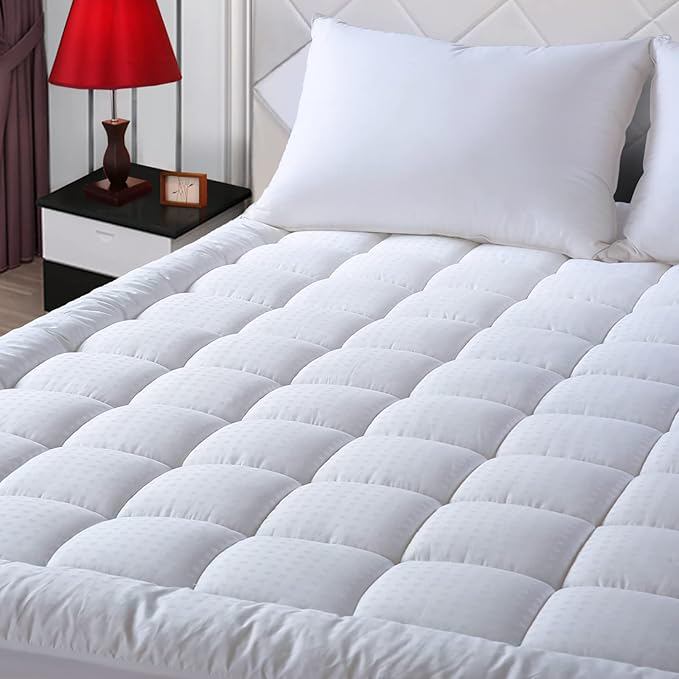
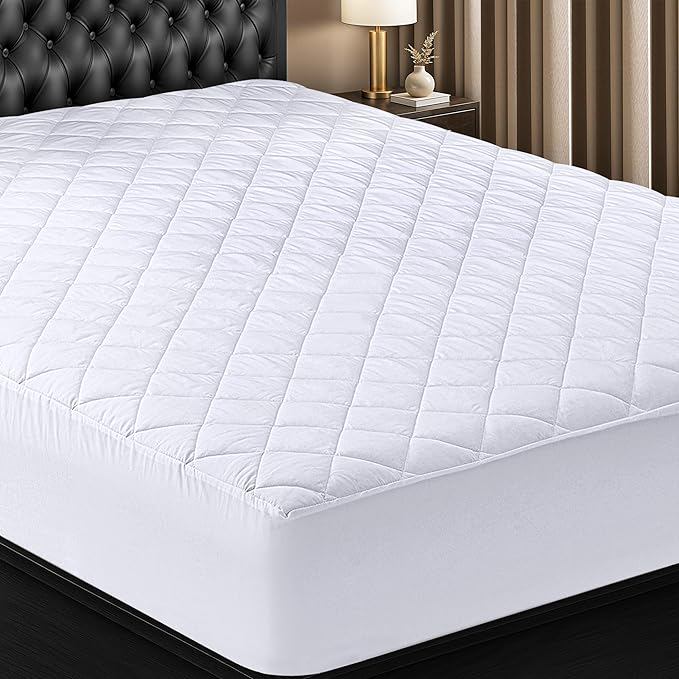
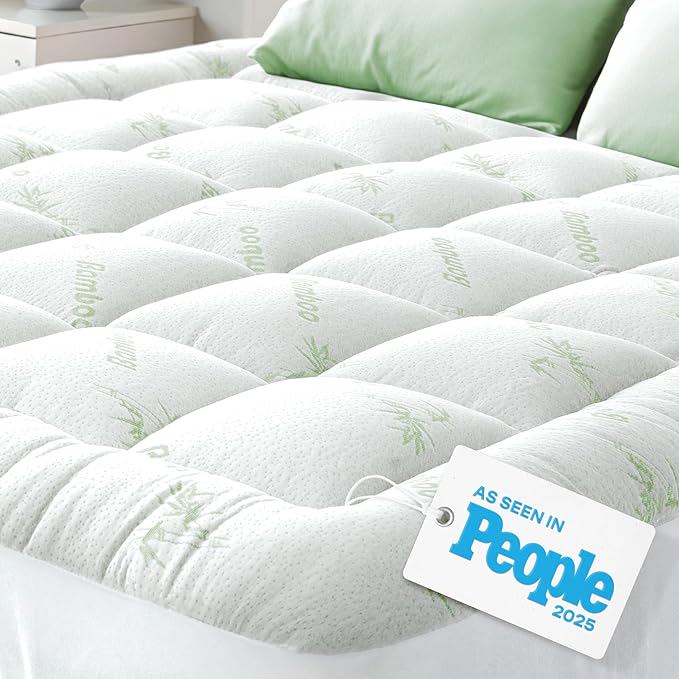
A heavy comforter traps heat against your body, turning your bed into an oven the moment a flash begins. Instead, build a cooling system. Use a lightweight, breathable top sheet and one or two thin blankets you can kick off or pull up as needed. Sleepwear made from natural fibers like cotton or bamboo allows moisture to evaporate rather than trapping it against your skin. Some people find that wearing a short-sleeve cotton shirt with a separate light jacket or hoodie nearby gives them control over temperature without waking fully.
2. Chill your core before you hit the pillow
A warm bath or shower right before bed raises your body temperature and can paradoxically set you up for a night sweat when your body tries to cool down. Instead, try a lukewarm or cool shower 60 to 90 minutes before bedtime to lower your core temperature gradually. You can also place a cool, damp washcloth on your forehead, neck, or wrists just as you lie down. This sends a signal to your hypothalamus that you are already cool, which may dampen the intensity of a hot flash.
3. Keep a bedside cooling toolkit within arm's reach
When a night sweat hits, searching for a fan remote or getting up for a glass of water can fully wake you and make it harder to fall back asleep. Prepare a small tray or basket on your nightstand: a handheld fan, a chilled water bottle, a small spray mist bottle filled with cool water, and an extra cotton t-shirt you can change into without turning on the light. The goal is to respond within seconds, not minutes, so you can settle back down quickly.
4. Time your last meal and drink with care
Spicy foods, caffeine, and alcohol are common triggers for hot flashes in many people. Caffeine and alcohol can also disrupt sleep architecture independently. Aim to finish your last meal at least two to three hours before bed. If you enjoy an evening drink, limit alcohol to one serving early in the evening, and swap caffeinated tea or coffee for herbal infusions like chamomile or peppermint after 4 PM. Paying attention to your personal trigger foods for a week can reveal patterns you can adjust.
Small changes to your sleep environment and evening habits can help you respond to night sweats more calmly, reducing their impact on your rest and energy the next day.
When to check in with a healthcare provider
Night sweats are a normal symptom of hormonal transition, but they can occasionally signal something else. If you experience very heavy night sweats accompanied by unexplained weight loss, persistent fever, or localized pain, it's worth discussing with your clinician to rule out other causes. For most people, however, these episodes are a temporary—if annoying—part of the menopause journey. Hormone therapy, certain antidepressants, and other prescription options can offer relief for severe symptoms if lifestyle adjustments are not enough. A conversation with your provider can help you weigh the risks and benefits based on your personal health history.
A calmer perspective on the nights ahead
It's easy to dread the night when you expect to be drenched again, but anticipating discomfort can itself raise stress hormones that make hot flashes more likely. Try reframing the experience: night sweats are a sign that your body is adapting to a new hormonal baseline. Each episode is temporary. With a cooling plan in place and the right mindset, you can reduce the disruption and protect your sleep quality. You deserve rest that leaves you refreshed, not fried.