
Menopause brings a host of changes, and one of the most significant happens deep inside your body: bone density loss. The drop in estrogen during this transition accelerates bone breakdown, putting you at a higher risk for osteoporosis and fractures. The good news is that your skeleton is a dynamic organ, and it responds to the right signals. While you can't stop the hormonal shift, you can absolutely slow the rate of bone loss. Below, four expert-backed strategies that go beyond the standard advice to help keep your frame strong.
1. Prioritize Protein and Produce for Acid-Alkaline Balance
Your body maintains a very precise pH balance, and your diet plays a major role in that equation. Many modern diets are acid-forming due to high intakes of processed foods, grains, and animal proteins without enough buffering minerals. To neutralize this acid, your body will actually leach calcium from your bones — think of it as your skeletal system being used as a mineral bank.
To protect that bank, focus on a diet rich in alkaline-forming foods. This isn't about avoiding all protein, but about pairing it correctly. Every meal should feature generous portions of leafy greens (kale, spinach, collards), broccoli, bell peppers, and other colorful vegetables. These foods provide magnesium, potassium, and vitamin K — all co-factors that help your body actually deposit calcium into bone rather than just circulating it.
Quick tip: Squeeze lemon juice over your greens. Despite being acidic before digestion, lemons have an alkalizing effect once metabolized.
2. Load Up on Magnesium and Vitamin K2
You hear a lot about calcium and vitamin D, and they are important. But two lesser-discussed nutrients are arguably more critical for directing calcium to the right place: magnesium and vitamin K2. Magnesium helps activate vitamin D, which is necessary for calcium absorption. Without enough magnesium, the vitamin D you take may actually raise calcium levels in your blood without it ever reaching your bones.
Vitamin K2 acts like a traffic director. It takes calcium circulating in your bloodstream and activates a protein (osteocalcin) that binds calcium to the bone matrix. Without K2, calcium can end up calcifying in your arteries instead of strengthening your skeleton.
Good food sources for magnesium include pumpkin seeds, almonds, Swiss chard, and black beans. For vitamin K2, look to fermented foods like natto (fermented soybeans), aged cheese, sauerkraut, and grass-fed butter or ghee.
3. Incorporate Resistance Training That Creates Bone Strain
Walking is wonderful for cardiovascular health, but it doesn't create enough mechanical strain to stimulate significant bone building in the hips and spine for most menopausal women. Bone cells — osteocytes — are activated by impact and loading. To slow density loss, you need exercises that slightly jar the skeleton or pull forcefully on the muscle attachments at the bone.
- Weight-bearing cardio: Instead of a bike or elliptical, opt for stair climbing, hiking with a weighted vest, or brisk walking on an incline.
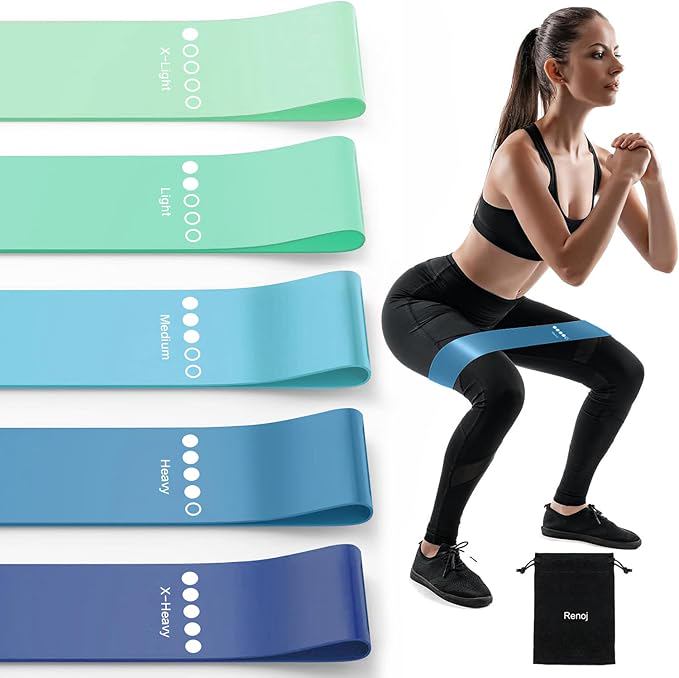
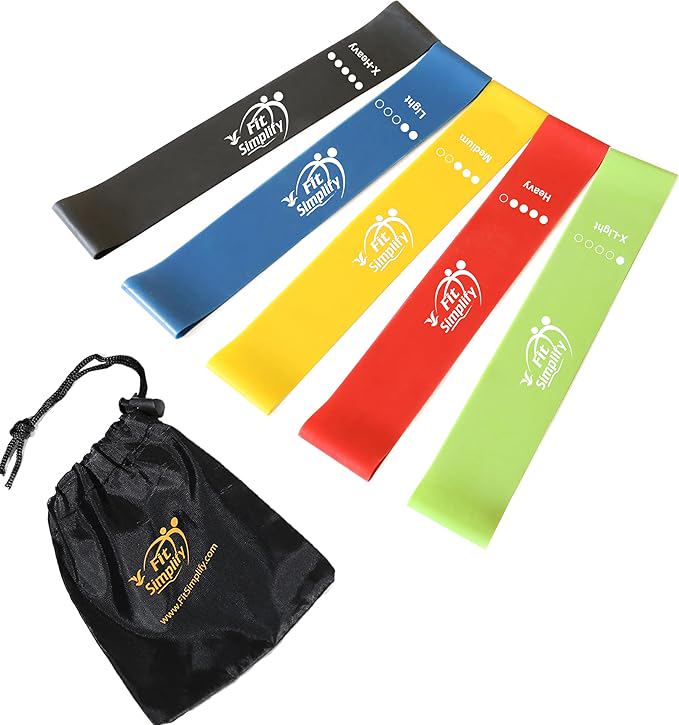
- Progressive resistance: Focus on compound lifts like squats, deadlifts, overhead presses, and lunges. You want to work against resistance that challenges your skeleton, so using dumbbells, kettlebells, or barbells is ideal. Bodyweight squats are a start, but adding load is where the real bone response happens.
- Jumping exercises: Simple heel drops (rise on your toes and drop your heels to the ground) or box jumps (if your joints allow) create high-impact strain. Start low and build up slowly.
Aim for at least two to three sessions per week of actual bone-loading work, not just gentle stretching or yoga (though yoga helps with balance and fall prevention).
4. Reduce Inflammatory Foods and Caffeine Overload
Chronic low-grade inflammation accelerates bone resorption — the process where old bone is broken down faster than new bone is formed. Two common dietary culprits during menopause are high sugar intake and excessive caffeine.
Sugar spikes insulin and promotes inflammatory cytokines that signal osteoclasts (the cells that break down bone) to become more active. Caffeine, on the other hand, has a mild diuretic effect that can increase calcium excretion through urine. For menopausal women already losing bone protective estrogen, this can be an unnecessary drain.
You don’t need to quit coffee entirely. But limiting caffeine to one cup per day and ensuring you’re well hydrated with water and mineral-rich herbal teas (like nettle or oatstraw) can help. Also reduce your intake of refined carbohydrates (white bread, pastries, sugary cereals) and processed seed oils high in omega-6 fats (soybean, corn, canola).
Slowing bone density loss during menopause is about creating an environment where your body can still build bone efficiently. These four strategies — balanced diet, targeted nutrients, resistance training, and lowering inflammation — work synergistically. Small, consistent changes today can mean a much stronger, more resilient frame for decades to come.