
If you are navigating perimenopause or menopause, bone health may not be the first thing on your mind — hot flashes, sleep disruption, and mood swings often take center stage. Yet the quietest change happening inside your body is one of the most consequential. Falling estrogen levels directly accelerate bone density loss, and understanding that link is the first step toward protecting your skeleton for decades to come.
This is not about alarm. It is about awareness. Bone loss does not cause pain in the early stages, so by the time a fracture happens, a significant amount of structural integrity has already been lost. Here is what you need to know about the estrogen-bone connection, how to spot the risk factors, and what practical steps you can take to keep your bones strong.
What estrogen does for your bones
Estrogen acts like a master regulator for your skeletal system. It keeps two types of bone cells in balance. Osteoblasts build new bone, and osteoclasts break down old bone. When estrogen levels are robust, it signals the osteoclasts to slow down — essentially putting the brakes on bone resorption. It also helps osteoblasts survive longer so they can keep depositing new bone matrix.
Think of estrogen as the conductor of an orchestra. Without its steady hand, the bone-remodeling process becomes chaotic. The breakdown accelerates, and the rebuilding cannot keep pace. Over time, the net result is a measurable loss of bone mineral density.
The tipping point: perimenopause and menopause
The most significant decline in estrogen happens during the menopausal transition. During perimenopause, your ovaries begin producing less estrogen, and your menstrual cycles become irregular. This is when bone loss can start to accelerate — often before you even realize it. Research indicates that women can lose up to 20 percent of their bone density in the five to seven years surrounding menopause.
After your final menstrual period, estrogen levels settle at a very low baseline. That steady, low-estrogen state means bone remodeling is permanently tilted toward breakdown. Without intervention, the annual rate of bone loss can hover around 1 to 2 percent for several years. For women who enter menopause with lower-than-average peak bone mass — which is largely determined by genetics, nutrition, and physical activity in young adulthood — the impact can be especially stark.
How bone density loss actually happens
Bone is living tissue. It is constantly being remodeled in microscopic packets called bone multicellular units. Normally, a small amount of bone is removed, and then a roughly equal amount is laid down in its place. That tight coupling keeps your skeleton strong and capable of repairing micro-damage.
When estrogen drops, the balance shifts. Osteoclasts become more active. They dig deeper and more numerous resorption pits. Meanwhile, osteoblasts do not receive the same survival signals, so their activity lags. The result is a structural deficit in each remodeling cycle. Over months and years, those tiny deficits accumulate. The bone trabeculae — the spongy inner lattice — become thinner, and some struts may break and disconnect entirely. Cortical bone, the dense outer shell, also becomes more porous.
This process is why DEXA scans (dual-energy X-ray absorptiometry) use T-scores to compare your bone density to that of a healthy young adult. A T-score of -1.0 or above is considered normal. Between -1.0 and -2.5 is osteopenia (low bone mass). At -2.5 or below, the diagnosis is osteoporosis — the point at which the skeleton is fragile enough to fracture from minor stresses like coughing, bending, or a low-height fall.
Other factors that amplify the risk
Falling estrogen is the main driver, but it does not act alone. Several co-factors can accelerate bone loss during and after menopause:
- Low body weight — Women with a BMI under 19 have less mechanical loading on bone and lower estrogen production from fat tissue.
- Smoking and heavy alcohol use — Both directly inhibit osteoblast activity and interfere with calcium absorption.
- Long-term glucocorticoid use — Medications like prednisone strongly suppress bone formation.
- Thyroid disorders — Both hyperthyroidism and overtreatment with thyroid hormone can speed bone turnover.
- Poor calcium and vitamin D intake — Your body needs adequate substrate to support whatever bone formation is possible.
One key insight: The damage from low estrogen is most rapid in the first decade after menopause. After that, bone loss slows to a more gradual pace — but the deficit remains. Acting early gives you the best window to preserve what you have.
Practical steps to protect bone density
No single intervention can fully replace the bone-protective role of natural estrogen, but a combination of strategies can meaningfully slow the rate of loss and reduce fracture risk.
Weight-bearing and resistance exercise
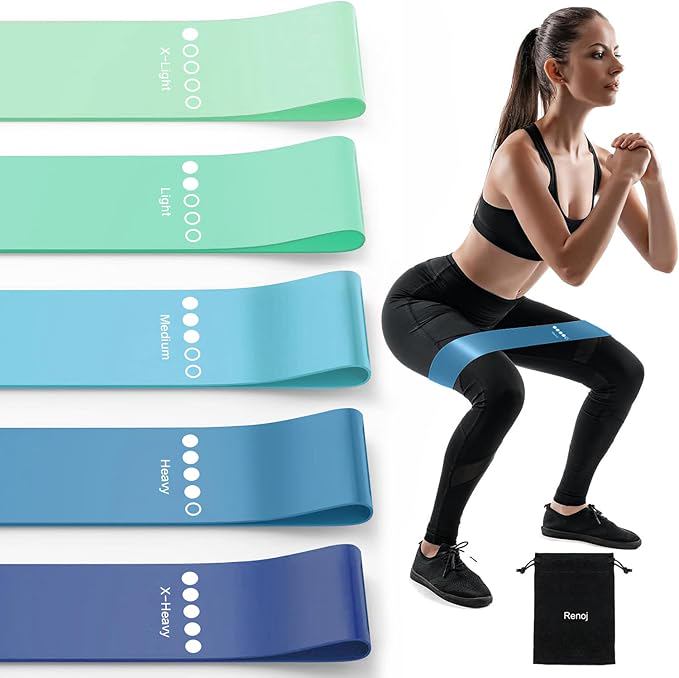
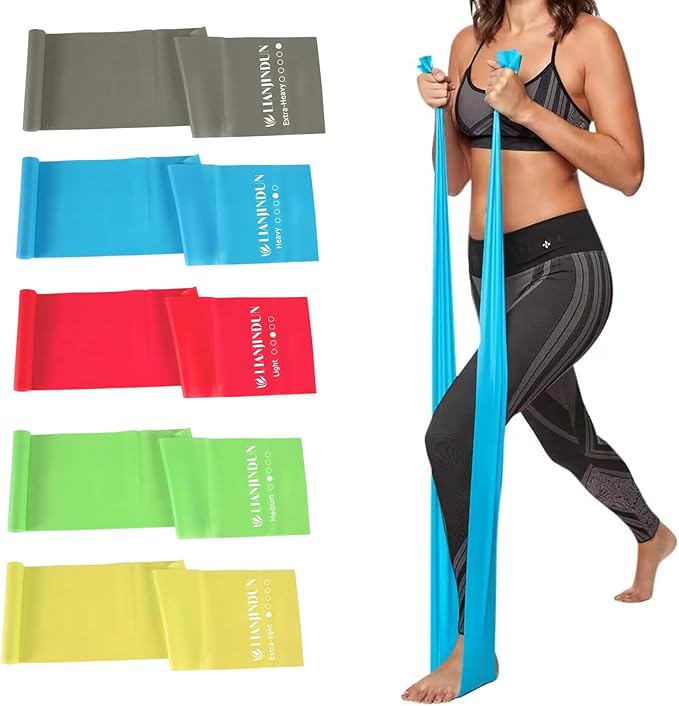
Your bones respond to mechanical strain. Weight-bearing activities like brisk walking, jogging, stair climbing, and dancing place load through the skeleton and signal osteoblasts to stay active. Resistance training — using free weights, resistance bands, or body-weight exercises — builds muscle strength and improves balance, which directly reduces fall risk.
Aim for at least 30 minutes of weight-bearing activity most days, plus two to three sessions of muscle-strengthening work per week. Focus on compound movements that involve the spine, hips, and legs: squats, lunges, deadlifts, rows, and planks. If you already have low bone density, avoid heavy spinal flexion (like crunches or toe touches) and work with a physical therapist or certified trainer who understands osteoporosis precautions.
Calcium and vitamin D
Your daily calcium target from all sources is about 1,200 mg for postmenopausal women who are not taking estrogen therapy. Dietary sources are preferred: dairy products, canned sardines or salmon with bones, fortified plant milks, and leafy greens like kale and bok choy. If you fall short, a calcium supplement (usually 500–600 mg per dose, taken with food) can help bridge the gap — but do not exceed the upper limit of 2,000 mg per day from supplements plus diet combined.
Vitamin D is essential for calcium absorption. A blood level of at least 30 ng/mL (75 nmol/L) is a common target for bone health. Many women need a daily supplement of 600 to 2,000 IU in addition to sun exposure and fortified foods. A simple blood test can guide your dose.
Protein intake
Bone matrix is about 50 percent protein by volume. Low protein intake is associated with worse bone density and higher fracture risk. Most women need at least 1.0 to 1.2 grams of protein per kilogram of body weight per day as they age — roughly 75 to 90 grams for a 165-pound woman. Distribute protein across meals rather than loading it all at dinner.
Estrogen therapy as an option
Menopausal hormone therapy (MHT), specifically estrogen therapy, is the most direct way to counter the estrogen-driven bone loss. Systemic estrogen (pill, patch, or gel) has been shown to preserve bone density and reduce the risk of spine and hip fractures. It is most effective when started within ten years of menopause. However, it is not appropriate for everyone — women with a history of breast cancer, blood clots, or certain cardiovascular conditions may not be candidates. This is a decision to discuss thoroughly with your healthcare provider, weighing benefits against individual risks.
Non-hormonal medications
For women who cannot or choose not to take estrogen, there are non-hormonal prescription options. Bisphosphonates (alendronate, risedronate, and others) are the most widely used. They work by inhibiting osteoclast activity, effectively slowing bone resorption. Raloxifene, a selective estrogen receptor modulator (SERM), mimics some of estrogen's effects on bone without stimulating breast or uterine tissue. Denosumab is a injectable antibody that targets a key signal for osteoclast formation. Each medication has its own side-effect profile and duration-of-use considerations; these require a prescription and a fracture risk assessment by a clinician.
When should you get tested?
The National Osteoporosis Foundation recommends a baseline bone density test (DEXA scan) for all women age 65 and older, and for postmenopausal women under 65 who have any of the major risk factors: a prior fracture after age 50, a parent who broke a hip, smoking, low body weight, or long-term steroid use.
If you are in early perimenopause and have significant risk factors, talk to your doctor about earlier screening. A single baseline scan can give you a clear picture of where you stand. If results show osteopenia, you may not need medication yet — but you have a strong incentive to optimize your diet and exercise routine. If you already have osteoporosis, treatment can dramatically cut your fracture risk.
The bigger picture
Bone density loss is not an inevitable disaster. It is a predictable biological transition that responds well to targeted action. The key is not to panic but to plan. Know your numbers, strengthen your body, feed your skeleton, and have an honest conversation with your clinician about whether medication or hormone therapy is a fit for your specific picture.
Your bones carried you through every mile walked, every floor climbed, every weight lifted before menopause. With the right support, they can keep carrying you well into your later years — just a little wiser about what they need.