Get Advice
Home intimate-health menopause 3 foods that help your body use hormone replacement therapy more effectively
menopause 2 min read

3 foods that help your body use hormone replacement therapy more effectively

Written By Chloe Reed
Jul 07, 2026
Reviewed by   Hannah Cole, MD
Skincare and wellness enthusiast who loves diving into ingredient science. I translate complicated research into everyday skincare advice.
3 foods that help your body use hormone replacement therapy more effectively
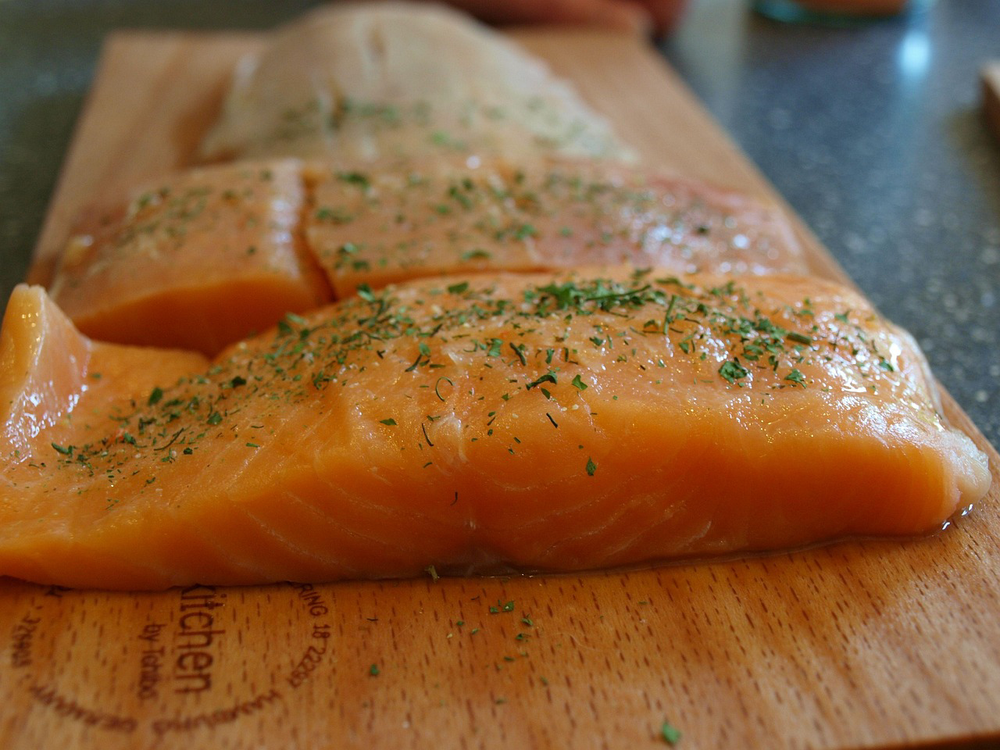
3 foods that help your body use hormone replacement therapy more effectively Source: Pixabay

Hormone replacement therapy (HRT) can be a game-changer for managing menopause symptoms, but the foods you eat can influence how well your body responds. Certain nutrients help your system absorb and utilize hormones more efficiently, potentially reducing side effects and improving symptom relief. Here are three science-backed foods to consider adding to your plate.

Fatty Fish for Better Hormone Transport

Wild salmon, mackerel, sardines, and other fatty fish are rich in omega-3 fatty acids, which play a key role in cell membrane health. Hormones need healthy cell membranes to enter cells and do their job. Omega-3s also help reduce inflammation, a common issue during menopause that can interfere with hormone signaling.

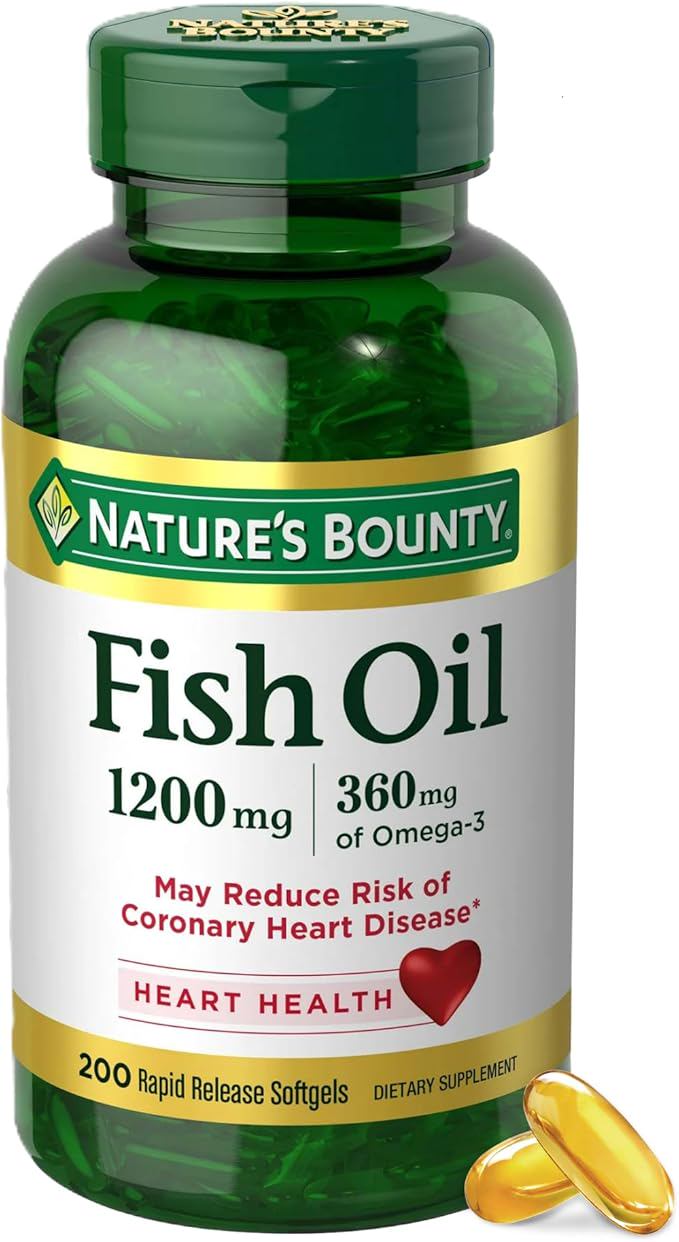
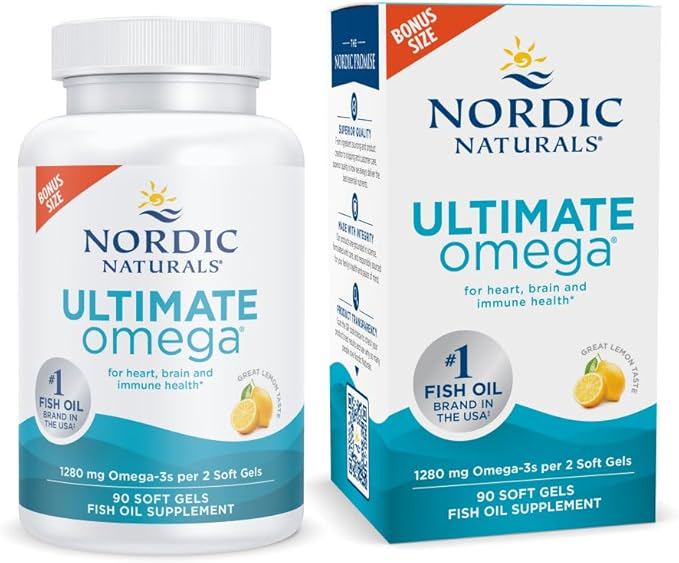
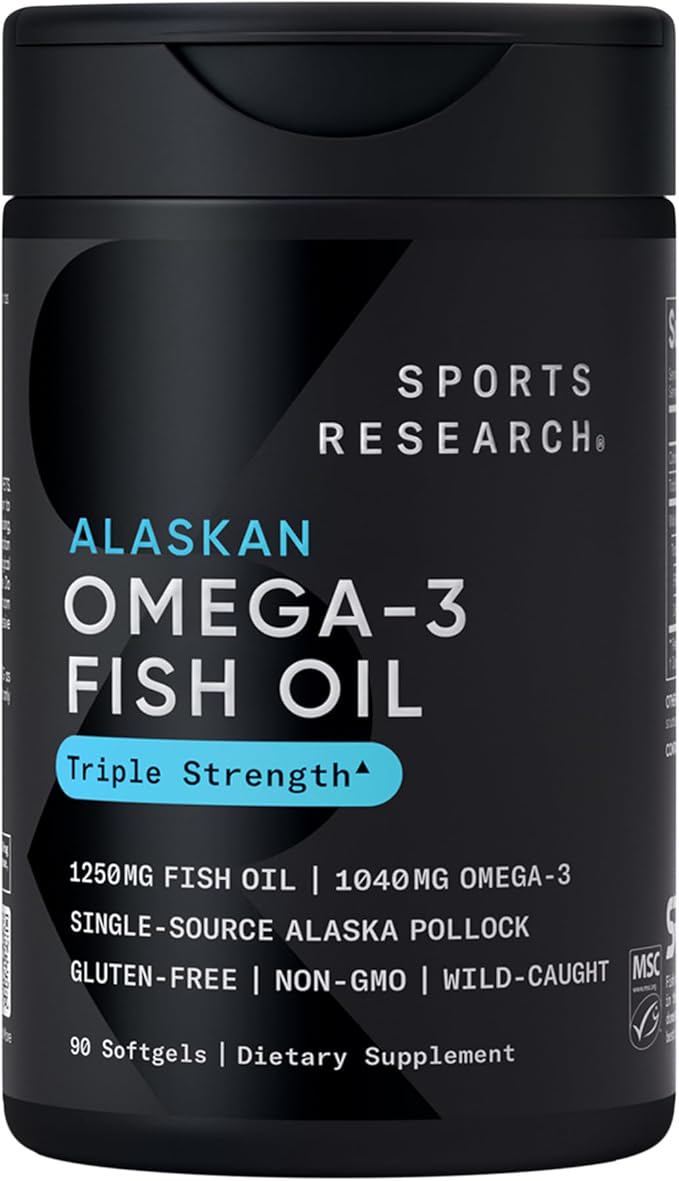
Aim for two servings of fatty fish per week. If fish isn’t your thing, a high-quality fish oil supplement may offer similar benefits, though whole food sources are generally preferred.

Cruciferous Vegetables for Healthy Hormone Metabolism

Broccoli, cauliflower, Brussels sprouts, and kale contain compounds called indoles and sulforaphane. These help your liver process hormones more effectively, supporting the body’s natural detoxification pathways. When your liver works well, it can break down used hormones and maintain a healthy balance, which may help HRT work more consistently.

Try roasting a mix of cruciferous vegetables with olive oil and garlic as a simple side dish a few times per week. Steaming or lightly sautéing preserves more nutrients than boiling.

Fermented Foods for Gut-Hormone Connection

Your gut microbiome plays a surprising role in hormone regulation. Fermented foods like yogurt, kefir, sauerkraut, kimchi, and miso contain beneficial probiotics that support a healthy gut lining. A healthy gut helps prevent inflammation and ensures that hormones from HRT are absorbed properly rather than being excreted too quickly.

Incorporating a serving of fermented food daily — such as a cup of plain yogurt or a spoonful of kimchi with a meal — can make a meaningful difference over time.


Putting It All Together

These three food groups work synergistically. Fatty fish support cell-level hormone activity, cruciferous vegetables help your liver manage hormone levels, and fermented foods optimize gut health for better absorption. No single food is a magic bullet, but combining them as part of a balanced diet supports your body’s ability to use HRT effectively.

Always talk to your healthcare provider before making significant dietary changes, especially if you have any underlying health conditions or are taking medications.

Related FAQs
Yes, some foods may reduce the effectiveness of HRT. Grapefruit and grapefruit juice can interfere with estrogen metabolism in the liver, potentially altering hormone levels. Excessive alcohol and high doses of soy isoflavones may also affect hormone balance. It's best to consult your healthcare provider about any specific food concerns related to your HRT regimen.
You can begin supporting your body with a hormone-friendly diet at any time, including before or after starting HRT. Many women find that making gradual changes — such as adding one serving of fatty fish per week — is easier to maintain. Consistency over months matters more than a sudden overhaul.
While no foods are strictly off-limits, it's wise to limit processed foods high in sugar and unhealthy fats, as they can promote inflammation and may counteract the benefits of HRT. Some women also choose to reduce caffeine and spicy foods if they worsen hot flashes. The focus should be on a balanced, whole-foods diet.
Yes, the anti-inflammatory properties of omega-3s from fatty fish may help reduce breast tenderness and bloating. Fermented foods can support digestion and reduce constipation, which some women experience with HRT. Cruciferous vegetables support liver function, which may help the body process hormones more smoothly and lessen mood swings.
Key Takeaways
  • Fatty fish like salmon provide omega-3s that support cell membrane health and hormone transport.
  • Cruciferous vegetables such as broccoli help the liver metabolize hormones efficiently.
  • Fermented foods like yogurt and kimchi improve gut health, aiding HRT absorption.
  • Combining these foods consistently may enhance HRT effectiveness and reduce side effects.
Medical Note
This article is for informational purposse only and should not be taken asanb caring teotio ongpontyBeotot bacnts Spotiroeprofestional medical loloice. Awwver consux with a healthcart-professenar-tal for medical advice and ineatment.
Comments
  • No comments yet. Be the first to share your thoughts.
Leave a Comment
Login with Google to comment.
Looking for more personalized guidance?
Explore expert-informed wellness content tailored to your health interests and goals.
Get Advice
Recommended for
Your Health
Slay healthy with us
No recommended article
  • No recommended article
    No data
    -
    该列表没有任何内容
About the Author
Chloe Reed
Preventive Health Writer