
When estrogen levels shift during perimenopause and menopause, bones can lose density faster than they rebuild. This doesn't mean a fracture is inevitable—but it does mean your skeleton needs targeted support. Experts in endocrinology and bone health consistently point to five foundational strategies that can help maintain bone strength during this transition. Here's what the latest research and clinical guidelines suggest.
1. Prioritize weight-bearing and resistance exercise
Bone is living tissue that responds to physical stress. When you put load on your skeleton—through walking, jogging, stair climbing, or lifting weights—the cells that build bone (osteoblasts) get activated. Dr. Felicia Cosman, an osteoporosis specialist at Columbia University, emphasizes that resistance training is one of the most effective non-pharmaceutical interventions for maintaining bone density, especially in the spine and hips.
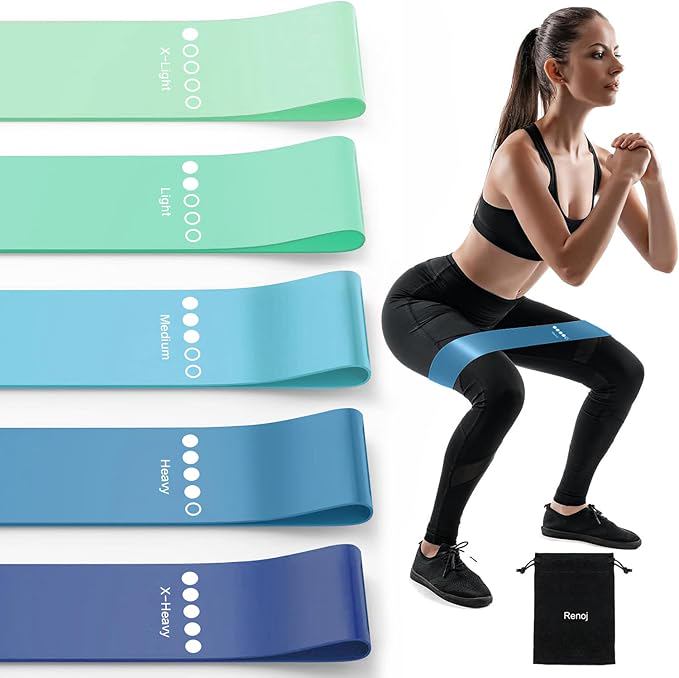
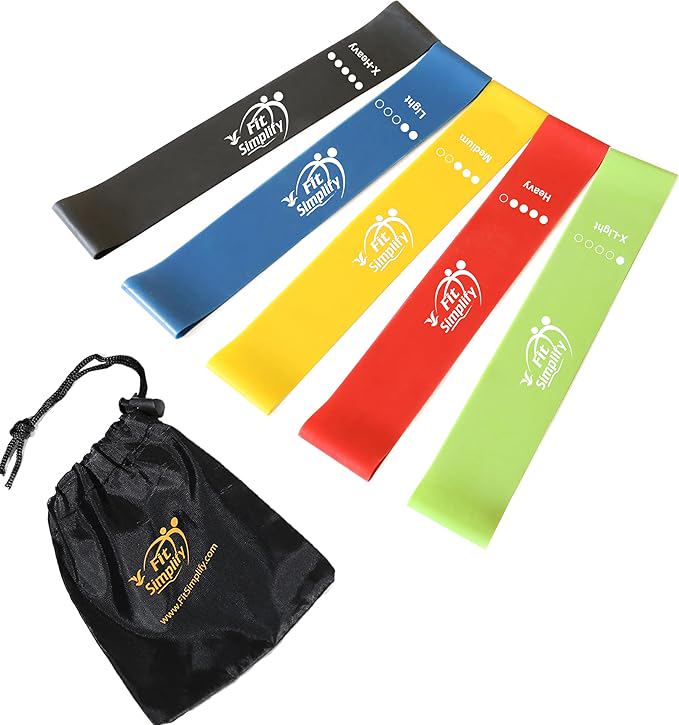
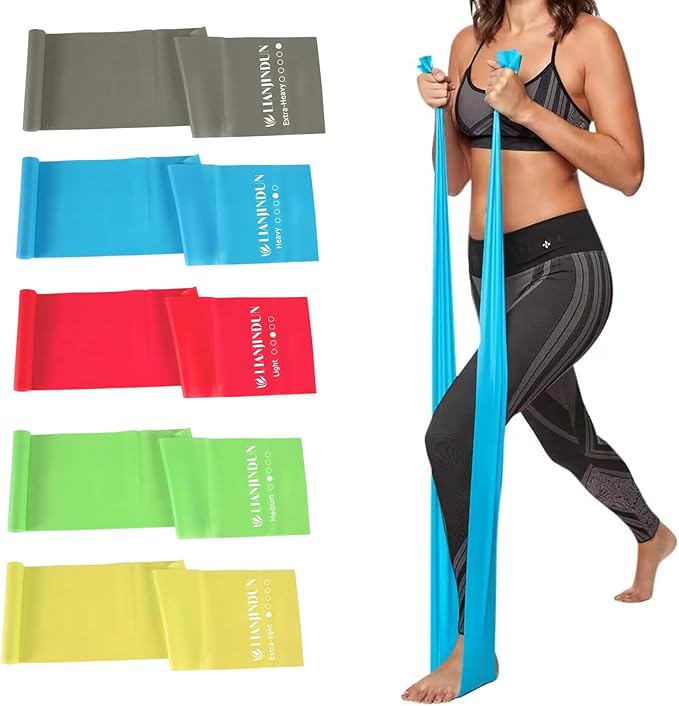
You don't need a gym membership. Body-weight exercises like squats, lunges, and push-ups count. So do free weights, resistance bands, and even heavy gardening. The key is progressive overload: gradually increasing the weight or resistance so your bones keep adapting. Aim for at least 30 minutes of weight-bearing activity most days, plus two sessions of resistance training per week.
2. Ensure adequate calcium and vitamin D intake
Calcium is the primary mineral in bone, and vitamin D is what allows your body to absorb it. During hormonal shifts, the body's ability to absorb calcium may decline, so meeting targets becomes even more important.
The National Institutes of Health recommends 1,200 mg of calcium daily for women over 50 (from food and supplements combined) and 600–800 IU of vitamin D for adults under 70, increasing to 800 IU after age 70. Many experts now suggest aiming for 1,000–2,000 IU of vitamin D daily for optimal bone health, especially if you have limited sun exposure.
Food sources of calcium include dairy products (yogurt, milk, cheese), fortified plant milks, canned sardines or salmon with bones, tofu made with calcium sulfate, and leafy greens like kale and collards. Vitamin D is harder to get from food alone—fatty fish, egg yolks, and fortified foods help, but many people need a supplement.
A quick caveat: more is not always better. Excess calcium from supplements (above 2,000 mg/day) may increase kidney stone risk. Talk with your healthcare provider about your individual needs.
3. Get enough protein and magnesium
Bone is roughly 50% protein by volume. Low protein intake is linked to lower bone density and higher fracture risk, especially in older adults. During menopause, when muscle mass tends to decline, adequate protein supports both muscle and bone.
The current RDA for protein is 0.8 grams per kilogram of body weight, but many eating patterns exceed that naturally. For bone health, experts often suggest 1.0–1.2 g/kg/day. That means a 150-pound (68 kg) woman might aim for 68–82 grams of protein daily—roughly the amount in a serving of Greek yogurt at breakfast, a chicken breast at lunch, and a salmon filet at dinner.
Magnesium also plays a supporting role: it helps convert vitamin D into its active form and is a structural component of bone. Good sources include nuts, seeds, legumes, whole grains, and dark leafy greens.
4. Limit bone robbers: excessive alcohol, smoking, and high sodium
Some everyday habits can accelerate bone loss. Smoking directly reduces bone density and impairs blood supply to bone tissue. If you smoke, quitting is one of the single most impactful steps you can take for skeletal health.
Alcohol in moderation (up to one drink per day) appears acceptable, but heavy drinking interferes with calcium absorption and disrupts the bone-remodeling cycle. High sodium intake increases calcium excretion through urine—so cutting back on processed foods and restaurant meals can help preserve bone minerals.
One more factor: caffeine in very high amounts (more than 400 mg per day, roughly four cups of coffee) may slightly increase calcium loss, especially if calcium intake is low. Staying hydrated with water and spreading calcium consumption throughout the day helps offset this.
5. Consider bone density screening and talk with your doctor
Many women don't realize they have low bone density until they break a bone. The National Osteoporosis Foundation recommends a DEXA scan (dual-energy X-ray absorptiometry) for women 65 and older, and earlier for those with risk factors like early menopause, family history of osteoporosis, or long-term use of certain medications (e.g., glucocorticoids).
If you're in perimenopause or early menopause, ask your healthcare provider whether a baseline scan makes sense for you. Bone density results are reported as a T-score: -1.0 or above is normal, -1.0 to -2.5 indicates osteopenia (low bone mass), and -2.5 or below indicates osteoporosis. Knowing where you stand lets you tailor your exercise, nutrition, and—if needed—medication strategy.
Bone health during hormonal shifts isn't about panic—it's about proactive, consistent care. Small daily choices (a walk, a piece of salmon, a few minutes of strength work) compound into meaningful protection. Talk with your doctor about a plan that fits your health history, and remember: it's never too late to strengthen your skeleton.