
Estrogen does more than regulate reproduction—it acts as a natural guardian of your skeleton. When levels drop during perimenopause and menopause, bone resorption accelerates. Many women unintentionally speed this loss through everyday habits. Recognizing these common missteps is the first step toward protecting your bone density.
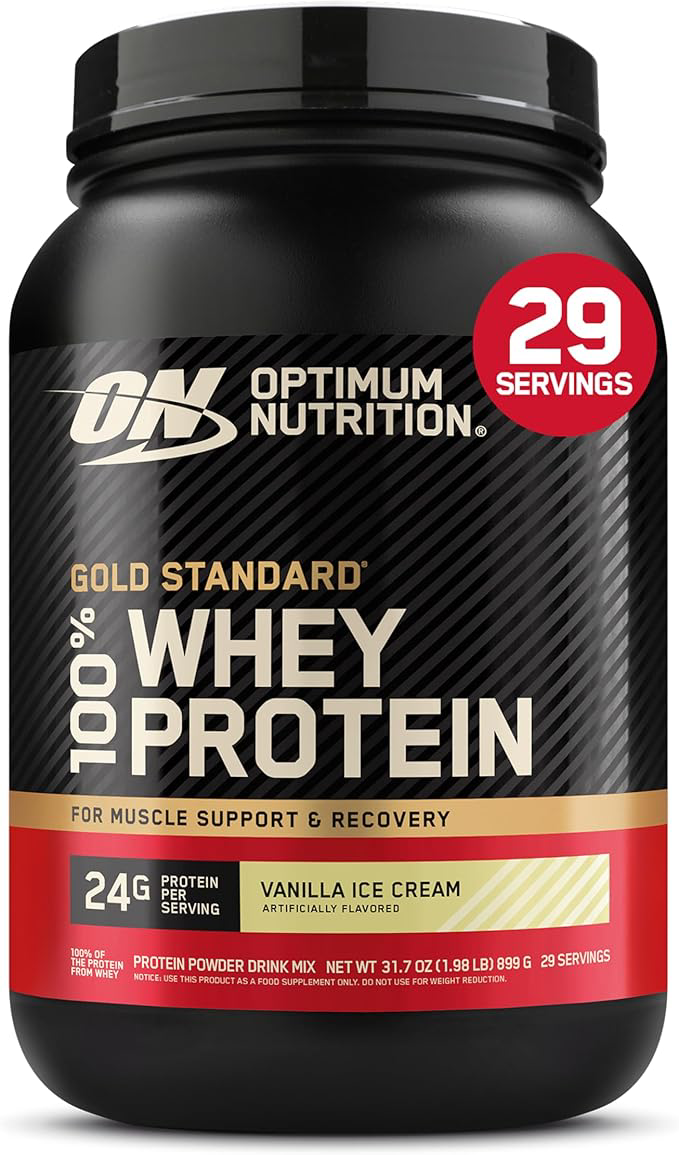
1. Skimping on protein at every meal
Bone is roughly 50 percent protein by volume. Without enough dietary protein, your body struggles to maintain the collagen matrix that gives bones flexibility and strength. When estrogen declines, the turnover rate of bone tissue increases; protein requirements rise to keep up.
A woman in her 50s needs about 1.0 to 1.2 grams of protein per kilogram of body weight daily—more than the standard recommendation. Yet many women eat the bulk of their protein at dinner, leaving breakfast and lunch protein-poor.
What to do: Aim to include a serving of protein—about 20 to 30 grams—at each meal. Eggs, Greek yogurt, lentils, tofu, poultry, and fish all count. Spreading intake across the day helps maintain stable amino acid levels for bone repair.
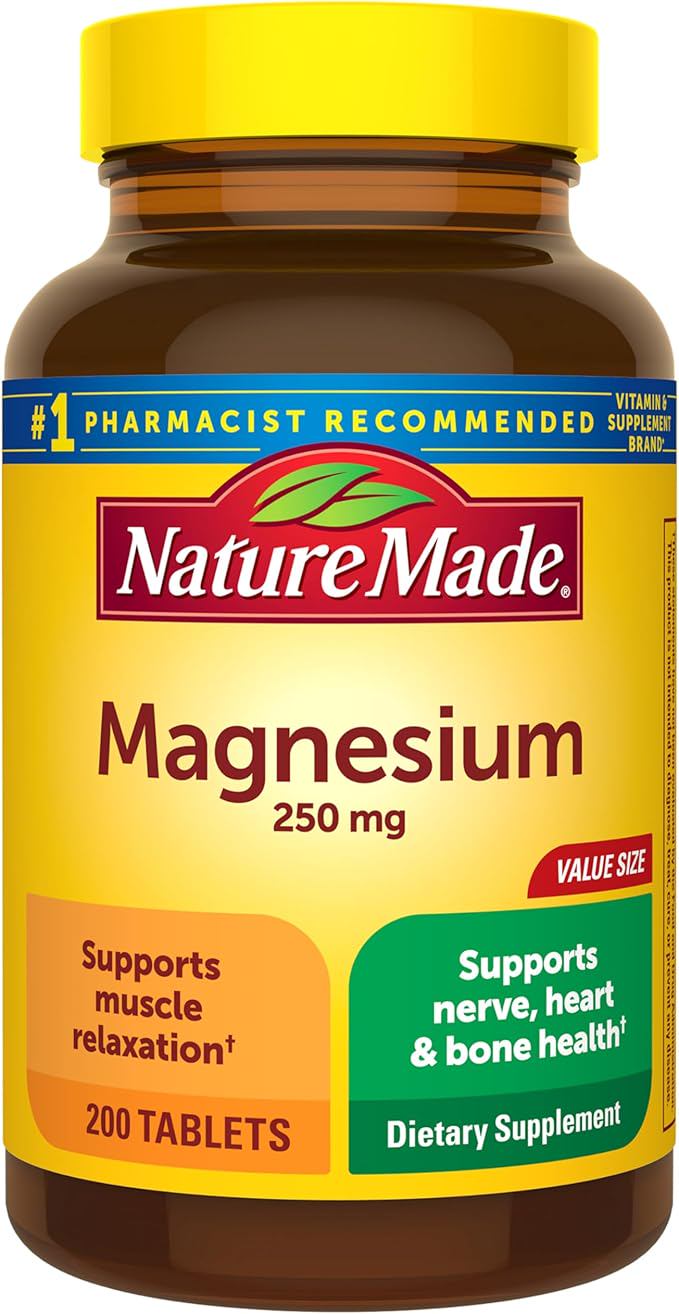
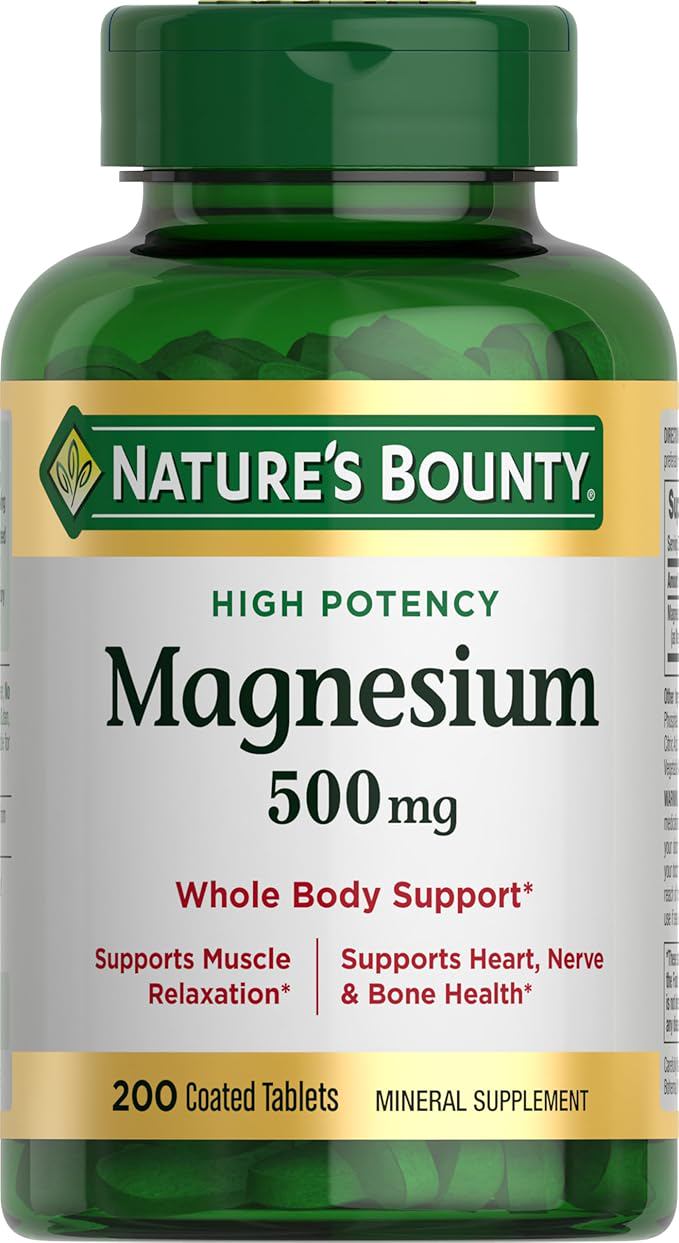
2. Relying on calcium supplements without checking vitamin D and magnesium
Calcium gets most of the attention in bone health, but it cannot do its job alone. Vitamin D is needed for calcium absorption in the gut, and magnesium helps convert vitamin D into its active form. Without adequate levels of both, supplemental calcium may end up in soft tissues or pass right through you.
Many women start a calcium supplement after a bone density scan but never have their vitamin D or magnesium status tested. This one-nutrient approach can give a false sense of security.
A better approach: Before adding any supplement, talk with your healthcare provider about checking serum vitamin D and magnesium levels. Food sources of vitamin D include fatty fish, egg yolks, and fortified dairy; magnesium is abundant in nuts, seeds, leafy greens, and whole grains.
3. Cutting out all fat in the name of heart health
During menopause, many women adopt a very low-fat diet to manage weight or cholesterol. While reducing saturated fat can be beneficial, eliminating dietary fat altogether is a mistake for bone health. Fat-soluble vitamins—A, D, E, and K—require dietary fat for absorption. Vitamin K2, in particular, plays a direct role in directing calcium into bone rather than into arteries.
Sources of healthy fat—avocado, olive oil, nuts, seeds, and fatty fish—support hormone production as well. Your body continues to produce small amounts of estrogen from adrenal and fat tissue after menopause; cutting fat too sharply can hamper that conversion.
The middle ground: Replace ultra-processed fats and trans fats with whole-food sources of unsaturated fats. A drizzle of olive oil on roasted vegetables or a handful of almonds with a piece of fruit can make a real difference for nutrient uptake.
What to prioritize instead
If you are in perimenopause or menopause, bone health hinges on more than calcium. A balanced pattern that includes adequate protein, sufficient vitamin D and magnesium, and healthy fats creates the foundation your skeleton needs. Weight-bearing exercise—walking, jogging, dancing, or resistance training—adds mechanical load that signals bone-forming cells to stay active.
Small adjustments to daily habits can meaningfully slow the pace of bone loss. Simple swaps—like adding a hard-boiled egg to breakfast, choosing a handful of walnuts as a snack, or pairing your supplement with a meal that contains fat—can shift the trajectory over time.